








The UK's electric vehicle charging network must grow far faster outside London if the country is to meet its net zero targets, according to new insights from charging data platform Zapmap.
Speaking to GB News, the firm's co-founder and chief operating officer Melanie Shufflebotham said while the UK now has around 120,000 public charging points, the system is complex and unevenly distributed, meaning rapid expansion is still urgently needed.
Zapmap, which helps EV drivers locate and pay for charging, also provides aggregated infrastructure data to Government departments to track how the network is developing.
Ms Shufflebotham said the company's data plays an important role in shaping the national picture of the charging market.
TRENDING
Stories
Videos
Your Say
"The map has two different purposes," she explained. "One is helping drivers find and pay for charging when they're out and about, so they can get a great charge. The other side is a database of lots of data around locations, pricing and utilisation."
"We provide an aggregated database to the Government so they can look at the shape, scale and growth of the charging infrastructure. It's pretty important because public charging is not all created equal."
Recent changes to the way charging points are counted have also highlighted how the network is evolving, Ms Shuttlebotham stated.
Historically, the UK measured physical charging devices, but the system has now moved to counting Electric Vehicle Supply Equipment, which better reflects how many vehicles can charge simultaneously.
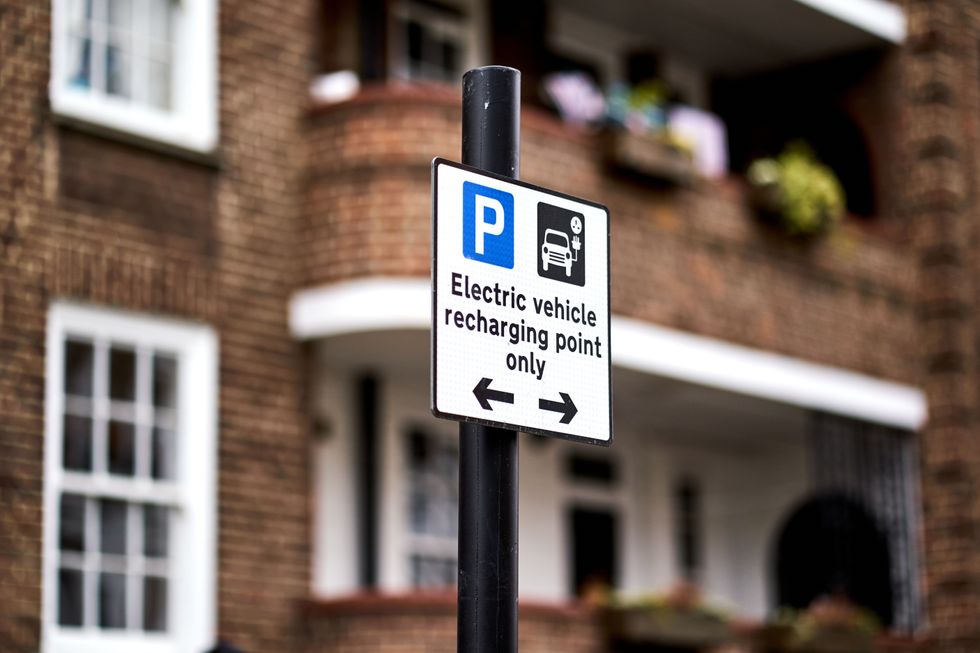
Electric vehicle campaigners have called for an end of the postcode lottery to find charging points
| PAMs Shufflebotham said the change was designed to improve accuracy rather than inflate figures.
"Historically, we counted devices - the physical unit," she said. "But in some cases, one device actually allowed two cars to charge at the same time."
"Now we're counting EV chargers, which better reflects how many cars can charge simultaneously. It's not perfect, but it's a fairer way to measure the network."
The shift also aligns UK reporting with European standards.
Despite the headline figure of 120,000 chargers, Ms Shufflebotham stressed the network includes a wide spectrum of charging types designed for different situations.
At one end are lamppost chargers, which are typically used for overnight charging and can take between six and twelve hours.
At the other end are high-powered "en route" chargers designed for quick top-ups during longer journeys.
LATEST DEVELOPMENTS:
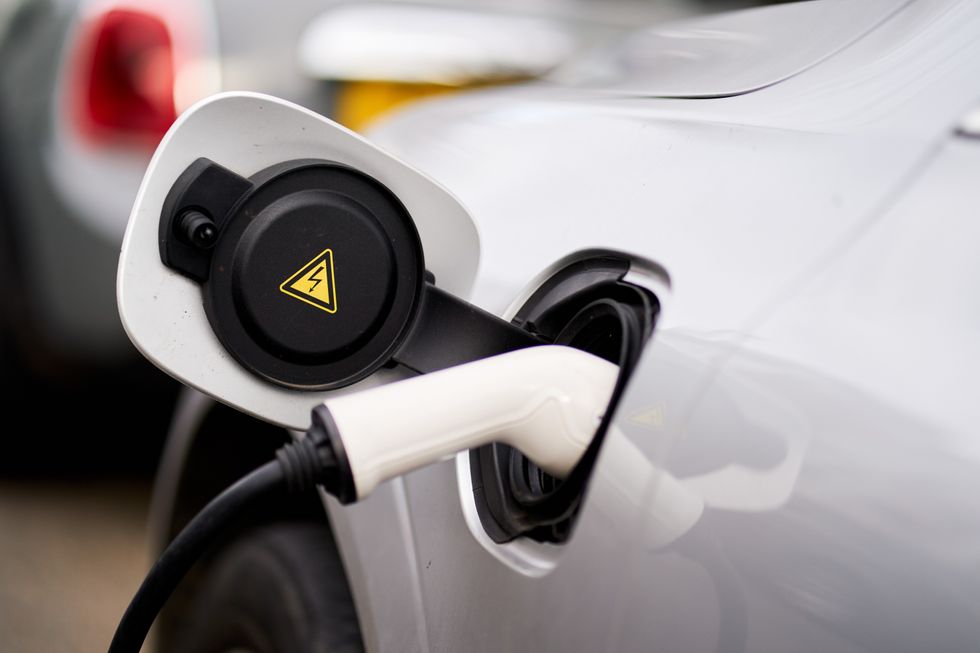 There are more than 120,000 electric car chargers across the UK | PA
"These high-powered chargers, ranging between 150 and 300 kilowatts, can charge the average EV in about 20 to 30 minutes," she said.
In between are destination chargers, commonly found in locations such as hotels, shopping centres and tourist attractions.
"You charge when you park rather than parking to charge," she explained.
"For example, you go somewhere for a few hours, plug in, and by the time you leave, your car is ready."
One major issue facing EV drivers who rely on public infrastructure is the cost difference between charging at home and charging on the public network.
Drivers charging at home pay five per cent VAT, while those using public chargers pay 20 per cent. Ms Shufflebotham described this as an "equity issue". "If you have the benefit of charging at home, you pay five per cent VAT," she said.
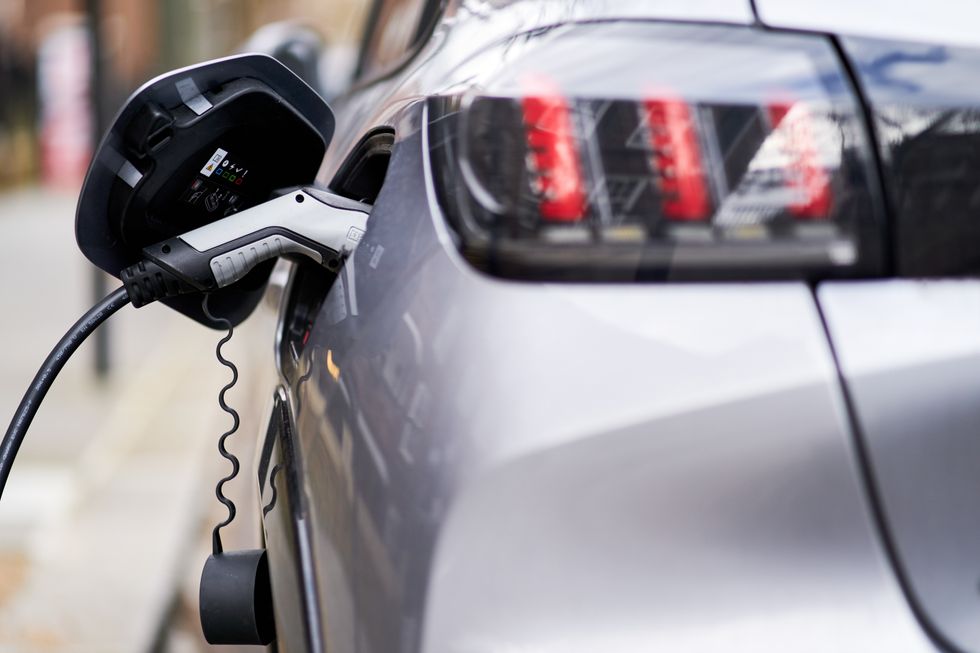 On street and home chargers remain the cheapest options for drivers with electric vehicles | PA
"But when you're on the public network, you pay 20 per cent. If you don't have the benefit of charging at home, you're being penalised twice."
Campaigners have called for the rate to be cut to match domestic electricity, arguing it would make EV ownership more accessible to drivers without driveways.
"The benefit would be bringing down the cost of public charging, which ultimately benefits everyone," she said.
One of the biggest challenges remains the regional imbalance in charging infrastructure, with London and the South East far ahead of many parts of the country.
But Ms Shufflebotham believed London should be seen as a model rather than a problem.
"The vast majority of London's chargers are on-street chargers," she said.
"They've been rolled out because people there are less likely to have driveways. You shouldn't see London as a negative - you should see it as showing the way."