







Labour has faced growing calls to bring back permanent hard shoulders on smart motorways after a van driver was handed a suspended prison sentence for causing the death of a passenger in a broken-down vehicle.
The case has reignited fierce debate over whether so-called "all lane running" motorways are safe, with campaigners saying technology is failing to protect stranded motorists.
Barry O'Sullivan, from Wixams near Bedford, was sentenced at Reading Crown Court after being found guilty of causing death by careless driving. He received a six-month prison sentence, suspended for 12 months.
The court heard the crash happened in March 2022 on the M4 between junctions 11 and 12 in Berkshire. Mr O'Sullivan's van hit a stationary car, which had broken down in a live traffic lane.
Passenger Pulvinder Dhillon was killed in the collision. The incident has become another focal point in the long-running dispute over smart motorways, which remove the hard shoulder and instead rely on electronic systems to manage traffic and warn of hazards.
Claire Mercer, a leading campaigner whose husband Jason was killed on a smart motorway stretch of the M1 near Sheffield in 2019, said the latest tragedy shows the system is not safe.
She said Ms Dhillon's death "shows that the technology cannot do the job of a tangible, always accessible hard shoulder".
She added: "Being so dependent on technology in an already dangerous environment, it's just making it much, much more dangerous. We're being very laissez-faire to think: 'Oh, it'll be all right'."
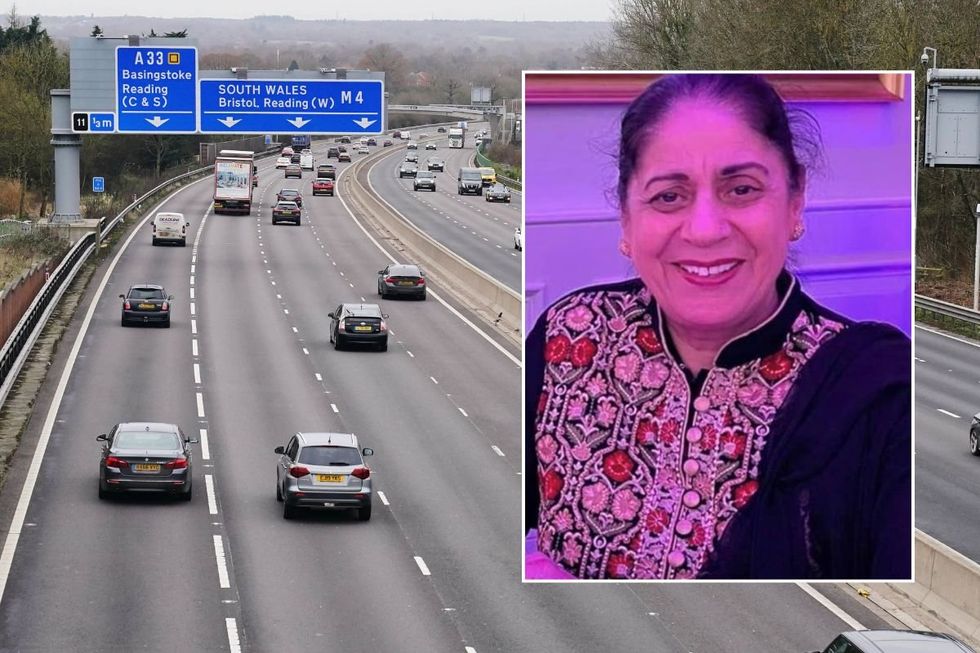
Pulvinder Dhillon was killed after smart motorway technology 'failed'
| PA/THAMES VALLEY POLICESmart motorways use overhead gantries and radar systems to detect stopped vehicles and display red X signs to close lanes. Emergency refuge areas are also placed at intervals for broken-down vehicles.
But in this case, the system was found to have failed. During the trial, the jury heard that the warning system did not activate when the vehicle broke down.
Evidence showed that alerts from the radar detection system had not been transmitted on that section of the motorway for five days before the crash.
The failure has raised serious questions about whether drivers can rely on the technology that replaces the hard shoulder.
LATEST DEVELOPMENTS:
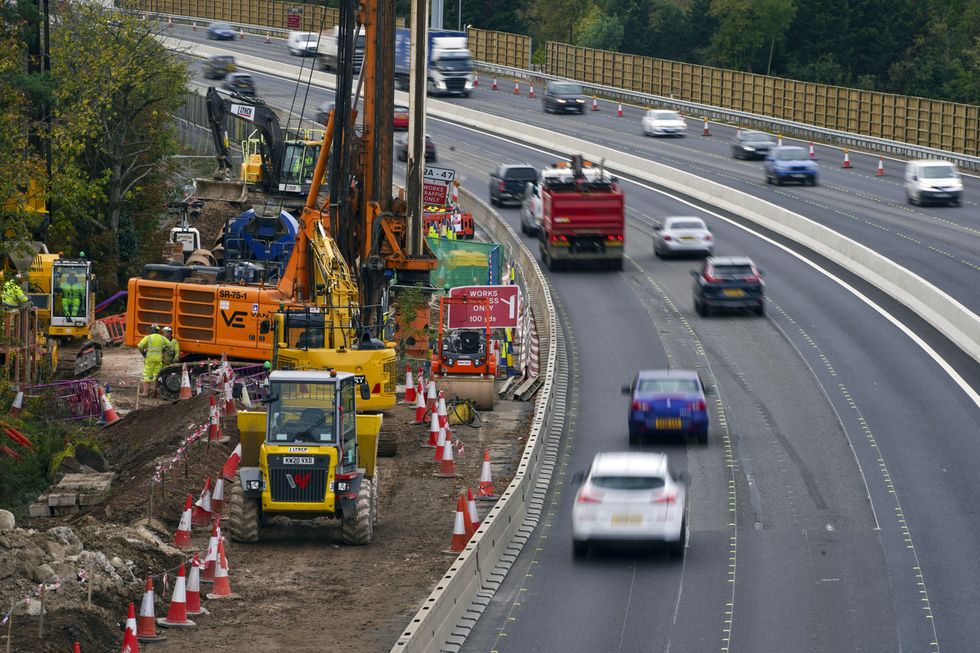 Many were critical of smart motorways as they could put drivers in dangerous situations | PA
AA president Edmund King warned that the case highlighted deep flaws in the system.
"Once broken down in a live lane, the system is meant to use technology to alert other drivers about the stopped vehicle," he said.
He added: "In this case, and on many other occasions, the technology just was not working."
Mr King said drivers must still take responsibility, but warned that failures turn smart motorways into dangerous roads.
"This was a crash waiting to happen," he said, calling for the Government to restore hard shoulders across the network and end what he described as a "failed experiment".
RAC head of policy Simon Williams also raised concerns, stating that the technology on a smart motorway is vital to the safety of everyone using it. "If any of it fails, then lives are put at risk."
Smart motorways were introduced to increase capacity without the cost of widening roads. However, they have faced ongoing criticism over safety since their rollout.
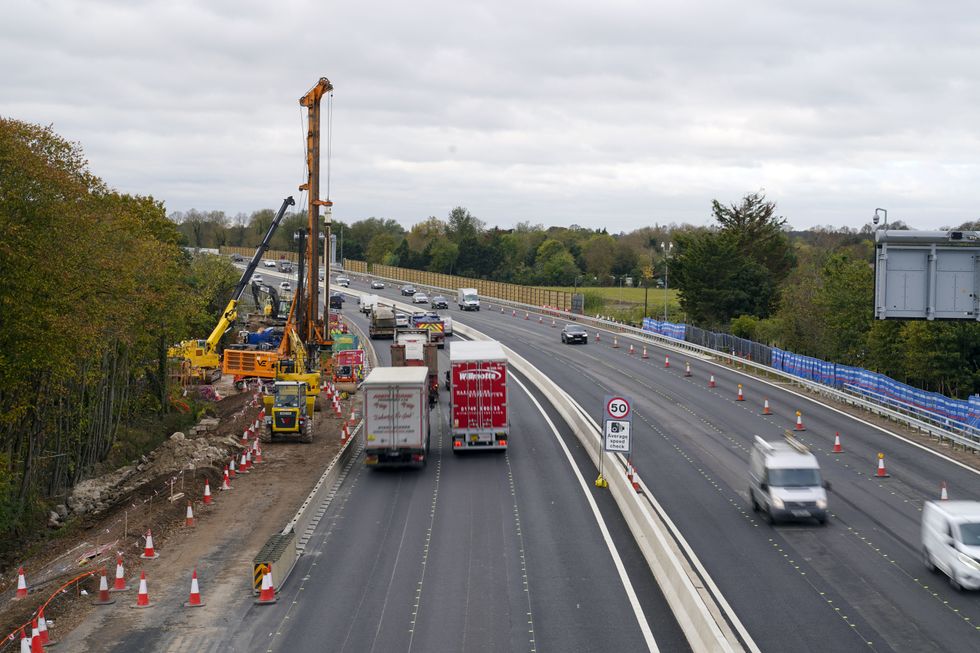 The Government announced all new smart motorways would be scrapped in 2023 | PA
Former prime minister Rishi Sunak paused all new smart motorway projects in April 2023, citing cost concerns and public unease over safety. Despite this, existing schemes remain in place, and hard shoulders have not been reinstated.
National Highways, which manages England's motorways, said: "Any death on our roads is one too many, and our thoughts are with the family and friends of Pulvinder Dhillon following this tragic incident. While nothing can ever compensate for their loss, the person responsible has been found guilty of driving carelessly."
Earlier this year, National Highways also revealed that several smart motorway schemes were delivering poor value for money, with some showing worsening safety performance in official assessments.
For campaigners, the latest case is further proof that relying on cameras, sensors and signals is not enough to replace a hard shoulder where drivers can stop safely in an emergency.