







Rachel Reeves is under growing pressure after new plans to tax hybrid drivers were pushed ahead, despite official evidence showing they rarely use electric power.
Under Labour's proposals announced at the Autumn Budget, plug-in hybrid motorists will be charged a new pay-per-mile tax from April 2028, as part of a wider shake-up of car taxes.
As part of the new policy, drivers will pay 1.5p per mile, even though most of their journeys are not powered by electricity.
But the move has sparked anger, with critics warning drivers are being hit twice, once through fuel duty and again through the new mileage charge.
TRENDING
Stories
Videos
Your Say
The controversy deepened after the Government quietly admitted it had overestimated how often hybrids run on battery power.
In a Department for Transport report, officials explained: "Evidence indicates that PHEVs complete a smaller proportion of their journeys in electric mode than previously assumed."
Despite that admission, ministers are still pressing ahead with the new tax, known as Electric Vehicle Excise Duty.
The scheme sits at the heart of Ms Reeves's plans to overhaul motoring taxes and plug a looming hole in the public finances as fuel duty revenues fall.
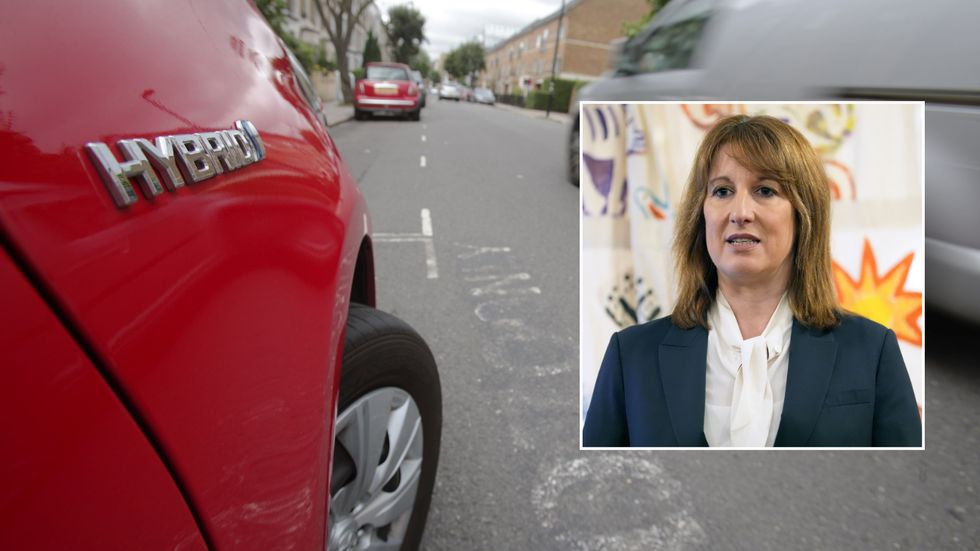
Under the new tax plan, hybrid drivers will have to pay fuel duty and the new eVED
| PAIn its own consultation, HM Treasury made clear that the aim is to make all drivers pay more based on how far they travel.
The document stated: "All drivers should contribute to account for the wear and tear on our roads."
It added that the current system is unfair because electric drivers do not pay fuel duty, warning: "If we do nothing, then by 2030 around one in five car drivers are expected to pay no fuel duty at all."
Under the plans, fully electric drivers will pay 3p per mile, while hybrid drivers will pay half that rate. But crucially, hybrid motorists will still pay fuel duty when using petrol, something critics warned undermines the fairness of the argument.
LATEST DEVELOPMENTS:
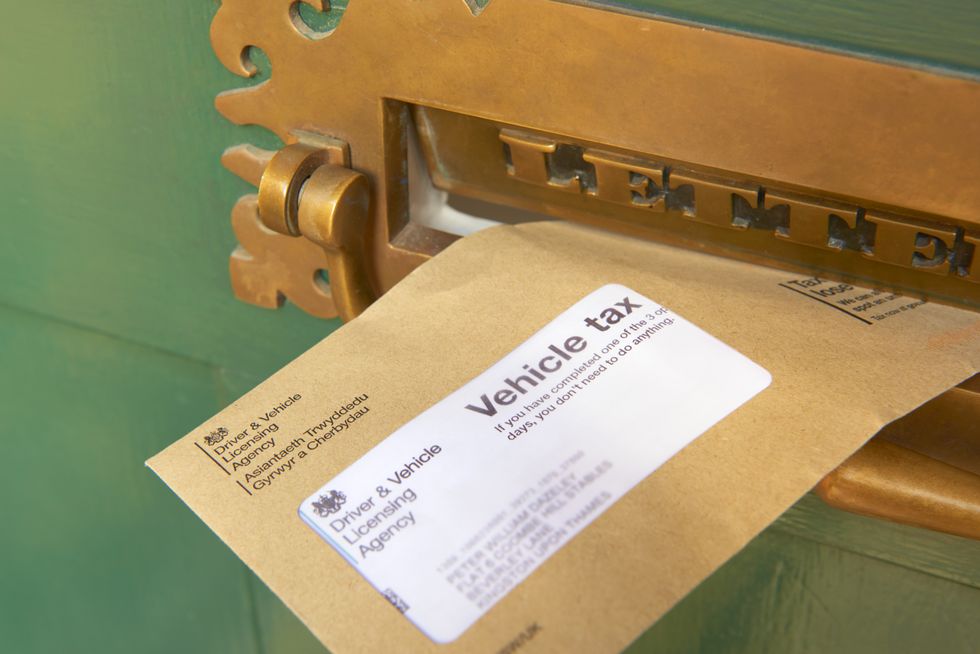
The new pay-per-mile taxes are due to come in 2028
| GETTYOne driver warned that the policy "feels like double taxation".
"While there is logic in pure EVs having a charge per mile, I struggle with hybrids such as my Land Rover Defender P400 paying a charge on total mileage," he told The Telegraph.
He shared: "It has a maximum electric range of 26 miles."
"I already pay full road tax of £620 a year and fuel duty on the vast majority of my mileage, so the Government's argument makes little sense and feels like double taxation."
Plug-in hybrids typically have an electric range of between 15 and 60 miles, far below the 300 miles or more offered by fully electric cars. As a result, many drivers rarely charge them or rely on electric functions.
The Government has also ruled out tracking how much of each journey is done using petrol or electricity, arguing it would be too complicated.
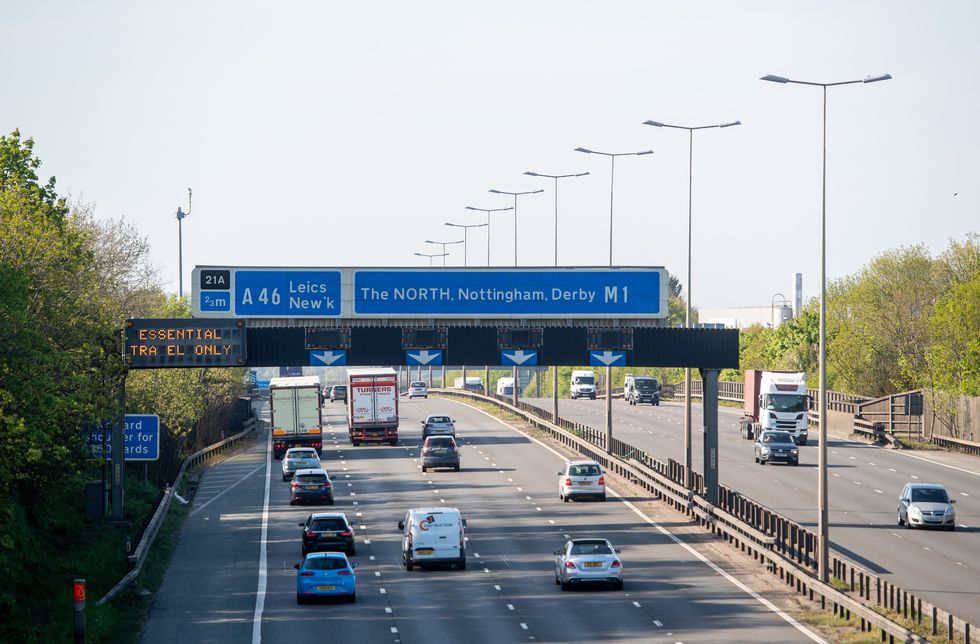 Pay-per-mile road taxes were seen as a fairer measure than emissions-based levy | PA
Instead, ministers explained how a flat-reduced rate for hybrids would be the best compromise.
The Treasury insisted this approach balances fairness with simplicity, stating it will avoid "a whole new tax system" and "protect motorists' privacy".
Drivers will be required to estimate their annual mileage, pay upfront or monthly, and then reconcile the figure at the end of the year. Mileage will be checked through MOT tests and official records.
The Government argued the policy is necessary to protect tax revenues, with fuel duty expected to fall sharply as more drivers switch to electric vehicles.
According to Treasury figures, fuel duty currently raises around £24billion a year but could drop to roughly £12billion by the 2030s.
The consultation warned that losing this income would be "fiscally irresponsible" and that replacement taxes are needed to avoid spending cuts or rises elsewhere.