










Petrol car owners across the UK are paying four times more every month compared to electric vehicle drivers as the Iran war continues to take a toll on finances.
New data shows that petrol cars are being hammered by the energy crisis more than electric vehicle owners as soaring oil prices impact fuel prices at the pumps.
Since the outbreak of conflict in the Middle East at the end of February, the cost of running a petrol car is around 17p per mile.
In comparison, electric vehicle drivers can spend as little as 1p per mile when charging at home using an EV-friendly tariff.
Since the outbreak of war, the price of a litre of unleaded fuel has jumped by 26.6p, while diesel drivers are paying a staggering 42.6p more.
While petrol prices have recently seen a fresh peak since February 28 at 159.43p, the cost of diesel peaked in mid-April at 191.54p, less than nine pence less than the UK all-time peak.
On average, UK drivers are now paying £109 to fill up a petrol car, compared to £59 to charge an electric vehicle, according to fresh data from Transport and Environment.
Tim Dexter, vehicles policy manager at T&E, said: "These figures expose a simple truth: electric vehicles are not just cleaner, they are cheaper to run and far less exposed to global energy shocks.
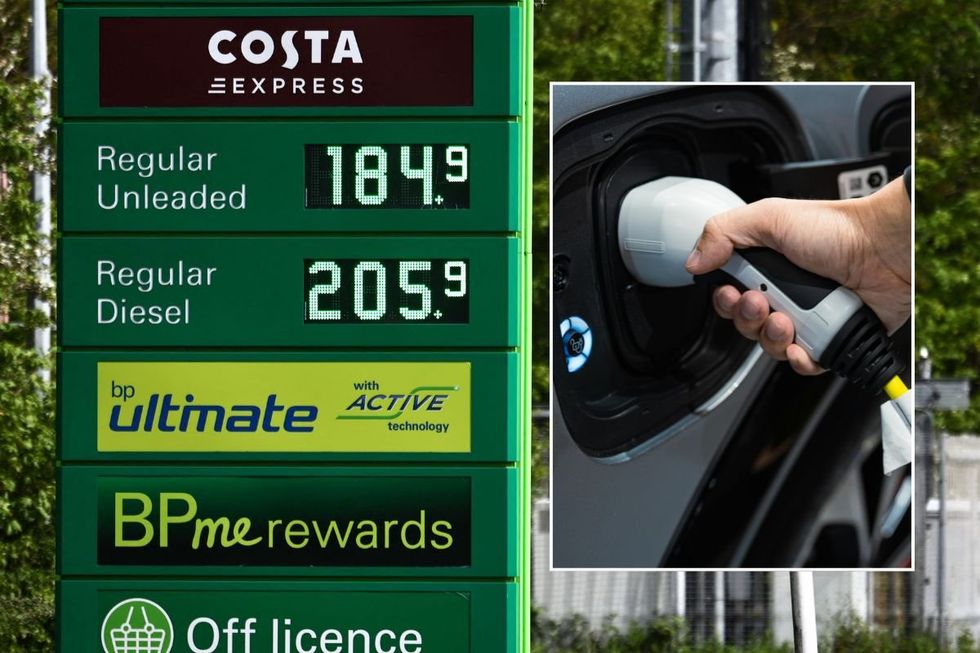
Electric car owners can save around £50 a month compared to petrol and diesel drivers
|GETTY
"While petrol drivers remain at the mercy of volatile oil markets, EV drivers benefit from greater stability and lower costs.
"Accelerating the transition is essential for the UK's economic resilience and escaping the chokehold that hostile regimes have on UK drivers."
Diesel drivers have been battered by the energy crisis even more than other drivers, given the enormous jump in costs.
In early April, diesel car owners saw running costs reach a staggering 21p per mile, a huge jump compared to last year's average of 16p per mile.
LATEST DEVELOPMENTS
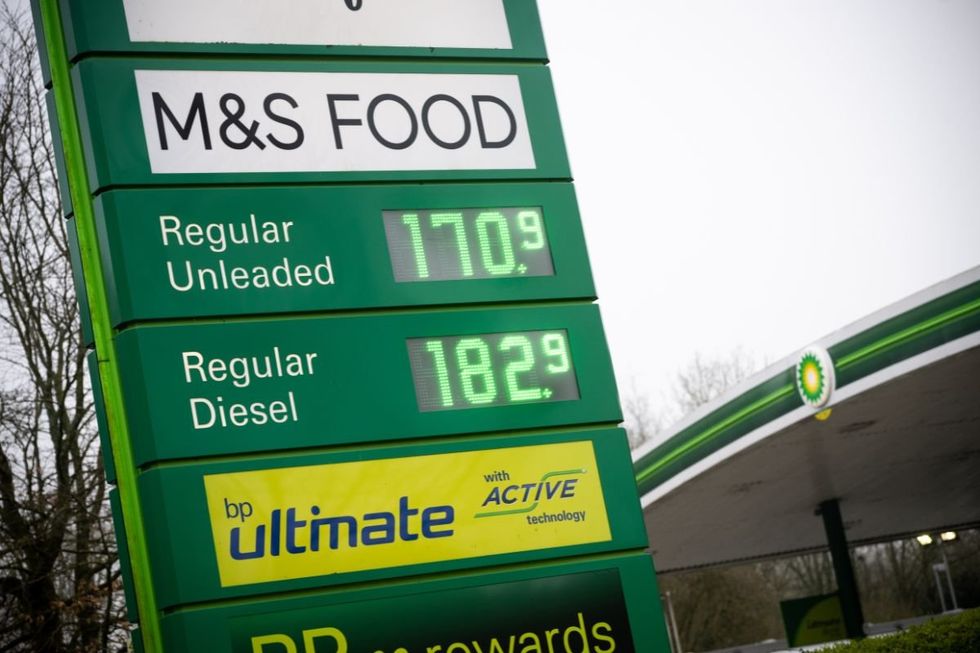
Diesel prices peaked on April 15, while petrol costs continue to rise across the UK
| GETTYWhile the RAC predicts that diesel prices will continue to fall in the near future, drivers are still battling against huge costs whenever they fill up.
Even with average prices falling by 0.08p per day, drivers are still paying 30 per cent more today than they were at the start of the Iran war.
Experts are now calling on the Government to strengthen demand for electric vehicles to enable significant savings for impacted drivers.
It comes despite automakers and some industry experts bringing forward a review of the Zero Emission Vehicle (ZEV) mandate amid fears that uptake is not as strong as first anticipated.
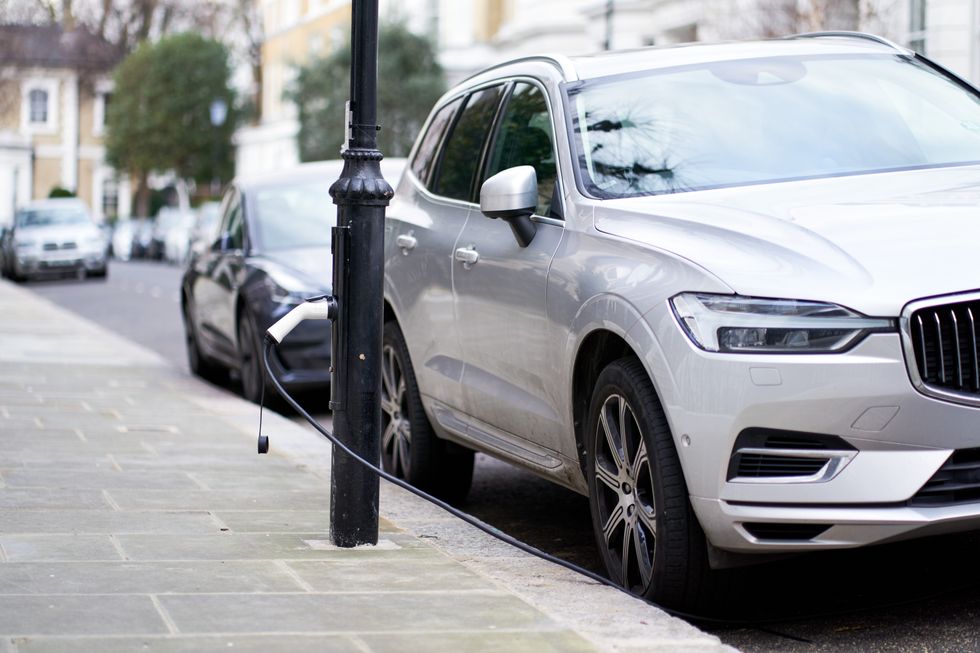
Experts have called on the Government to incentivise the sale of new electric cars at a time when interest is at an 'all-time high'
| GETTYThe ZEV mandate dictates that manufacturers must have at least 33 per cent of sales come from electric cars by the end of the year, before reaching 80 per cent at the end of the decade.
This will act as a crucial measure ahead of the ban on the sale of new petrol and diesel vehicles in 2030 and the 2035 deadline for only zero emission vehicles to be on sale.
Mr Dexter stressed the importance of electric vehicles to driver savings, especially at a time when interest in cleaner technology is at an "all-time high".
"The ZEV mandate must remain stable, and the Government should focus on supporting the most vulnerable households and businesses to switch and escape petrol price spikes for good," he added.