








Sadiq Khan's proposed car ban for Oxford Street has been met with heavy criticism from experts who warned the move would increase congestion.
The Chartered Institute of Logistics and Transport has slammed the proposed pedestrianisation of Oxford Street, which represents one of the most significant changes to London's transport and public realm in a generation.
Sadiq Khan's proposed car ban for Oxford Street has been met with heavy criticism from thousands of drivers who warned the move would increase congestion "rather than reduce it".
The Chartered Institute of Logistics and Transport has slammed the proposed pedestrianisation of Oxford Street, which represents one of the most significant changes to London's transport and public realm in a generation.
TRENDING
Stories
Videos
Your Say
The organisation stated that while the plans set out the practical considerations required to ensure the scheme succeeds operationally as well as aesthetically, there are still concerns over the move.
CILT stated that it recognises the clear benefits of pedestrianisation but also emphasised "that these benefits will only be realised if the supporting transport and logistics systems are carefully planned and managed".
A key theme of the CILT response was also issues with accessibility due to buses being diverted along other routes. The organisation expressed concern over the impact this would have, "particularly for disabled people, older users and those carrying shopping".
"With relatively long walking distances to Underground and Elizabeth line stations, the bus remains a lifeline," the group warned.
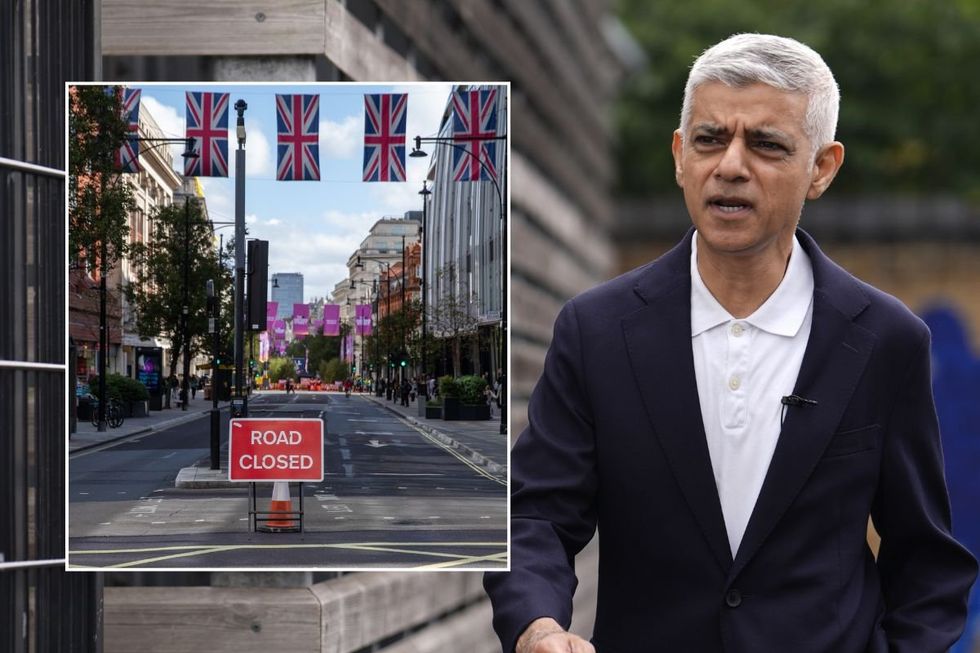
Mayor Sadiq Khan hoped to pedestrianise Oxford Street, blocking drivers from entering the area
| GETTY/PAPlans to pedestrianise the busy shopping district were unveiled last year, with a consultation on the changes proving favourable among Londoners.
Sir Khan said: "A reimagined Oxford Street can bring the world to London and showcase the best of London to the world, and I'm pleased that we're now moving ahead with our exciting plans to regenerate this iconic area, backed by the vast majority of Londoners and businesses.
"These new proposals map out the potential next steps with Transport for London to make our vision of a thriving, greener Oxford Street a reality."
A subsequent consultation was also launched between November 2025 and January 2026, which proposed that the section of Oxford Street between Orchard Street and Great Portland Street be closed to private motorised vehicles, buses, taxis and private hire vehicles, cycles, scooters, and pedicabs.
LATEST DEVELOPMENTS
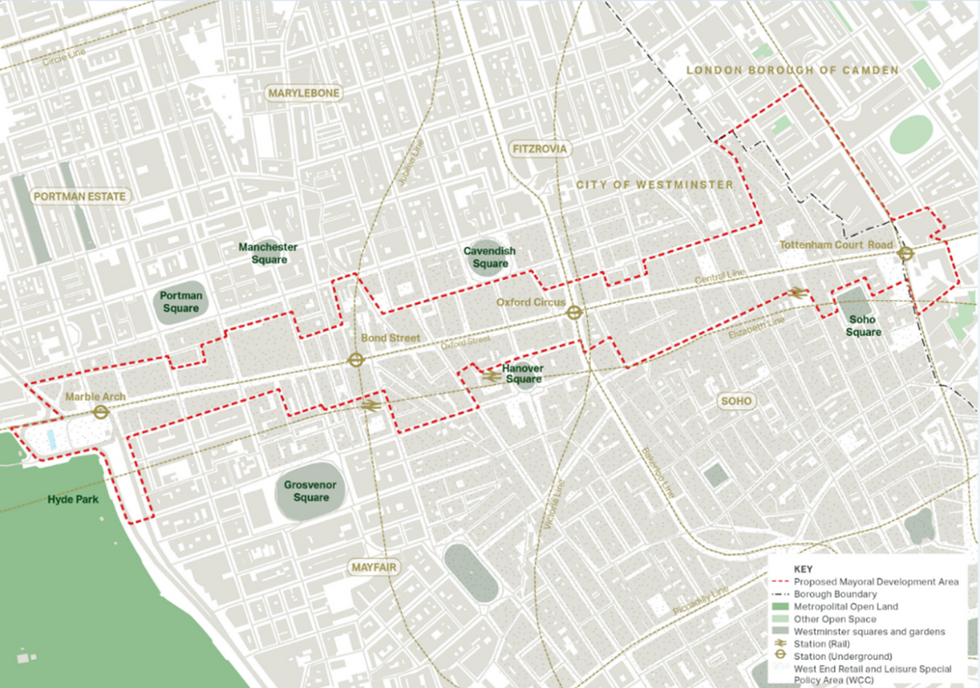 Map of the proposed pedestrianised route along Oxford Street | TFL
Under the proposals, buses that currently travel along Oxford Street would be rerouted along Wigmore Street and Henrietta Place, while two new pairs of bus stops with shelters would be installed for passengers.
The organisation urged TfL to carefully consider impacts from previous bus diversions in the West End, where "reduced accessibility and unexpected shifts to taxis or private hire vehicles have sometimes increased congestion rather than reduced it".
"CILT supports consolidation and zero emission freight, but stresses that access windows must reflect real operational needs to avoid displacement onto unsuitable surrounding streets," the group added.
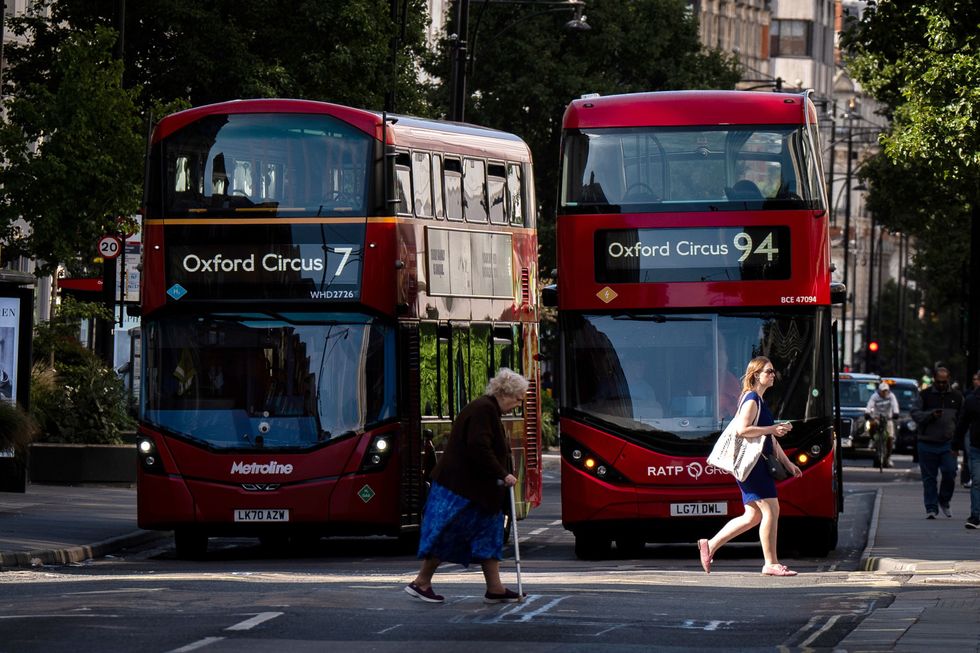 The consultation is looking into alternative routes for buses heading towards Oxford Street | PA
CILT stated: "Re-routing HGVs and buses onto constrained streets can create safety, congestion and environmental problems for those who live and work nearby.
"CILT has encouraged a phased, adaptive approach, with pilots, monitoring and the flexibility to adjust the scheme as impacts become clearer."
The new consultation, having closed, is currently under review by TfL, with the transport authority set to deliver the result imminently.