








Drivers have been ignored by Chancellor Rachel Reeves in the Spring Statement, despite calls from experts to help petrol and diesel car owners amid tensions in the Middle East.
Speaking during the Spring Statement this afternoon, the Chancellor highlighted major cuts to interest rates and inflation, while putting more money in the pockets of families across the UK.
She noted the extension of the fuel duty freeze last year was crucial to help drivers who were struggling with expensive petrol and diesel prices.
The Autumn Budget stated that the Government would extend the temporary 5p per litre fuel duty cut for a further five months.
TRENDING
Stories
Videos
Your Say
The cut, which was introduced after the Russian invasion of Ukraine, will be reversed by 1p in September, 2p in December and a further 2p in March 2027.
Chancellor Reeves also confirmed that the planned inflation-linked increase in the rate of fuel duty would not take place in 2026-2027.
There had been calls for the Government to introduce further measures to mitigate the impact of tensions in the Middle East and the effect it could have on UK drivers.
Despite the previously announced changes to fuel duty, the Chancellor failed to address the recent concerns around price rises in the Spring Statement.
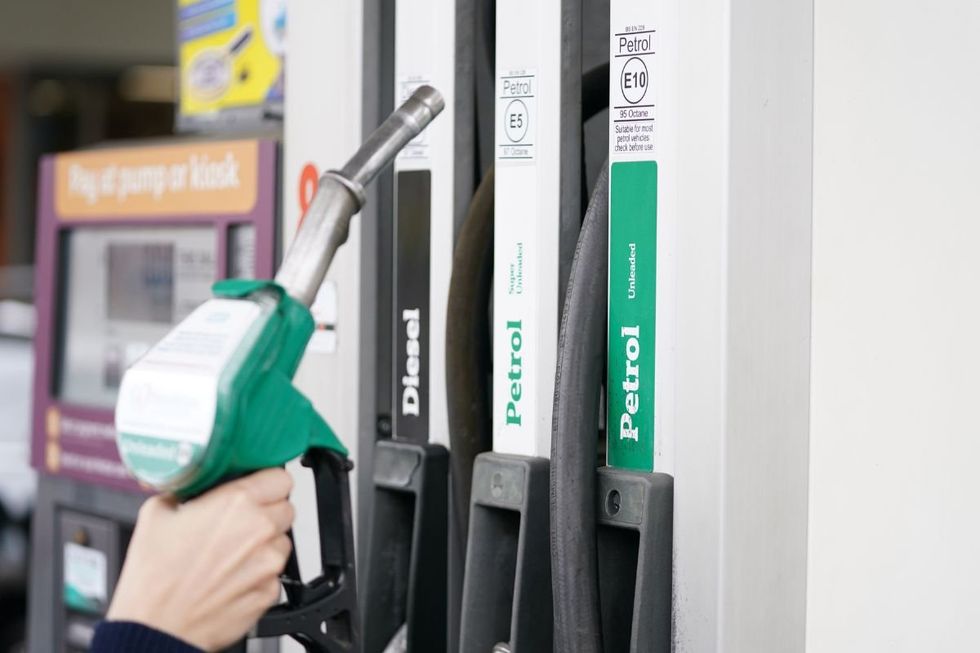
While the Chancellor made mention to fuel duty in the Spring Statement, no changes were announced
|PA
Prices have already risen slightly at some petrol stations, while some drivers have reported queues at filling stations across the country.
Gordon Balmer, executive director of the Petrol Retailers Association, spoke prior to the Spring Statement, calling on the Chancellor to act to protect drivers.
He said: "The conflict in the Middle East has increased the wholesale cost of petrol and diesel, which will mean pump prices will have to go up.
"Rising fuel prices hurt the economy in the form of higher inflation, impacting already hard-pressed household budgets.
LATEST DEVELOPMENTS
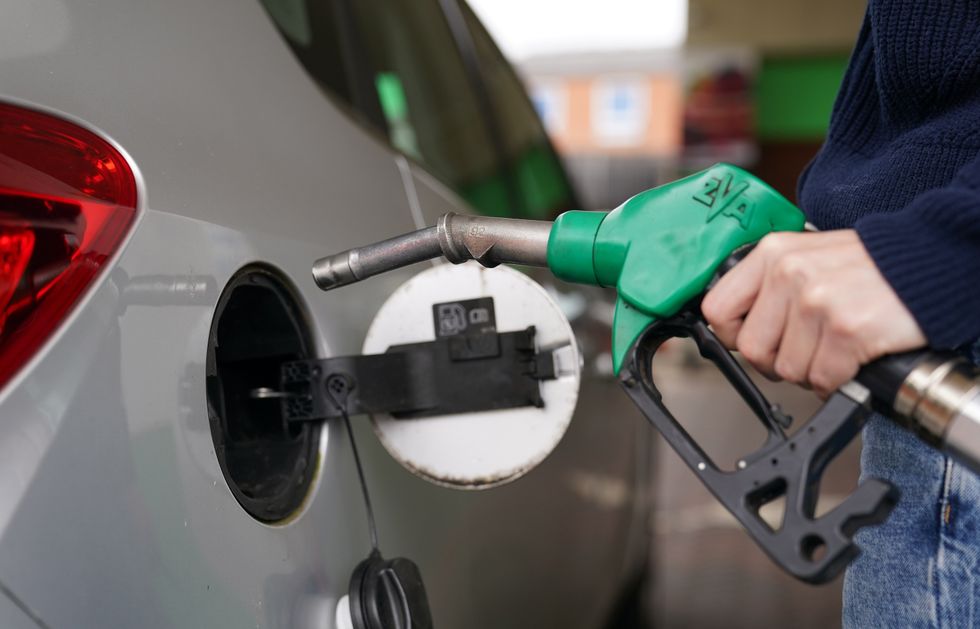 The 5p fuel duty cut was introduced in the aftermath of Russia's invasion of Ukraine in 2022 | PA
"To help motorists and businesses, I am today writing to the Chancellor urging her to abandon the planned fuel duty increases."
Global oil prices have risen in response to the growing conflict in the Middle East after a missile strike by the United States and Israel killed Iran's Supreme Leader Ayatollah Ali Khamenei.
Amid the escalating tensions, Iran has threatened to block access to the Strait of Hormuz, which sees the transportation of one-fifth of the world's oil capacity.
At present, drivers are paying 132.86p for unleaded petrol, while diesel motorists are being charged an average of 142.44p, although these prices could rise.
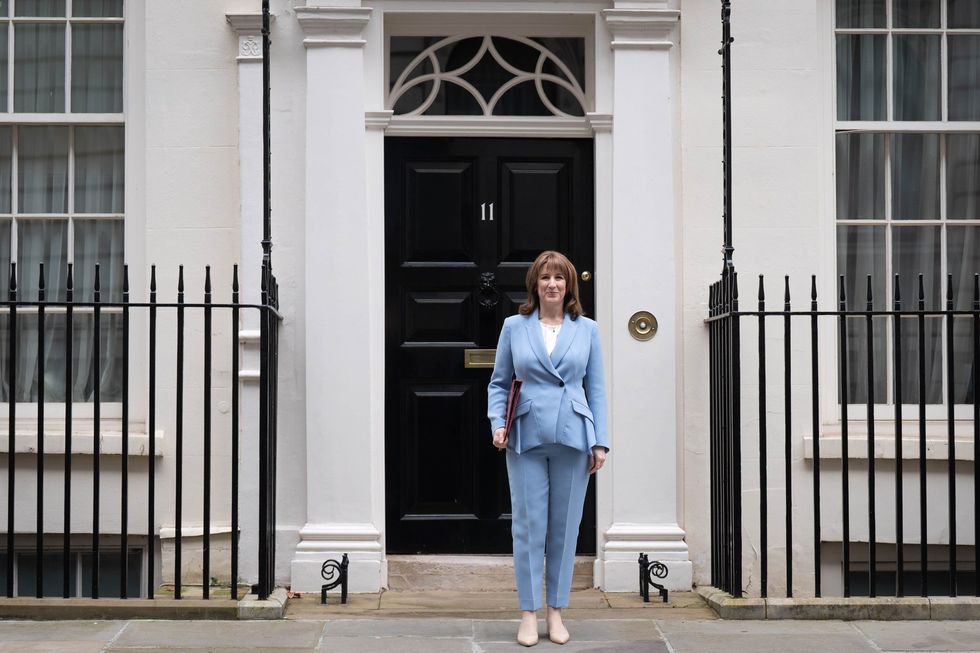
Rachel Reeves delivered the Spring Statement in the House of Commons earlier this afternoon
|PA
The latest data shows that a barrel of Brent Crude Oil is currently selling for an average of $83.30 (£62.62), although some experts have noted this could rise to $100 (£75.13) if the conflict escalates over the coming weeks and months.
Oil prices have not been this expensive since mid-July 2024, when the conflict in Gaza was reaching a fever pitch, and elections were held in the UK and France.
Petrol and diesel prices peaked in the months following Russia's invasion of Ukraine in 2022, when drivers were paying around £1.90 for petrol and almost £2 for diesel.
While fuel prices could rise in the coming weeks, experts are optimistic that costs at the pumps will not reach this level, unless there is a dramatic increase in tensions across the Middle East.