








Drivers have been warned they face being pushed off some Oxfordshire roads under new council plans to create "quieter" streets for walkers, cyclists and horse riders.
Oxfordshire County Council has approved a pilot scheme to introduce more "quiet lanes" across the county. The roads would be changed to stop drivers using them as shortcuts, with measures such as gates, bollards, lower speed limits and new signs.
The council explained that the scheme is designed to make rural roads safer and calmer for people walking, cycling, wheeling and riding horses. Residents, farmers, businesses and emergency services would still be allowed access.
Under the plans, through traffic would be removed from selected minor roads where there is strong local support and where alternative routes for drivers are available.
Councillor Rebekah Fletcher, the council's cabinet member for transport management, said many small roads were never intended to carry large amounts of traffic.
"Quiet lanes are about making sure local roads work for the communities that live there, not as cut-throughs for traffic they were never designed to carry," she said.
She added that the council wanted to "prioritise walking, wheeling, cycling and horse riding" while making sure schemes were "safe, effective and sensitive to their surroundings".
The council explained how the Oxfordshire approach goes further than current Department for Transport guidance because it will not rely only on signs. Research has shown that simply putting up signs does not reliably cut traffic speeds or reduce the number of vehicles using roads.
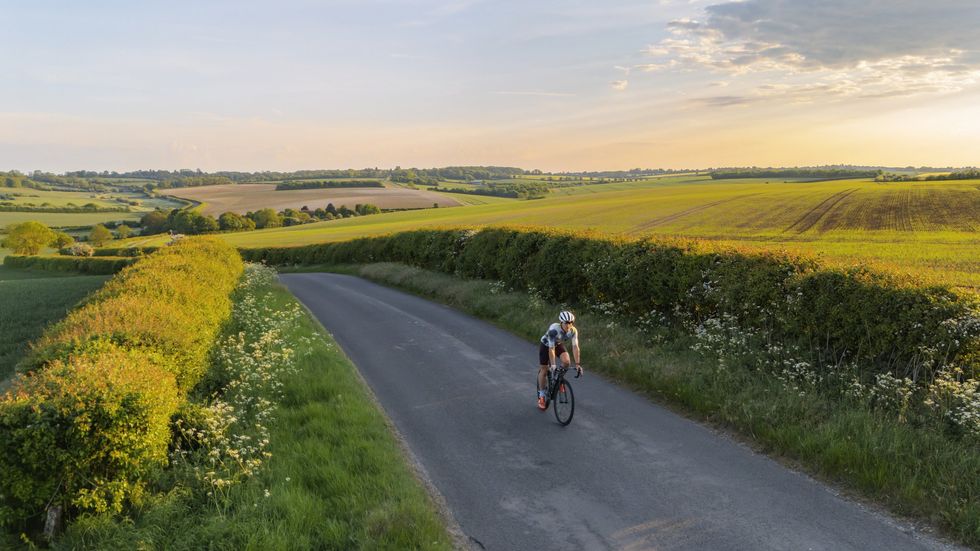
The plans would prioritise walking, wheeling, cycling and horse riding
|GETTY
Instead, every new quiet lane in the pilot scheme will include physical measures to block through traffic, alongside speed limit reductions, which are expected to be set at 20mph in most cases.
The authority detailed how journey times for drivers should only increase slightly because suitable alternative routes must be in place before any scheme is approved.
Several quiet lanes already exist in Oxfordshire, but the council noted that the new programme will create a more consistent county-wide system.
Pilot schemes will first be introduced using experimental traffic regulation orders. This allows changes to be tested before permanent decisions are made.
LATEST DEVELOPMENTS
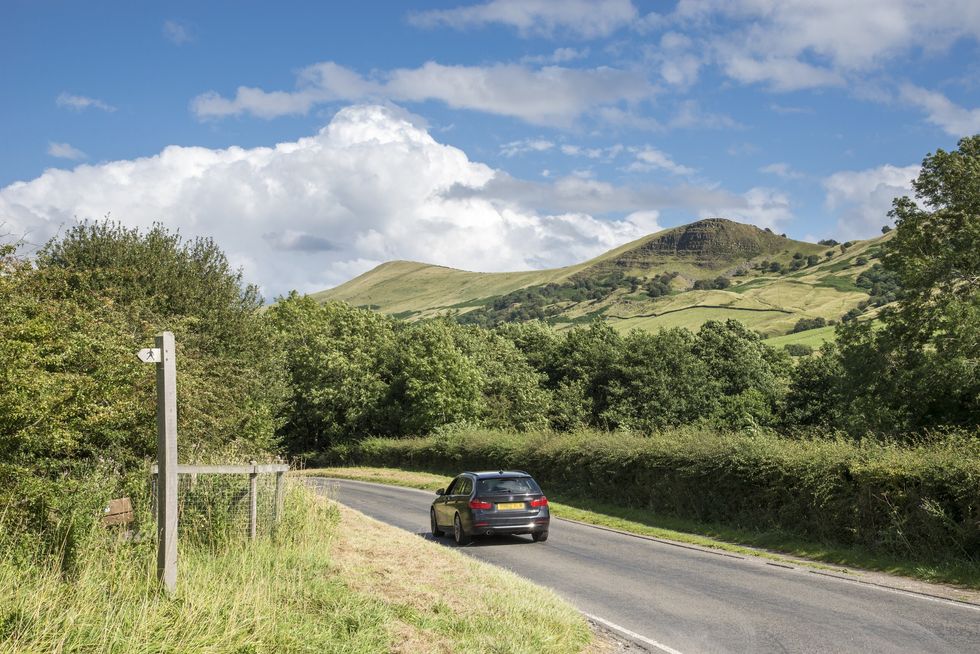
The plans would restrict drivers from using the country roads in the area
| GETTYThe council will now work with parish and town councils, as well as local county councillors, to identify suitable roads for the first schemes.
Every proposal will also go through a statutory public consultation process, giving residents and road users the chance to comment before any permanent changes are agreed.
Supporters of quiet lanes said they can improve safety, encourage active travel and make rural areas more pleasant by cutting noise and traffic levels.
The schemes are also intended to help connect bridleways and public rights of way, which could benefit horse riders and walkers using the countryside network.
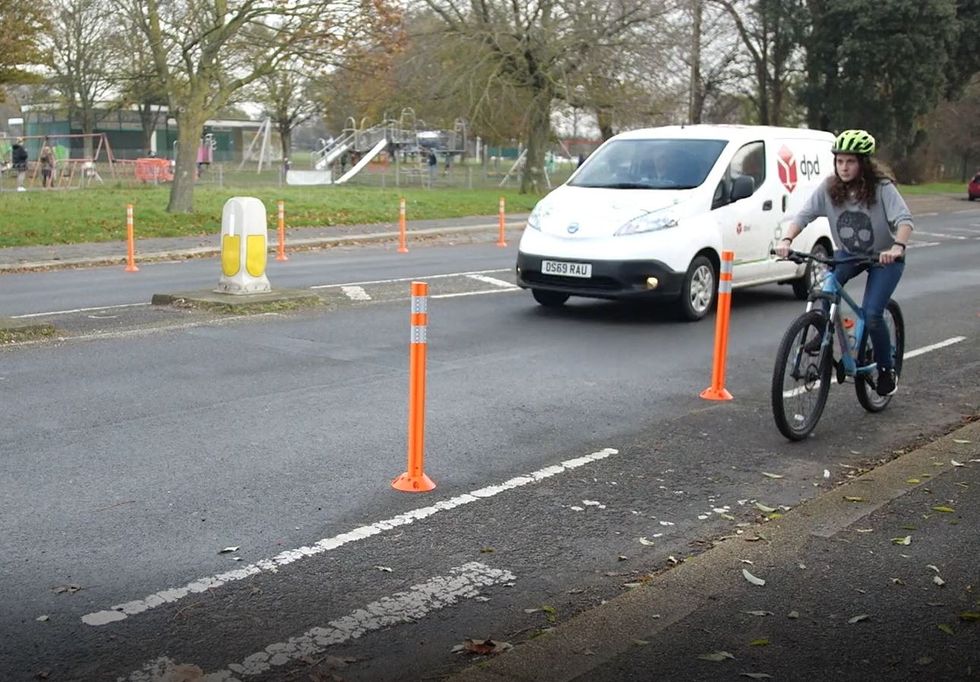
The new plans would promote more cycling and walking in the area
| PAHowever, critics of similar schemes elsewhere in the UK have argued that restricting through traffic can push vehicles onto surrounding roads and make journeys longer for drivers.
The council said all proposed sites will be judged using a county-wide framework, looking at safety, traffic levels, environmental impact, alternative routes and community support.
Funding for the programme will come from the council's capital budget. Councillor Fletcher said the authority wanted to work closely with local communities before making permanent decisions.
"By piloting schemes first, we can get them right before any permanent decisions are made," she shared. "I look forward to working with parish and town councils and local councillors on this locally led and innovative programme."