









Chancellor Rachel Reeves has announced a major tax break for drivers of popular vehicles, cutting Vehicle Excise Duty in a bid to spare motorists from brutal costs.
Under the new measures, drivers of Heavy Goods Vehicles will see tax renewals reduced by just £1 for a year in a move aimed at easing pressure on businesses hit by soaring fuel prices.
The temporary measure will save operators of standard HGVs around £600, while the largest lorries on UK roads could save as much as £912.
The Government announced the measures today with the support package, hoping to help hauliers, farmers and freight operators cope with rising costs linked to the conflict in Iran.
Ministers said the haulage sector plays a critical role in keeping the economy moving, ensuring supermarket shelves remain stocked, and supply chains continue operating smoothly.
However, rising global fuel costs have put increasing financial strain on the industry.
Ms Reeves said: "I'm keeping taxes down for drivers and businesses, putting money in the pockets of millions of workers and cutting costs for farmers and hauliers."
The conflict in Iran, which began in February, has been blamed for sharp increases in fuel prices, with red diesel costs climbing to around 50 per cent above pre-crisis levels.
In response, the Government is also cutting red diesel duty for farmers, rail freight operators and other users of the agricultural fuel.
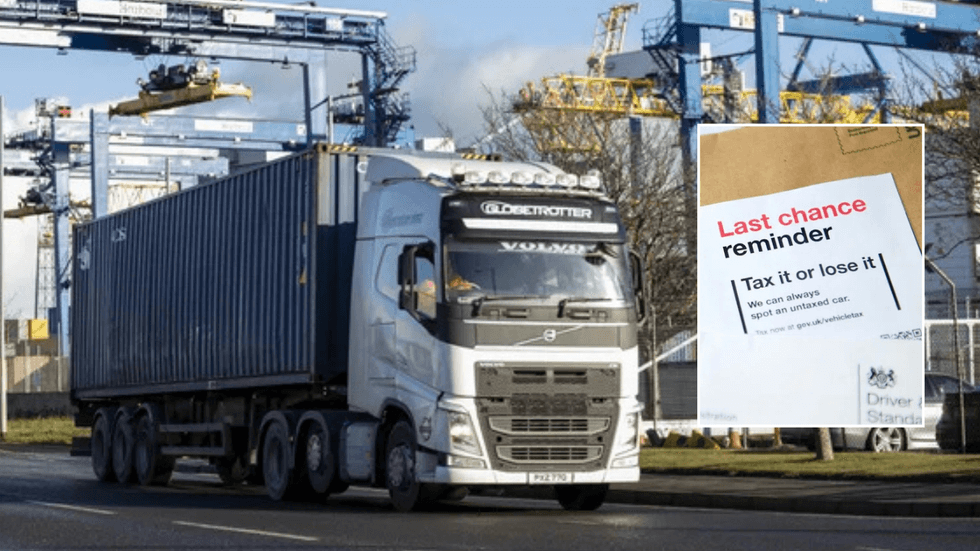
The car tax cuts were announced today in response to rising fuel costs
| PA/GETTYThe duty rate will fall by more than a third, dropping from 10.18p to 6.48p per litre until the end of 2026. Officials say this will be the lowest red diesel duty rate in more than 20 years.
The road tax holiday comes just weeks after higher VED rates for Heavy Goods Vehicles came into force on April 1.
Under the current system, annual charges vary depending on the size, weight and axle structure of the vehicle.
Smaller commercial vehicles in the A1 category currently pay £86 a year, while the heaviest articulated lorries in band G face annual charges of up to £913.
Two-axle lorries pulling semi-trailers weighing between 38,000kg and 44,000kg are among the most heavily taxed vehicles on Britain's roads. Rigid vehicles in the E1 category face yearly charges of £601.
Vehicles weighing more than 44,000kg can face annual rates of £1,703, alongside additional levy costs linked to emissions standards.
LATEST DEVELOPMENTS
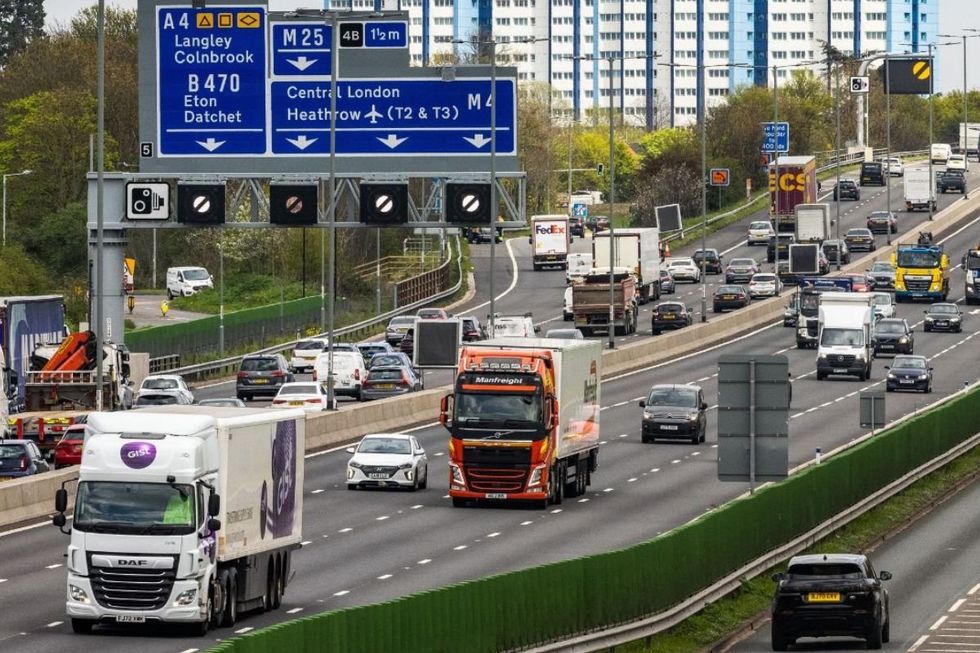
The new measure hopes to alleviate tax pressure on HGVs
| PAThe HGV road user levy also depends on whether vehicles meet Euro 6 emissions rules.
Cleaner lorries are charged lower yearly rates, while older and more polluting vehicles face significantly higher costs.
Lorries weighing between 12,000kg and 31,000kg that meet Euro 6 standards currently pay £161 annually, while older Euro 5 models pay £209.
For vehicles weighing more than 38,000kg, annual charges rise to £619 for Euro 6-compliant lorries and £804 for non-compliant vehicles.
The Government said the temporary tax cuts will help ease pressure on businesses, protect jobs and prevent higher transport costs being passed on to consumers during a period of global uncertainty.
Prime Minister Keir Starmer said many families and businesses were worried about the impact rising fuel costs could have on household finances.
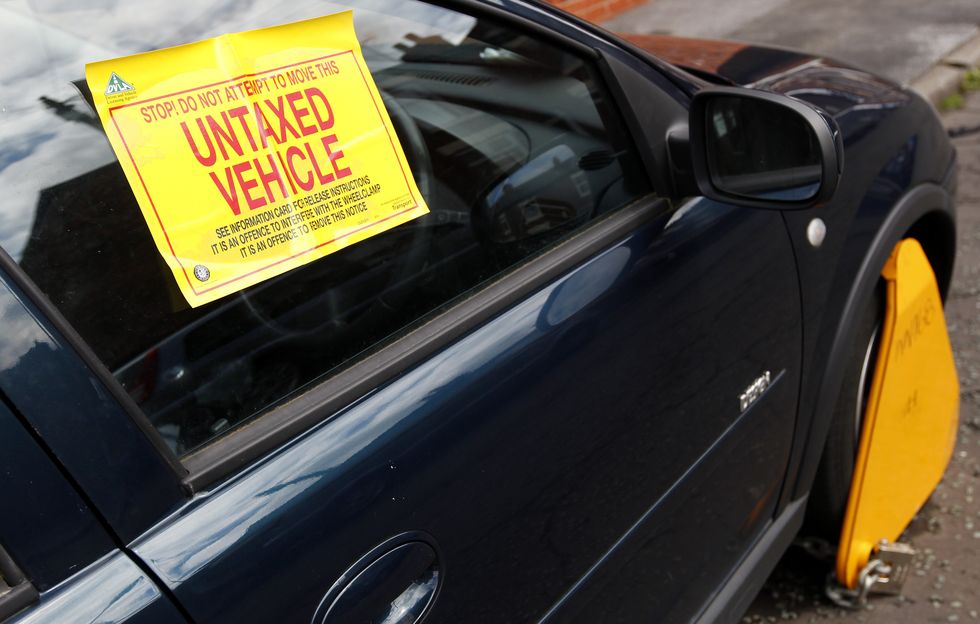 Car tax hikes came into effect on April 1 | PA
He said: "I know many are feeling the pressure of energy and fuel costs, and are worried about how the conflict in Iran will affect their finances. Because when global events drive up prices, it's working people who feel it first.
"That's why this Government is stepping in to keep fuel costs down for millions of drivers and putting money back in the pockets of working people."
Ms Reeves also defended the measures as necessary to shield households and businesses from further economic pressure.
She said: "The war in Iran is pushing up fuel prices here at home, but after strong growth at the beginning of the year, I am stepping in to protect people at the pump."
The Chancellor argued that supporting businesses through the current crisis would help create a stronger and more resilient economy in the long term.