








A new report has warned that drivers with fake number plates are putting national security at risk, with reports of "widespread" registration plate misuse.
Fresh research from the All-Party Parliamentary Group for Transport Safety (APPGTS) has warned that the UK's number plate system is "outdated and poorly regulated".
Criminals and organised crime groups have been found to operate undetected on the UK's road network to let dangerous motorists get away with serious crimes, prompting calls for urgent action.
The APPG warned that the UK's network of Automatic Number Plate Recognition (ANPR) cameras is being "critically undermined by weak regulation of number plate production", as well as a lack of enforcement.
The report found that as many as one in 15 vehicles may carry modified, non-compliant plates, which are often referred to as "ghost" or "stealth" number plates.
These plates generally contain a film which obscures the numbers and letters on the plate to the camera technology. They can either hide some of the letters or make the whole plate invisible.
Sarah Coombes, Labour MP for West Bromwich, has been one of the biggest supporters of new regulations to crack down on ghost and stealth plates to protect all road users from people breaking the law.
She said: "This explosive report lays bare the threat posed by ghost and cloned plates. It also makes clear how the whole system is failing.
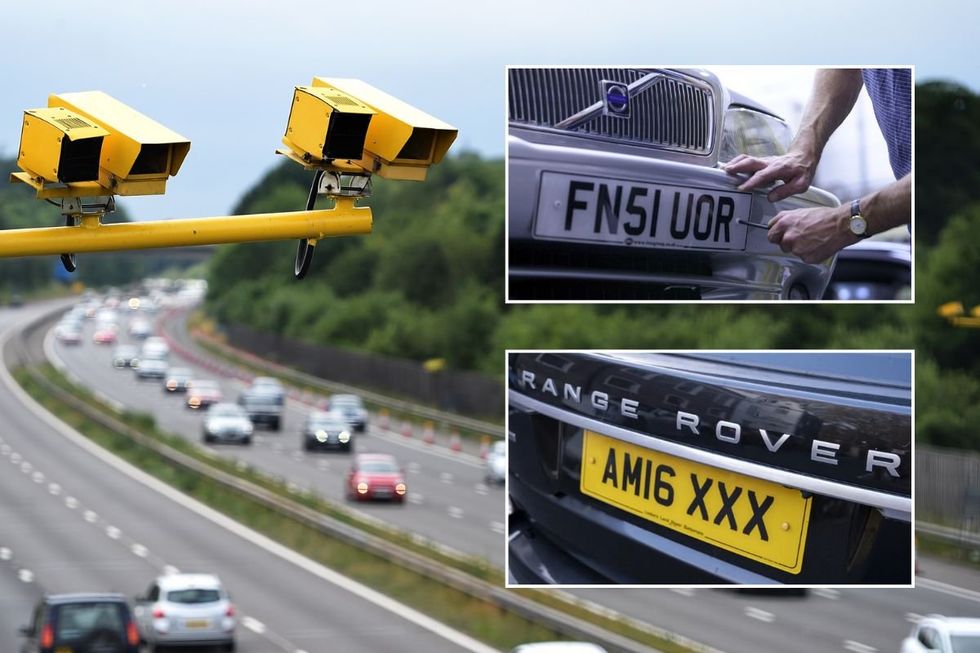
Experts have highlighted the dangers of illegal number plates, prompting calls for a crackdown
|PA
"It's totally wrong that people can commit terrible crimes and then set themselves up as number plate sellers with no questions asked."
Ms Coombes has previously called for the Government to crack down on drivers breaking the law, and suggested fines of up to £1,000 and six penalty points on licences to deter motorists.
More than 34,000 suppliers registered with the DVLA produce UK number plates, with the report stating that some operate from private homes or small workshops.
It warned that there are no background checks on these number plate providers. Some operators handling sensitive details, like ID documents, were found to have serious criminal convictions for crimes including violent offences and fraud.
LATEST DEVELOPMENTS
 Sarah Coombes MP has called for the Government to crack down on number plates that evade traffic cameras | PA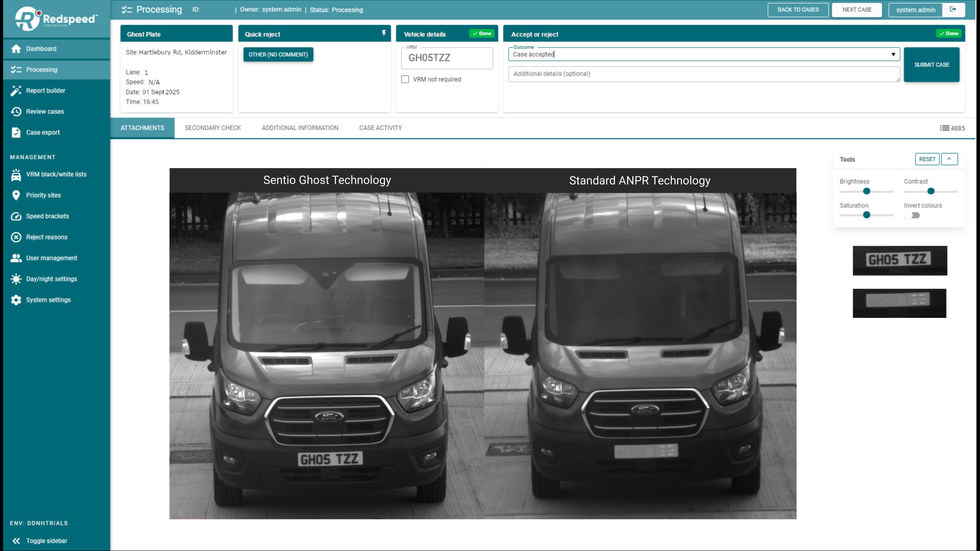
Experts have highlighted how certain camera technologies detect ghost plates
|RAC
Martin Saunders, head of uninsured driving prevention at the Motor Insurers' Bureau, said: "There is an urgent need for a partnership approach to implement the recommendations made in this report to make our road system safer and ensure every vehicle is able to be quickly and readily identified by the number plate it exhibits."
The report found that there is a "gaping hole" in the UK's security and policing infrastructure which could be exploited by cellophane, leaves or even a marker pen.
The APPG suggests a "wholesale revision" of the registration plate system, including production, supply, usage and management.
It specifically calls for number plates to be standardised with security features to bring the UK up to international standards, and even proposes banning the use of 3D and 4D plates.
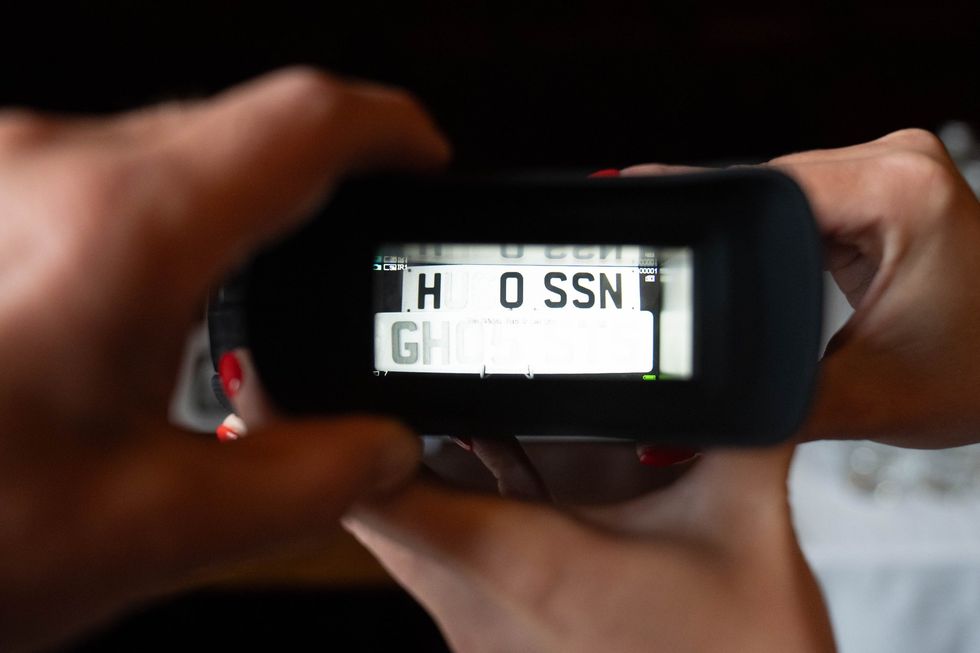
The report has called for a massive crackdown on illegal number plates
|PA
Sellers could also be targeted, with a recommendation to crack down on the number of companies able to issue plates. Measures could involve annual fees, regular audits and the removal of non-compliant sellers.
The report also emphasised recommendations from Ms Coombes MP, backing increased fines, licence points and the possibility of repeat offenders having their vehicles seized.
Michael Flanagan, Chairman of the British Number Plate Manufacturers Association (BNMA), said the organisation fully supported the APPG's recommendations.
"The BNMA will support the proposed level of regulation during and after its implementation by providing compliant resources and enhancing its guidance to outlets, authorities, and the public, thereby safeguarding public safety through a secure and regulated supply system," Mr Flanagan said.