










Labour has provided fresh insight into how self-driving vehicles will operate on UK roads, just months before live trials are set to start for autonomous cars.
Transport Minister Simon Lightwood has outlined the Government's plans to implement the terms of the Automated Vehicles (AV) Act 2024.
In a written statement to Parliament, the Labour MP for Wakefield and Rothwell said the self-driving revolution would increase opportunities for drivers and kickstart economic growth.
He emphasised that road safety and improving accessibility remain central to the plan for autonomous vehicles to be on UK roads over the coming years.
TRENDING
Stories
Videos
Your Say
The Government has previously estimated that the self-driving industry could create 38,000 jobs and add £42billion to the economy by 2035.
Mr Lightwood, who has been an MP since winning a by-election in 2022, said the AV Act is "one of the most comprehensive legal frameworks of its kind" and sets out legal responsibilities for a range of players.
Measures have been designed to protect all road users, including pedestrians, cyclists, disabled people and vulnerable groups, through a safety framework.
A new call for evidence has been launched to develop the regulatory framework for automated vehicles to inform secondary legislation, and will be split into two sections.
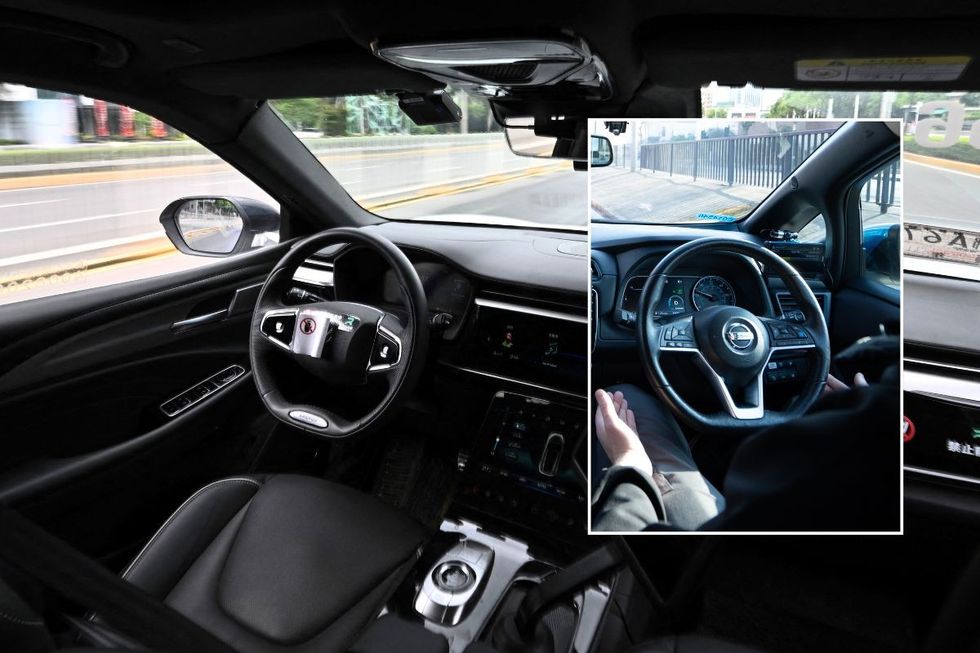
The Government is requesting views on the proposed rollout of self-driving cars
| GETTY/PAThe first chapter looks at how automated vehicles will join the UK's parc of road traffic, headlined by whether the vehicle is "technically safe" before being allowed onto the GB market.
The vehicle type approval will be linked to work being conducted at the United Nations Economic Commission for Europe, while authorisation will also play a role in the new rules.
It also aims to hear views on whether drivers will be responsible when self-driving features are engaged.
Automated vehicles must be insured to legally drive on UK roads, although this will be different to conventional vehicles, requiring timestamp data to show if the system was active in the event of an accident.
LATEST DEVELOPMENTS
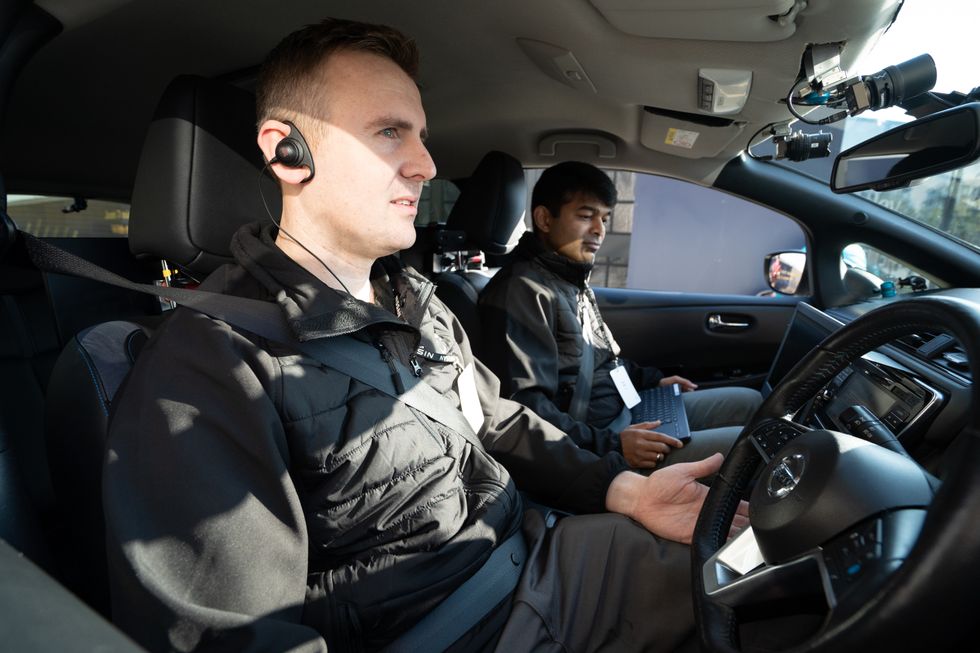 The self-driving sector could be worth £42billion in 2035 | PA
The second part of the call for evidence looks at how new civil and regulatory sanctions could be available to issue compliance notices, redress notices and fines.
Cyber security will also play a role in the rollout of self-driving vehicles, with the Government requesting views on how the vehicles can remain protected from outside threats.
Mr Lightwood said: "Questions relating to data, costs and benefits appear throughout the call for evidence and there are standalone sections on accessibility and environmental impacts.
"While the focus of the call for evidence is on the safety framework, we are particularly mindful of potential accessibility benefits and so have included accessibility considerations.
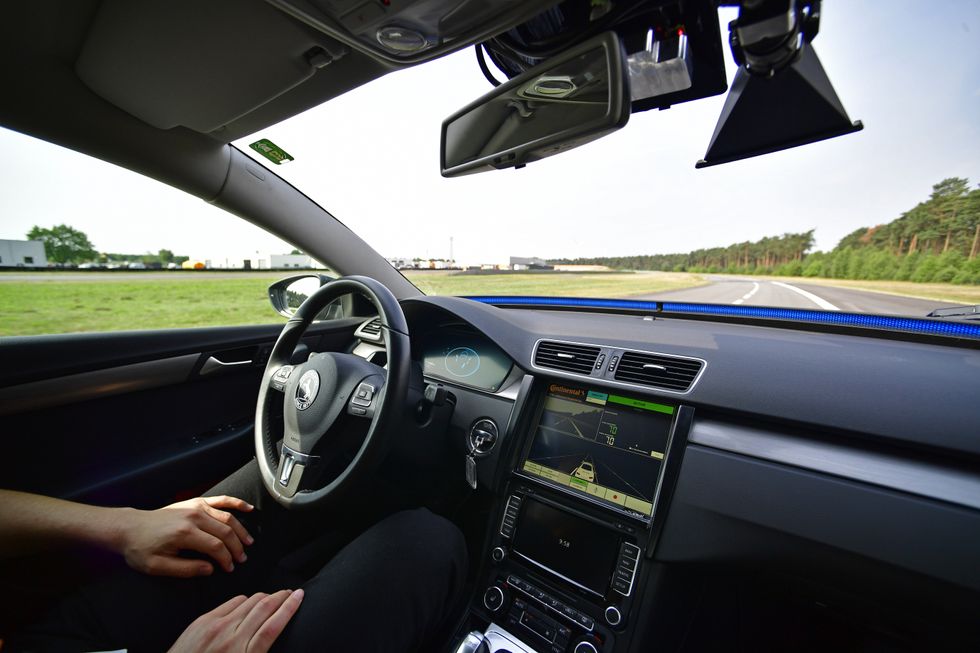 Self-driving cars could be available for hire in the UK as soon as next year | GETTY
"We seek views from a broad range of respondents - including road users, industry, academics, road safety experts, accessibility specialists, first responders, trade unions and the wider public.
"Their insights will help ensure that as AV technologies develop, they do so in ways that strengthen safety, widen access and safeguard the public."
The written statement also provided support for the Government's use of artificial intelligence to bring "tangible" benefits to the public.
The call for evidence will remain open for responses until 11.59pm on Thursday, March 5, 2026.