







Scottish ministers have confirmed lorries will be allowed to travel faster on major roads, raising the speed limit for Heavy Goods Vehicles to 50mph.
The move increased the current limit by 10mph and will apply to both single and dual carriageway trunk roads across Scotland.
However, the Scottish Government has quietly dropped plans to reduce speed limits for cars and vans, following strong public opposition.
Earlier proposals would have seen the national speed limit on single carriageways cut from 60mph to 50mph for most motorists, but this idea has now been shelved.
TRENDING
Stories
Videos
Your Say
The decision follows a large public consultation carried out as part of the National Speed Management Review, which saw more than 19,500 people respond.
Transport Secretary Fiona Hyslop said ministers carefully studied the feedback before deciding how to proceed. While work will now begin on changing speed limits for lorries, no changes will be made for cars and vans.
The consultation showed clear resistance from drivers to any reduction in speed limits. More than three-quarters of respondents said the current 60mph limit on single carriageways was already right.
Nine out of 10 people also said they did not believe lowering speed limits would help reduce road deaths or injuries. The opinion was more mixed when it came to lorries, with six out of 10 respondents stating that current limits for HGVs on single carriageways were acceptable. However, nearly four in 10 felt they were too low.
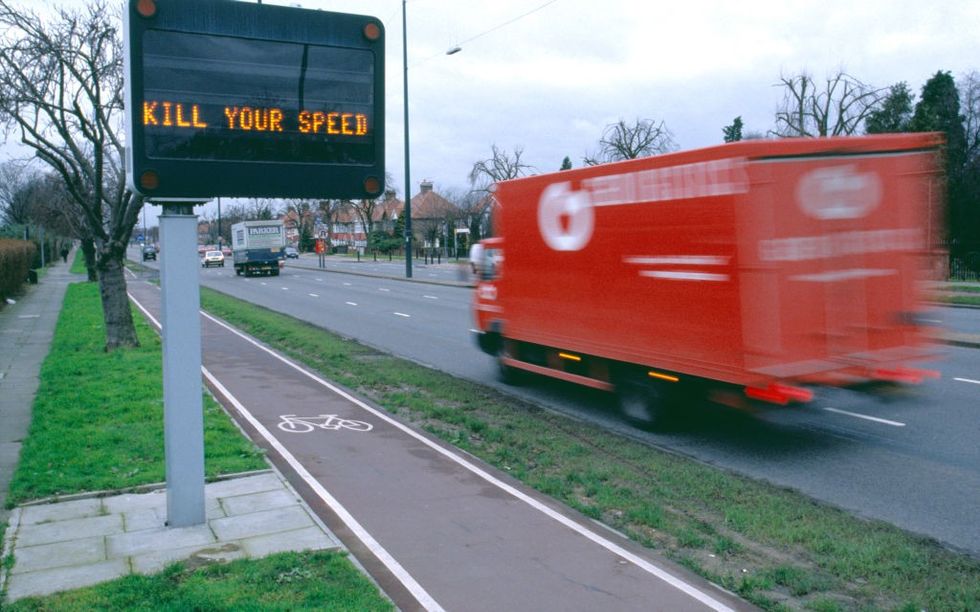
Under the proposals, HGVs would see speed limits increase to 50mph
| GETTYBusinesses and fleet operators were more strongly in favour of change. A majority said lorries were already restricted too much, especially on dual carriageways.
More than half of all respondents agreed that increasing HGV speed limits could reduce frustration for other drivers, particularly on long single-carriageway roads where overtaking can be difficult.
Ms Hyslop said the review would help support Scotland's ambition to have the safest roads in the world by 2030. She said the next steps were shaped by the large number of responses to the consultation.
The Transport Secretary pointed to a previous trial on the A9, along with similar rules already in place elsewhere in the UK, as evidence that higher HGV limits can work safely.
LATEST DEVELOPMENTS
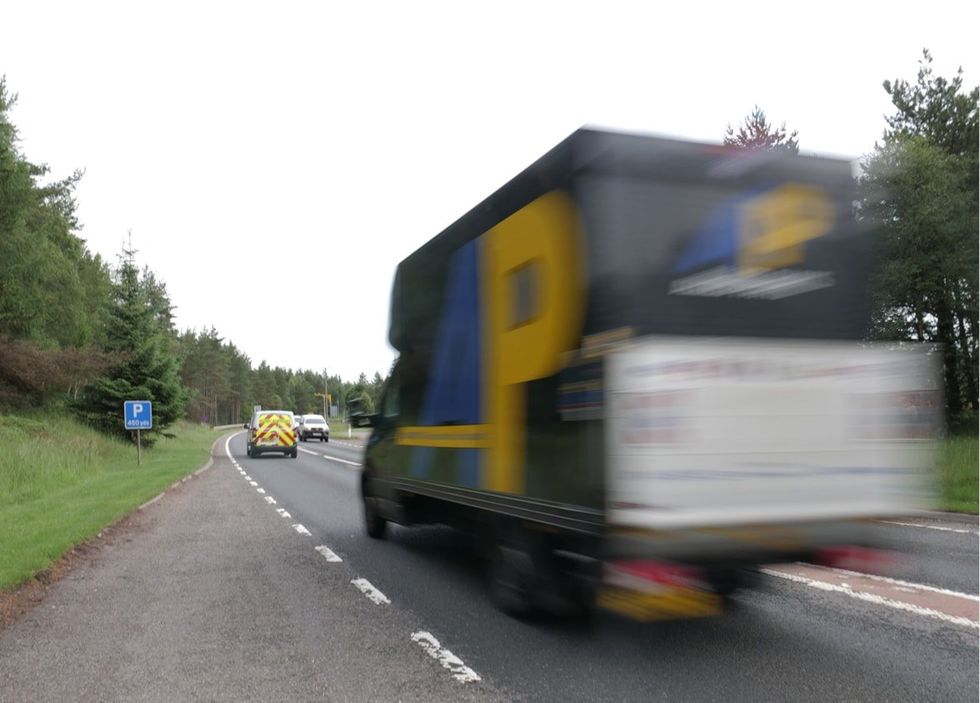
More than 19,500 people responded to the National Speed Management Review
|TRANSPORT SCOTLAND
By narrowing the speed gap between lorries and cars, the Government believed the change would reduce risky overtaking and improve traffic flow.
Ms Hyslop said the safety of road users remained the top priority, adding that "one death on our roads is one too many".
The Road Haulage Association welcomed the announcement, saying it had been campaigning for years to raise the 40mph limit.
Martin Reid, the RHA's policy director for Scotland, Wales and Northern Ireland, said the decision was "tremendous news" for the haulage industry. He said the Government had listened to concerns raised by the sector and acted on them.
Mr Reid argued the change would improve road safety, cut fuel use and emissions, and support economic growth across Scotland.
Under the plans, HGVs will see speed limits on major roads increase by 10mph
| GLOUCESTERSHIRE CONSTABULARYHe pointed to evidence from the A9 trial showing fewer dangerous overtaking manoeuvres when the speed difference between cars and lorries is reduced. He also said lorries are more fuel-efficient at 50mph than at 40mph, meaning fewer emissions overall.
The RHA said Scottish hauliers have long been at a disadvantage compared to firms in England and Wales, where higher limits already apply.
Shorter journey times, the group said, would reduce costs for businesses and could ultimately benefit customers. The association confirmed it would work with the Scottish Government and Transport Scotland to roll out the changes.
The announcement comes as Scotland faces a rise in road deaths. Provisional figures show 160 people died on Scottish roads in 2024, up 13 on the previous year. While overall injuries fell, deaths involving cars and motorcycles increased. Scotland has set a target to halve road deaths by the end of the decade.