




The DVLA has issued a fresh warning to motorists, urging them to stay vigilant as scams targeting drivers continue to rise across the UK.
According to new figures from the agency, almost 20,000 people contacted the DVLA call centre in 2024 alone to report suspected fraud linked to vehicle or driving licence details.
Officials explained criminals are becoming increasingly sophisticated, making it harder for drivers to spot fake messages and websites.
The DVLA has now warned that fraudsters are now using convincing emails, text messages, phone calls and cloned websites to trick motorists into handing over personal and financial information.
TRENDING
Stories
Videos
Your Say
As a result, drivers are being urged to understand exactly how the agency communicates and how to spot a scam before falling victim to one.
A DVLA spokesperson explained how the safest way to use its services is through one official channel only, with the authority ruling out certain forms of communication.
They said: "Drivers should only access DVLA services through the official GOV.UK website. Using other websites could lead to paying more than necessary, or falling victim to fraud."
Motorists are being reminded many unofficial websites either charge inflated fees or are designed purely to steal money and personal data.
Some services advertised online as "DVLA approved" are not connected to the agency at all.
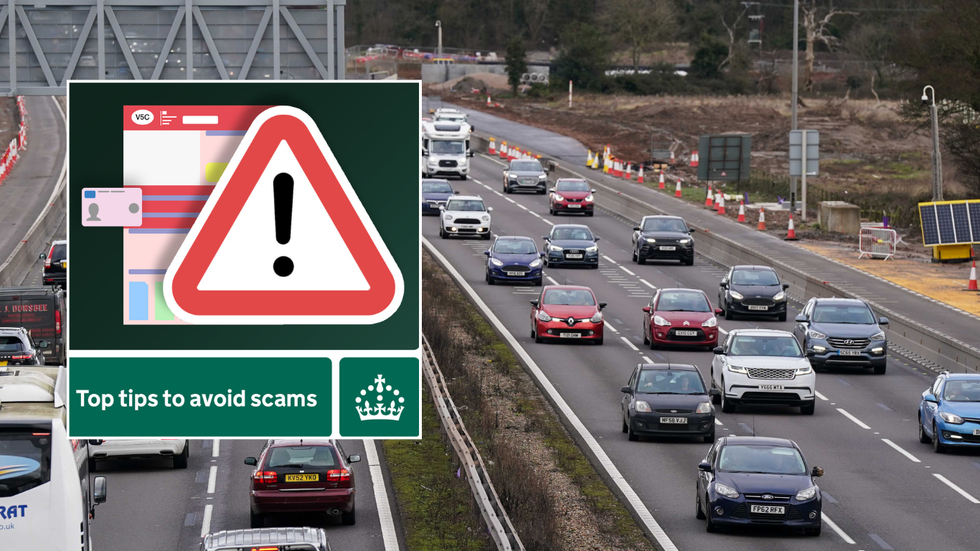
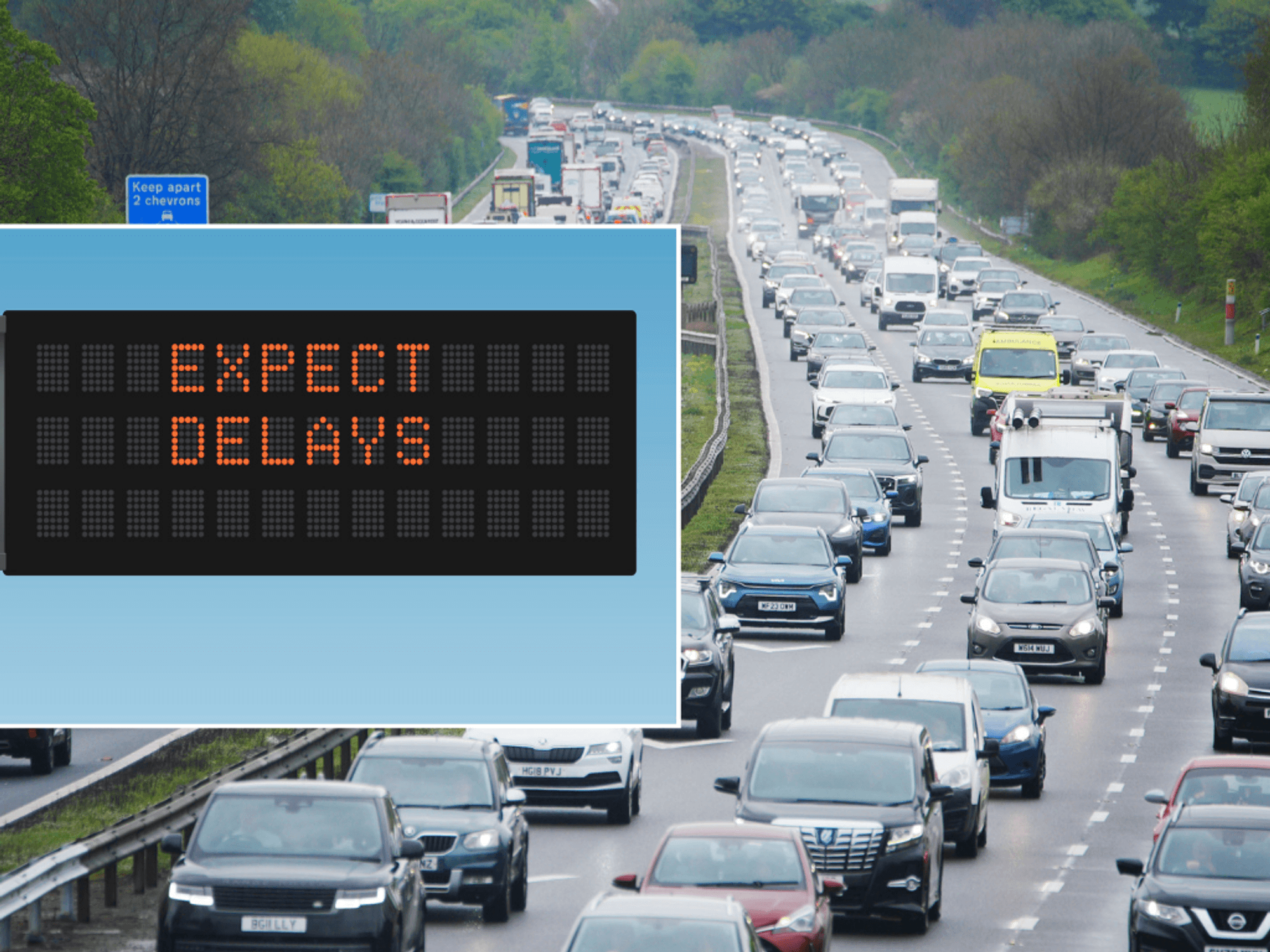
The DVLA issued a scam warning to stop drivers getting caught out by criminals
| PA/DVLAAnother key warning involves social media. The DVLA has urged drivers not to post pictures of their driving licence or V5C logbook online, even when celebrating passing a driving test or buying a new vehicle.
While sharing milestones may seem harmless, officials warned that these documents contain sensitive information criminals can exploit.
Identity fraud and vehicle cloning are among the most common consequences.
Once a vehicle is cloned, victims can begin receiving fines for offences they never committed, including speeding tickets, parking charges and congestion zone penalties.
In many cases, drivers only discover the problem once large sums of money are demanded, the DVLA explained.
LATEST DEVELOPMENTS
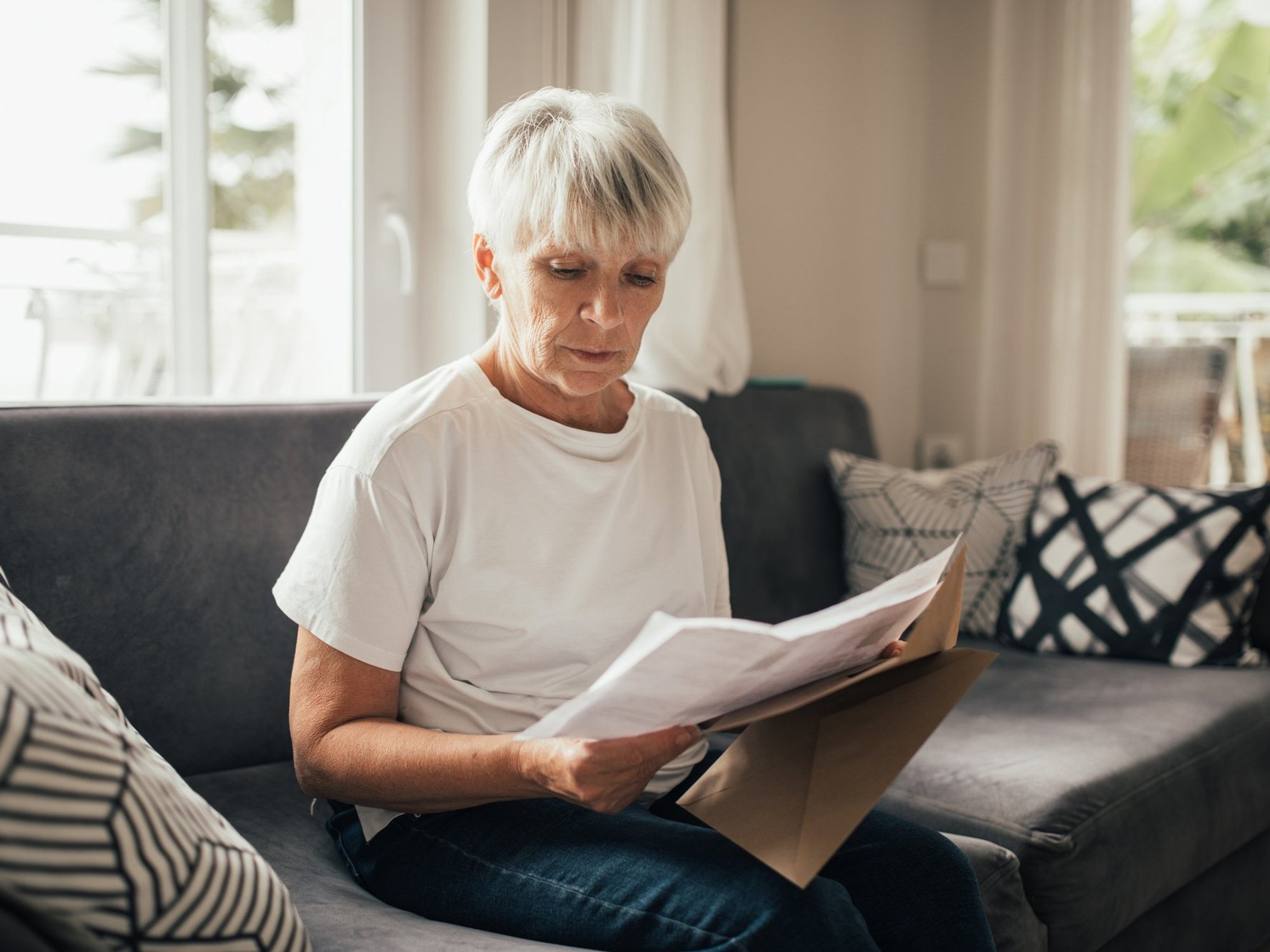
The DVLA are urging drivers to avoid any scam emails pretending to be from the authority
| PABy then, proving innocence can be difficult and time-consuming.
Fraudsters have also been found to be sending fake emails and text messages claiming motorists are owed vehicle tax refunds or must urgently update payment details.
The DVLA has been clear that these messages are always scams.
The agency stated: "DVLA will never ask for bank details or payment information by email or text.
"Any vehicle tax refund is issued automatically — we do not send links asking people to claim money."
Drivers are advised never to click on links in unsolicited messages and to delete them immediately.
Suspicious emails should be reported to the National Cyber Security Centre, while scams can also be reported through Action Fraud.
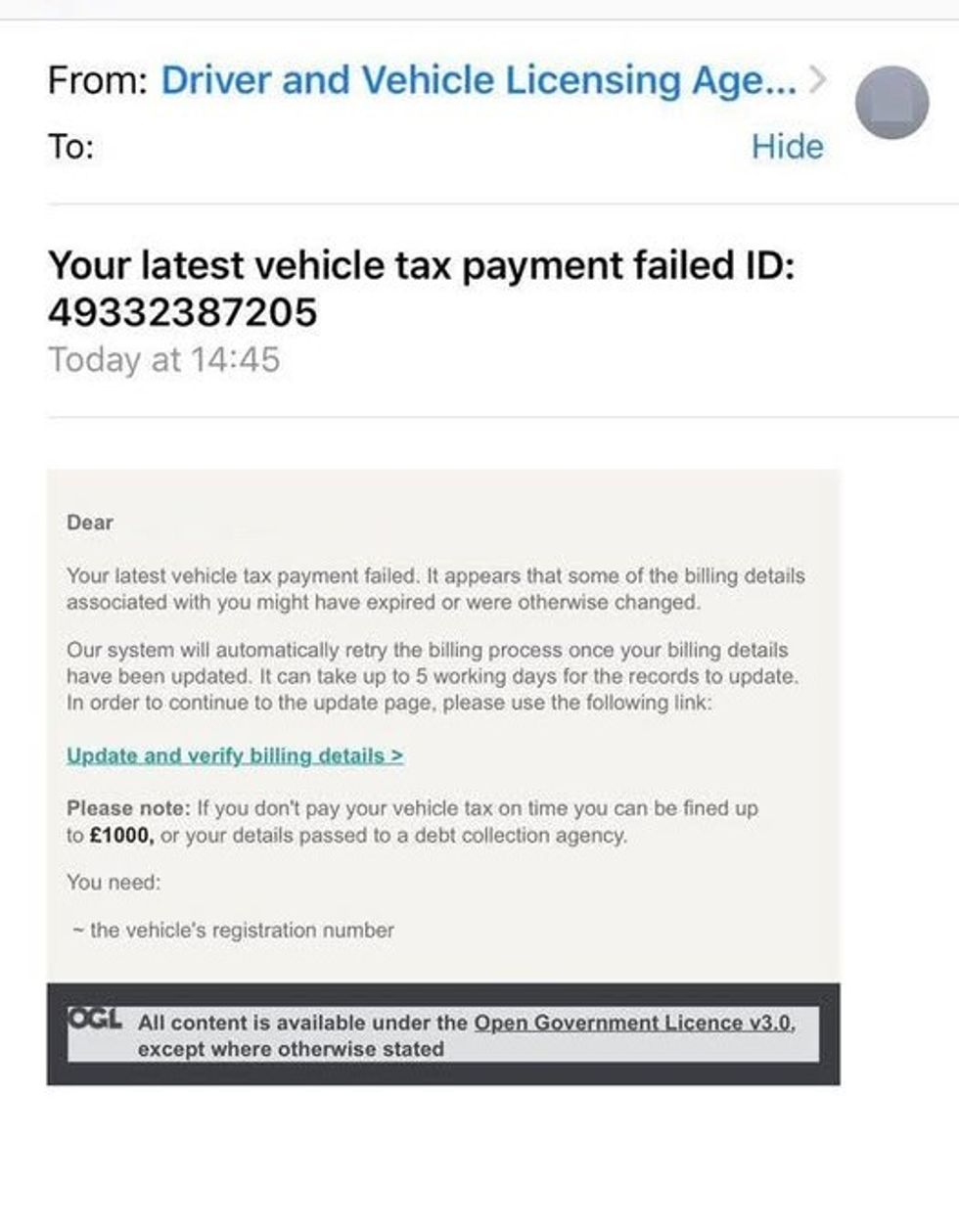 Drivers have been warned to not respond to DVLA fake emails which can lead to money being stolen | DVLA
Fake DVLA websites remain a major concern. These sites often look professional and use official-style branding, but charge high fees for services that are free or cheaper on GOV.UK, including licence applications, vehicle tax payments and Clean Air Zone charges.
Motorists who believe they have encountered a scam are being encouraged to report it to help authorities shut down fraudulent operations and protect others.
The DVLA warning follows a separate alert from Warwickshire County Council, which has reported a rise in fake text messages demanding payment for penalty charge notices.
Councillor Jennifer Warren said: "We urge residents to stay alert to these scams. Never share your personal details for payment unless you are absolutely certain it is a trustworthy source."
With scammers becoming more persistent and convincing, officials pressed drivers to stay informed and cautious of potential scams.