




A former FBI cyber chief has told GB News that millions of vehicles could be at risk of being hacked over the coming years, potentially devastating drivers.
Cynthia Kaiser, SVP of the Halcyon Ransomware Research Center, explained that vehicles becoming packed with more impressive technology will inadvertently lead to greater chances of being hacked.
Ms Kaiser, who previously served as Deputy Assistant Director of the FBI’s Cyber Division, described the move to more connected vehicles as "an almost unavoidable trade-off".
She highlighted how modern vehicles contain over 100 million lines of code and increasingly depend on cloud services, over-the-air updates and third-party software integrations.
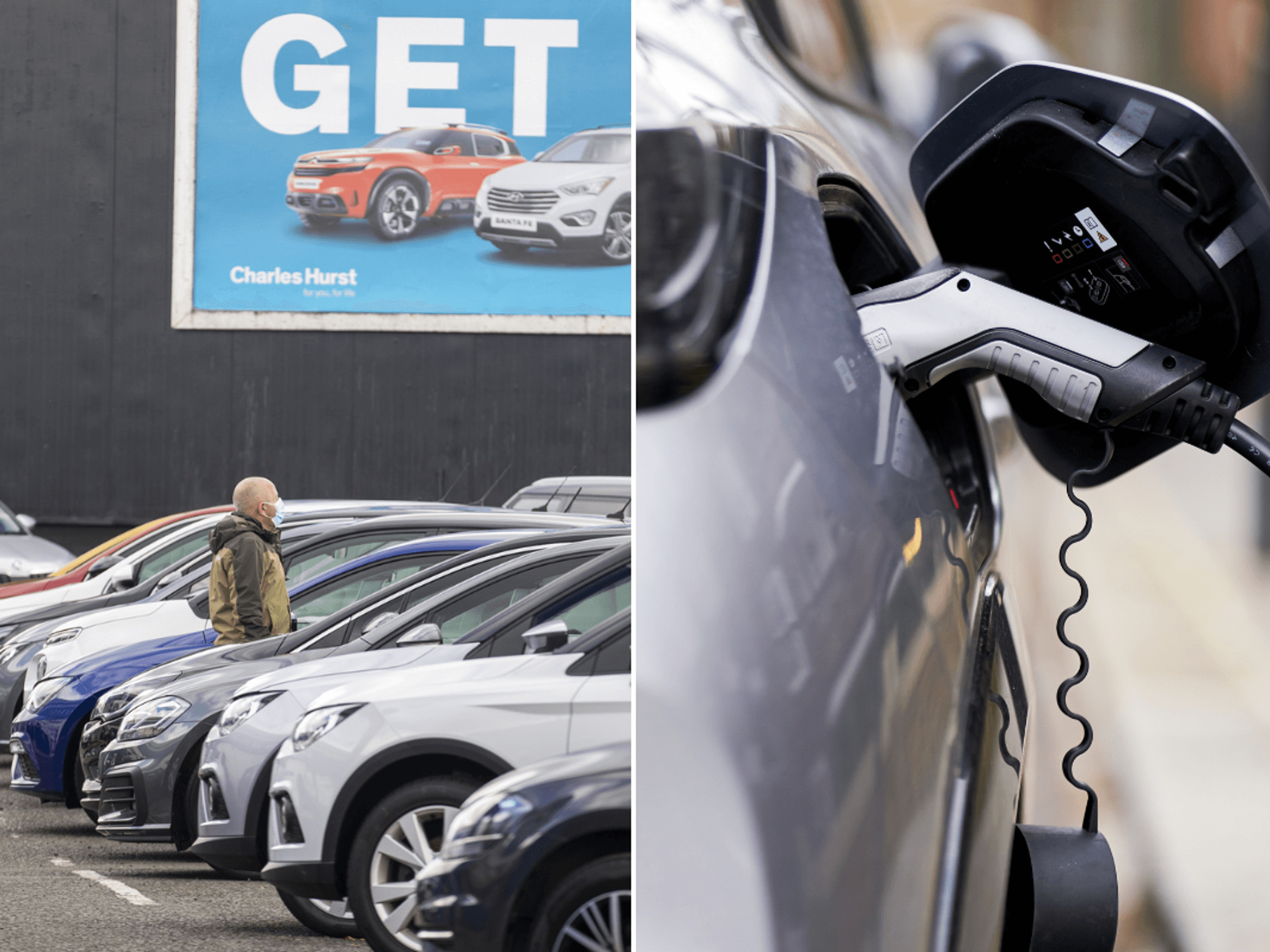
As more drivers make the transition away from petrol and diesel vehicles and towards electric cars, motorists are expecting technology to improve.
While this will naturally include driver assistance and road safety features, motorists may also want a host of entertainment features, with some brands even opting to include karaoke functions.
Manufacturers, especially those in China, face greater levels of competition than ever before, and technology is one of the easiest ways to get ahead by marketing directly to the everyday needs and wants of motorists.
Ms Kaiser pointed out that all of these connection points can be exploited by threat actors and criminals, citing evidence to support these claims.
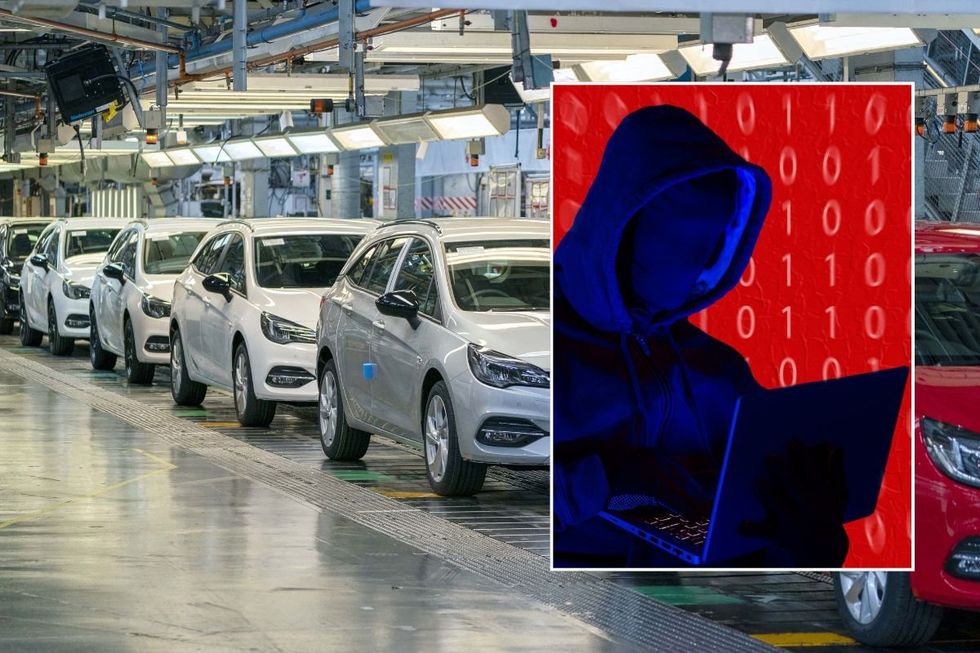
A cybersecurity expert has issued a warning that automakers could be more at risk of cyber attacks as they make more connected vehicles
|GETTY/PA
A report from Halcyon shows that ransomware attacks targeting the auto sector more than doubled in 2025, and accounted for 44 per cent of all publicly reported cyber attacks in the industry.
It states that threat actors are increasingly aware that more connected vehicles pose greater opportunities to infiltrate the systems and cause damage.
Ms Kaiser stated that because of the new opportunities to launch hacks, attack types have "broadened in direct proportion to the expanding technology stack".
Criminals have also targeted manufacturers in an attempt to disrupt their operations and potentially extort the companies for financial gain.
LATEST DEVELOPMENTS

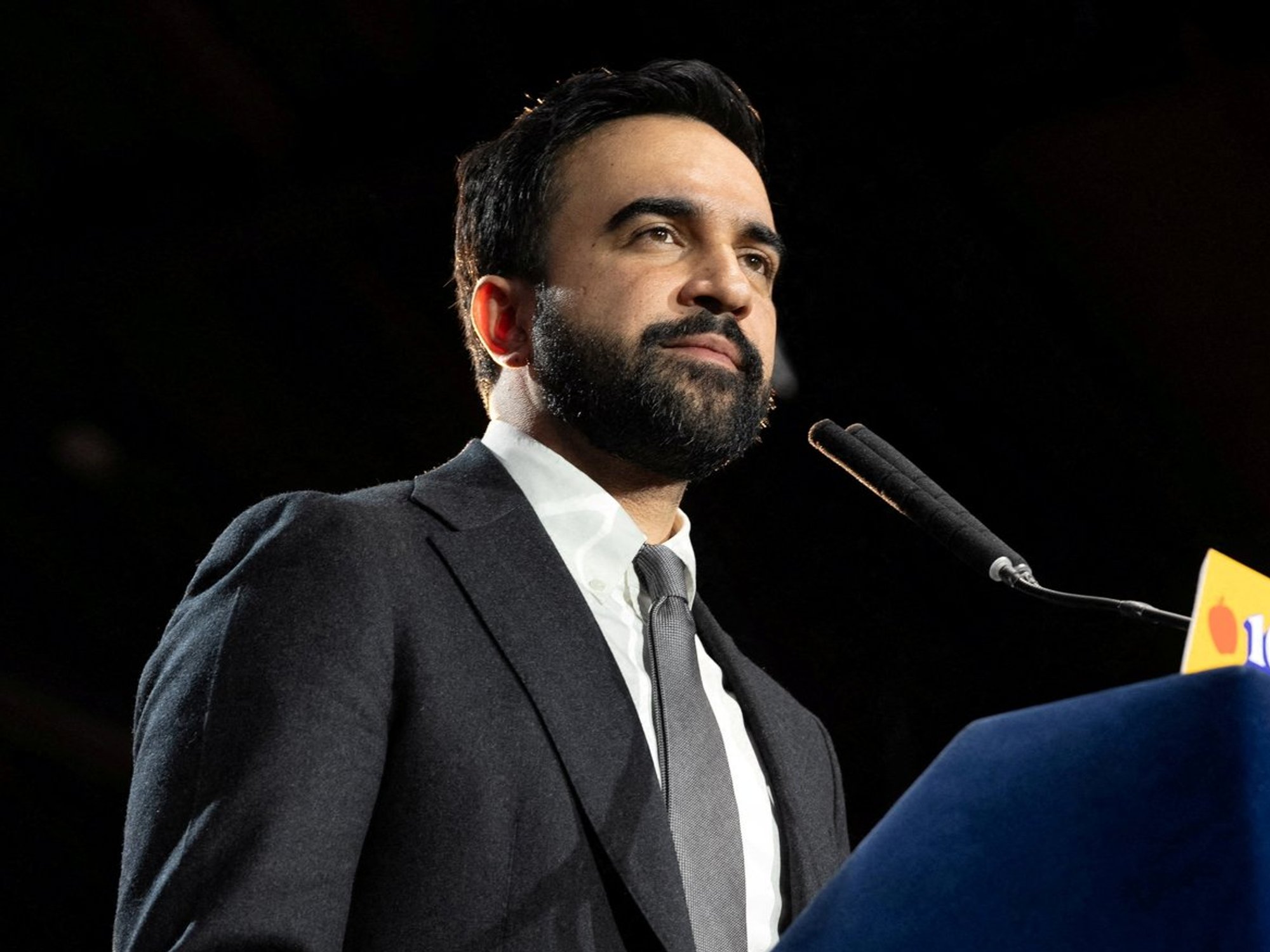
Cynthia Kaiser, SVP of Halcyon Ransomware Research Center, told GB News that threat actors were targeting technologically advanced vehicles
|HALCYON
Jaguar Land Rover was the largest target of a cyber attack last year, with the iconic British manufacturer forced to undertake a "phased restart" of its operations after shutting its IT services and suspending production at its sites.
A report from the Cyber Monitoring Centre estimated that the JLR hack caused a financial impact of £1.9billion and affected more than 5,000 organisations in the UK alone.
French brand Renault also confirmed that its third-party data processing providers had been targeted in a cyber attack, with criminals accessing customer names, addresses, dates of birth, gender, phone numbers, vehicle identification numbers and vehicle registration details.
While it confirmed that no financial or password data had been compromised, it instructed drivers to remain cautious of "any unsolicited requests" for personal information.
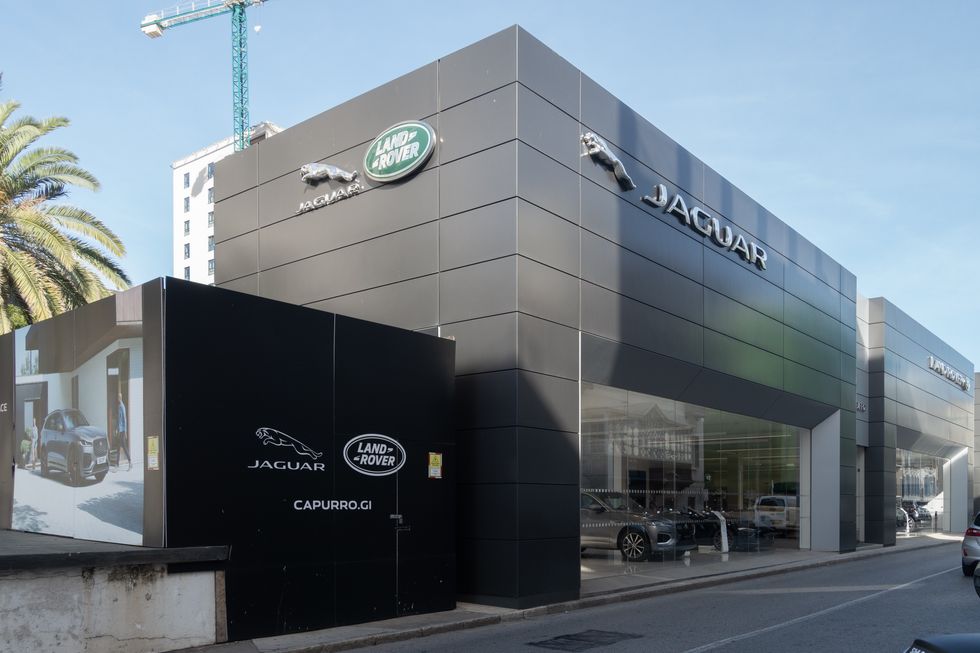 Jaguar Land Rover suffered a massive cyber attack at the end of August last year | GETTY
Following these hacks, Cynthia Kaiser said she hoped manufacturers would be taking greater steps to protect themselves from any cybersecurity issues and ransomware attacks.
The expert, who also served as a member of the Cyber Safety Review Board and as a daily intelligence briefer to senior White House officials, said: "We expect, at the very least, incidents like this to accelerate investments already underway.
"At a minimum, the JLR breach was a reminder, at board level, that the financial and reputational costs of a serious incident are increasingly difficult to dismiss."