









Electric vehicle drivers risk being shut out from affordable home charging due to high costs and lengthy council delays, according to fresh research from EVA England.
The advocacy group exposed a stark "charging divide" affecting millions of households across the country, with the challenge preventing drivers from purchasing an electric car.
For drivers without driveways, an overwhelming 93 per cent reported having no cross-pavement charging solution in place, despite nearly four in five stating the devices could realistically work at their property.
The research was gathered through a focused survey conducted between January 6 and 19, drawing responses from drivers navigating the challenges of on-street parking while attempting to switch to electric vehicles.
TRENDING
Stories
Videos
Your Say
The survey revealed how drivers attempting to install cross-pavement charging infrastructure have faced significant financial hurdles, with planning application fees adding approximately £500 to installation expenses reaching nearly £3,000.
Beyond the financial burden, survey participants described experiencing repeated rejections from local authorities, while other drivers reported waiting months or even years without receiving any response to their applications.
The scale of successful installations remained remarkably low, with just eight drivers among those surveyed having managed to get a cross-pavement solution in place.
Many respondents indicated that the complexity and unpredictability of the planning process alone were sufficient to deter them from even applying for the first place.
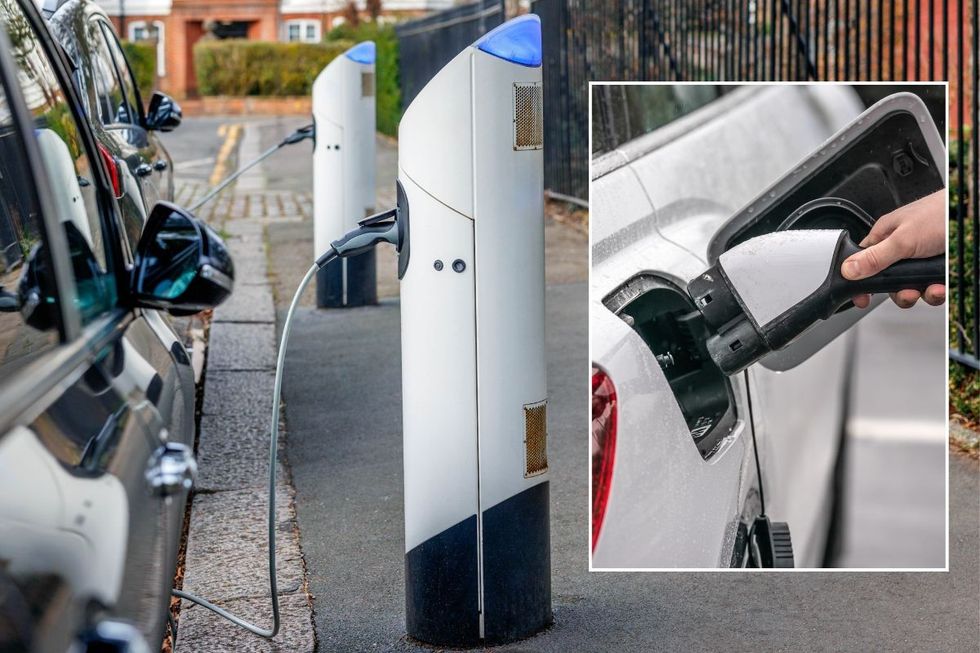
The report found drivers were put off EVs due to the charge point application fees costing between £500 and £3,000
| GETTY/PA"We have sometimes run a cable across the pavement," one respondent explained. "It doesn't really feel like a solution, but nobody has ever commented on it."
For the small number who had successfully installed cross-pavement systems, the experience proved overwhelmingly positive.
Users described the technology as safer, straightforward to operate, and transformative in cutting their charging expenses.
Another driver said: "A cable gully would be ideal. I have solar and off-peak electricity. It's cheaper for me, better for the grid, and avoids cluttering the street with chargers."
LATEST DEVELOPMENTS
Some respondents revealed they were postponing electric vehicle purchases entirely until such solutions became available.
Vicky Edmonds, CEO of EVA England, said: "Drivers are telling us the same thing again and again: the technology exists; the demand is there, but the system is getting in the way.
"Cross-pavement charging could unlock affordable home charging for millions of households, yet too many drivers are stuck waiting, paying more, or putting off going electric entirely.
"This consultation is a real opportunity to remove one of the most frustrating and unnecessary barriers drivers face. We hope the Government will act on it."
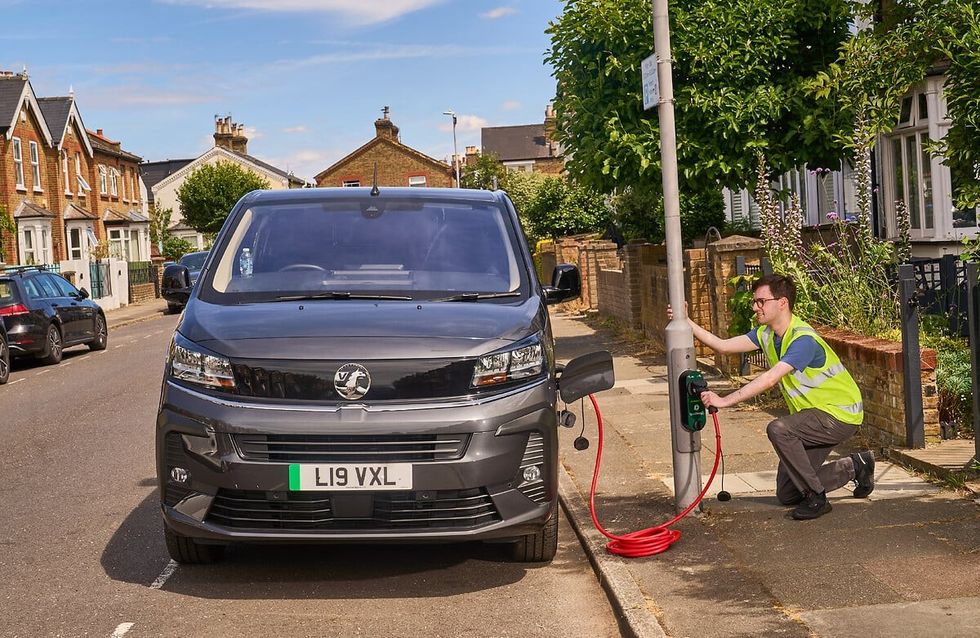
The survey found serious failings by local authorities to install charge points
|STELLANTIS
Ian Mackenzie, CEO of Trojan Energy, warned that without robust deployment of on-street charging solutions, 35 per cent of motorists who park on public roads risk being excluded from cheaper electricity rates, undermining the whole driver towards EV adoption.
Similarly, Michael Goulden, Co-Founder of Kerbo Charge, cited separate research showing 43 per cent of on-street parking drivers would be completely deterred from purchasing an electric vehicle if planning permission remained mandatory.
He suggested that approximately three million households could be permanently excluded from electric vehicle ownership without legislative change.
EVA England's submission to the Government consultation backs proposals to introduce permitted development rights for cross-pavement charging and associated domestic charge points, eliminating the requirement for planning applications.