










Motorists have been warned they could face fines of up to £1,000 for travelling in vehicles which produce excessively harmful emissions, breaching UK rules, according to new warnings.
Under the Road Vehicles (Construction and Use) Regulations, it is illegal to drive a vehicle on public roads if it no longer meets the emissions standards it was originally designed to achieve.
Penalties for Larger vehicles such as vans, lorries and buses can be even higher, reaching as much as £2,500 in some cases.
Insurance specialists have now urged motorists to watch out for warning signs that their vehicle may be breaching emissions rules.
TRENDING
Stories
Videos
Your Say
Vehicles with damaged or altered emissions control systems will automatically fail their MOT, as they could produce excessive smoke or be missing important pollution-control equipment.
Experts explained how there are several common signs that could suggest a car is producing more harmful pollutants than it should.
One potential warning is a rattling noise coming from underneath the vehicle, which could indicate a loose exhaust pipe or a catalytic converter that is beginning to fail.
Another red flag drivers should look out for is a strong fuel smell either inside the car or around the outside of the vehicle.
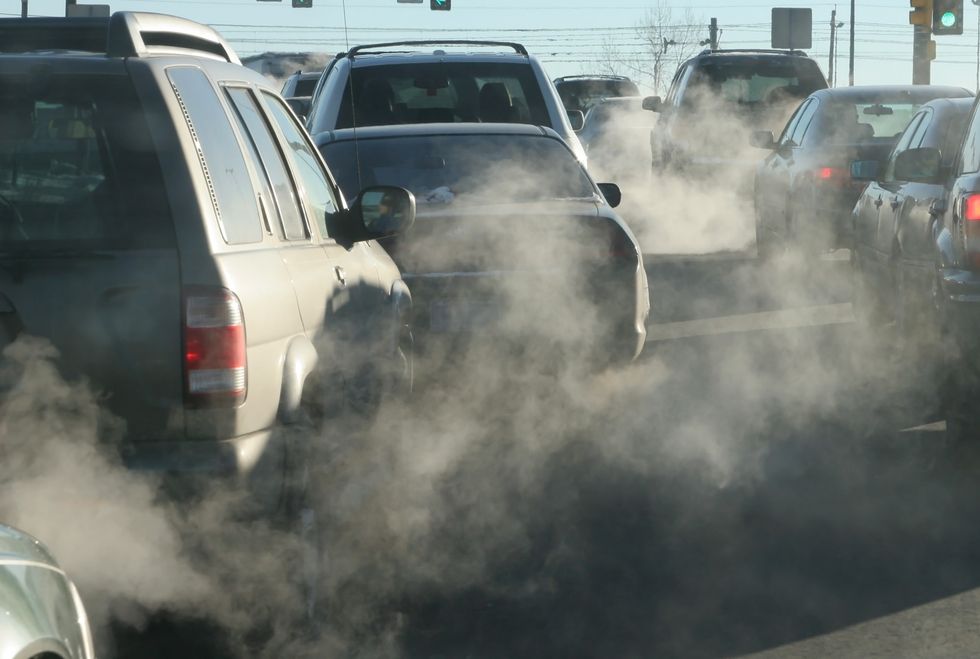
Drivers can be fined £1,000 for failing to ensure their vehicle meets the UK road emission rules
| GETTYIan Wilson, managing director and car insurance expert at Tiger.co.uk, said: "Many drivers don't realise vehicles which give off more harmful emissions than they should can lead to MOT failures and hefty fines.
"Components like diesel particulate filters and catalytic converters are there to reduce the amount of harmful pollutants being released into the air, so if they're not working properly or are tampered with, the vehicle may no longer meet legal emissions standards."
Smoke coming from the exhaust pipe could mean the engine is burning too much fuel, while blue-coloured smoke can indicate that oil is being burned inside the engine.
A diesel particulate filter warning light or the engine management light appearing on the dashboard may indicate problems such as a blocked filter or faults in the exhaust gas recirculation system.
LATEST DEVELOPMENTS
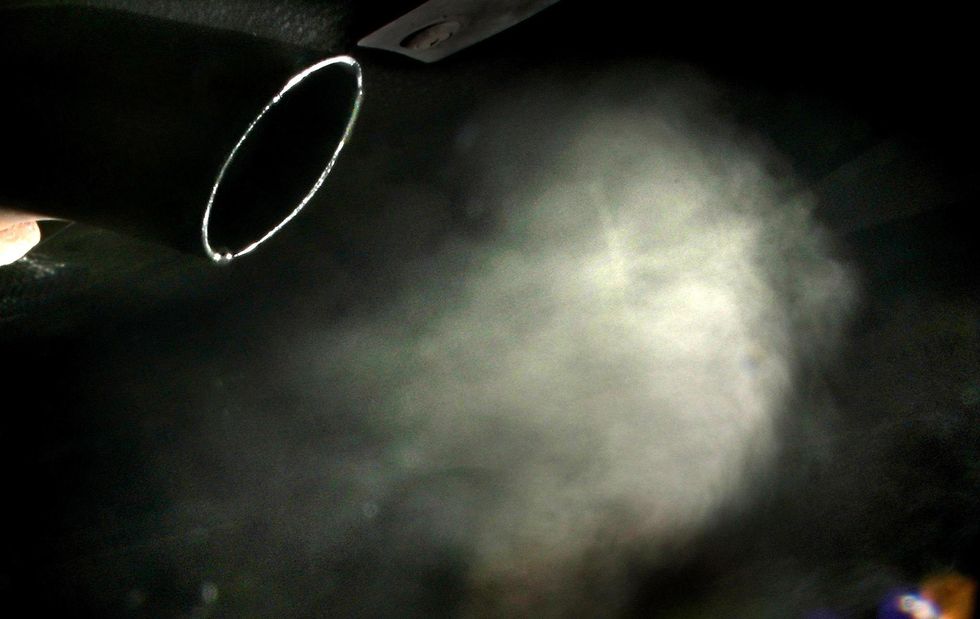
The Road Vehicles (Construction and Use) Regulations mandates vehicles must meet the emission standards
| PAMr Wilson added: "Common signs that a vehicle may be producing excessive harmful pollutants aren't always obvious at first, so we're urging drivers to pay attention to unusual rattling sounds, strong fuel smells, and DPF and engine management warning lights on the dashboard.
"Taking action early not only keeps the vehicle roadworthy and avoids fines, but it also reduces harmful air pollution and helps ensure your car insurance remains valid."
Poor fuel economy, slow acceleration or a rough-running engine can all be signs that fuel is not being burned efficiently, potentially producing more emissions.
Motorists who notice these warning signs are advised to have their vehicle checked by a professional mechanic as soon as possible.
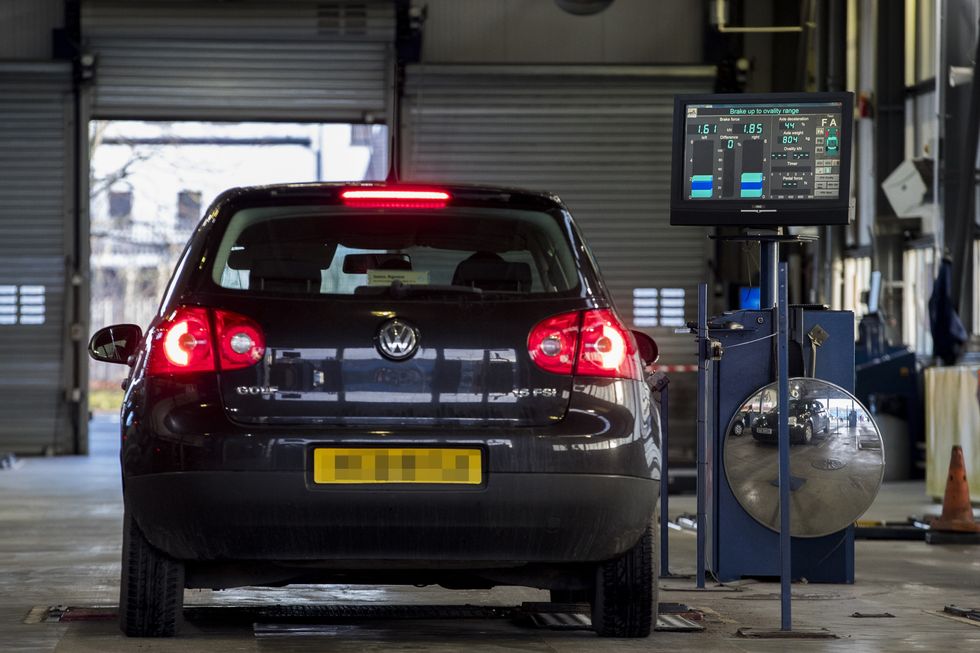
Experts detailed how emission problems can result in immediate MOT failures
| PADiesel cars rely on diesel particulate filters to capture soot produced by the engine and reduce pollution.
However, these filters can become blocked if a car is mostly used for short journeys, is not serviced regularly, or if the component has been removed or tampered with.
Petrol vehicles, however, use catalytic converters to convert harmful gases into less damaging substances before they leave the exhaust. Removing or altering these devices will almost certainly lead to an MOT failure.
Even when they have not been tampered with, catalytic converters can wear out over time or become contaminated by other engine problems, reducing their effectiveness.