









Labour's new plans to reduce the drink-drive threshold could impact thousands of mobility scooter users who could soon face tougher regulations.
Industry figures estimate between 300,000 and 350,000 mobility scooters currently operate across Britain, with numbers climbing annually.
This substantial population of users may be unaware that tightening drink-drive enforcement could directly affect them, experts have warned.
In the recently unveiled Road Safety Strategy, the Government announced plans to reduce the legal limit of alcohol to 22 micrograms of alcohol per 100 millilitres of breath, aligning the measures with Scotland and most of Europe.
TRENDING
Stories
Videos
Your Say
While public debate has centred on motorists and pub-goers, an unexpected question has emerged about what alcohol laws actually mean for those travelling on mobility scooters.
Seacroft Mobility has called for greater awareness of how existing rules apply to this often-overlooked group of road and pavement users, many of whom assume they operate outside standard traffic regulations.
Under the Chronically Sick and Disabled Persons Act 1970, mobility scooters fall into an unusual legal category known as "invalid carriages".
This classification means operators can be exempt from holding a driving licence, paying vehicle tax, or meeting the same insurance requirements as car drivers.
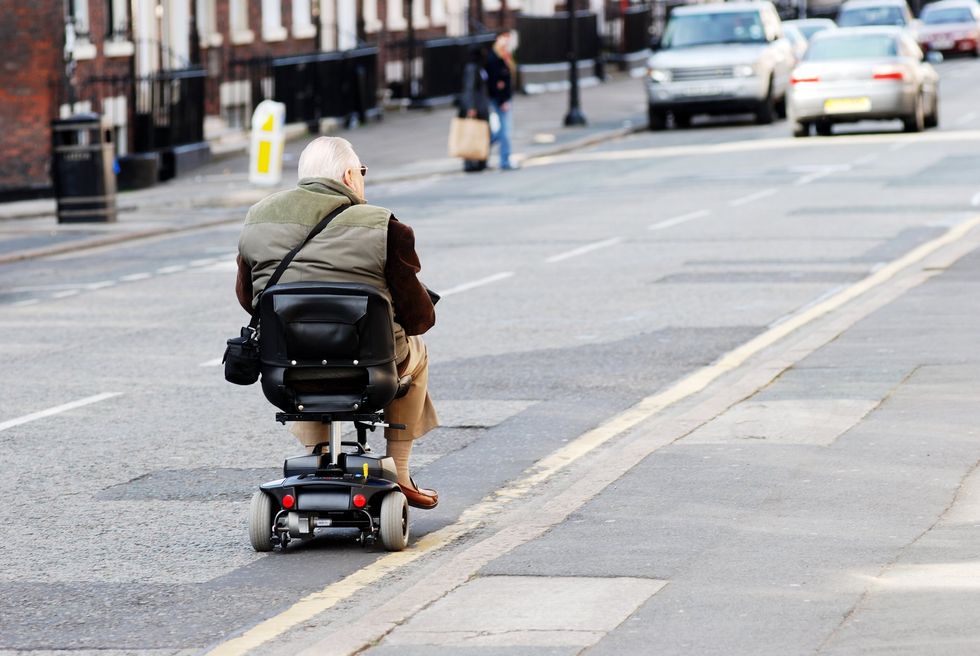
Under the Chronically Sick and Disabled Persons Act 1970, mobility scooter riders must obey driving laws
|GETTY
Over time, these exemptions have fostered a widespread belief that scooters exist entirely outside normal road regulations.
Despite their exemptions, mobility scooter users must still comply with the Highway Code, and operating a scooter while intoxicated can constitute a criminal offence.
Impaired judgement poses genuine dangers regardless of whether a vehicle travels at walking pace or motorway speeds.
Experts warned that just because the scooters are operating at lower speeds, "does not diminish the risks associated with alcohol consumption behind the controls".
LATEST DEVELOPMENTS
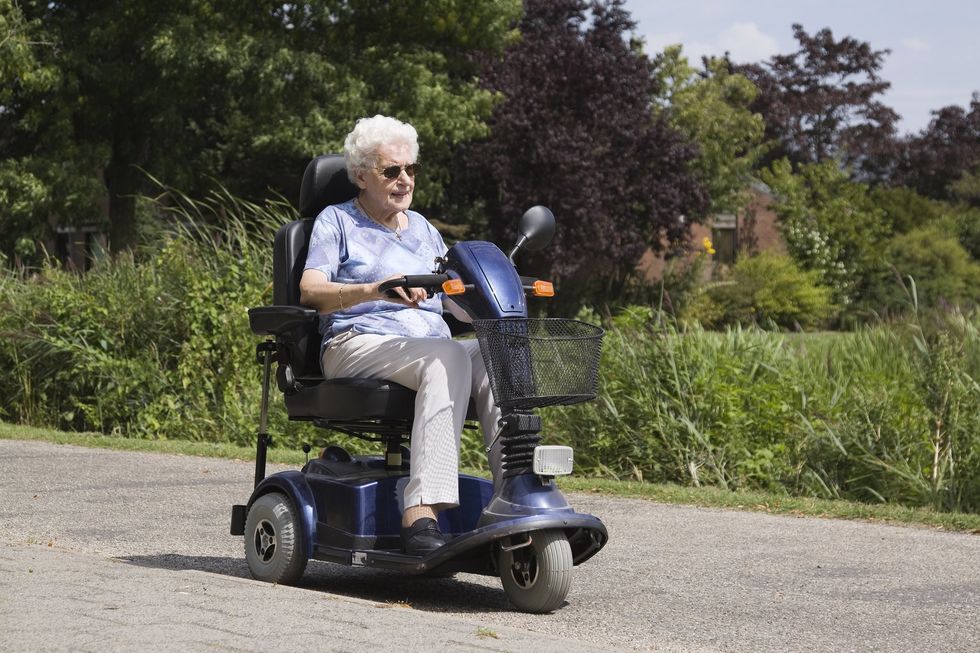
Experts warned that the drink-driving limits apply to mobility scooter users
|GETTY
Daniel Swain, mobility expert at Seacroft Mobility, stressed the importance of understanding these regulations before heading out.
He said: "Many people are genuinely surprised to learn that drink driving laws can apply to mobility scooters, and that lack of awareness can put users at real risk.
"Knowing the rules before you head out, particularly where alcohol is involved, is not about spoiling anyone's fun. It is about helping people stay safe, protected and confident when using their scooter."
With Government enforcement intensifying, experts have encouraged users to remain informed and exercise caution.
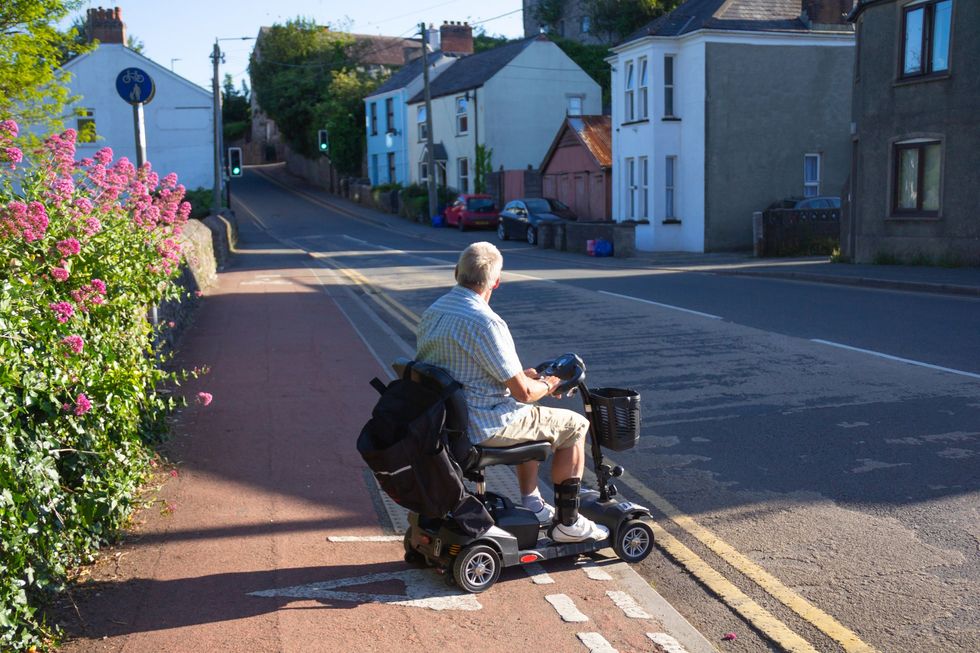 The Department for Transport has launched a new consultation on mobility scooter rules in the UK | GETTY
The Department for Transport launched a 12-week consultation earlier this year seeking views on how to modernise legislation governing powered mobility devices, including scooters and electric wheelchairs, which will close on March 31.
Current regulations date back nearly four decades and fail to reflect technological advances that have transformed these devices.
Simon Lightwood MP, Minister for Roads and Buses, stated: "Powered mobility devices give people independence and freedom, and the law should enable their safe use."
The consultation aims to examine several key areas, including replacing the outdated term "invalid carriages" with more respectful language, clarifying where devices can be used, and reviewing weight and speed restrictions.