










Millions of drivers could be impacted by new laws for mobility scooters as part of sweeping reforms to 40-year-old rules in place across the UK.
The Department for Transport has launched a consultation on modernising electric wheelchairs and mobility scooters following safety concerns.
The consultation, which will run for 12 weeks, comes after concerns that current legislation failed to acknowledge technological advances.
For example, some modern wheelchairs used by adults and children exceed the current maximum legal weight limit, meaning they can only legally be used on private land.
TRENDING
Stories
Videos
Your Say
Britons have been urged to share their views on how regulations should evolve to better support people who rely on powered mobility devices against the backdrop of prioritising pavements for pedestrians.
Simon Lightwood MP, Minister for Roads and Buses, said: "Powered mobility devices give people independence and freedom, and the law should enable their safe use.
"This consultation is a chance for users and organisations to help us modernise these outdated rules and ensure they meet today's needs."
The changes will specifically look at updating terminology in the law, replacing outdated terms such as "invalid carriages" with more relevant language.
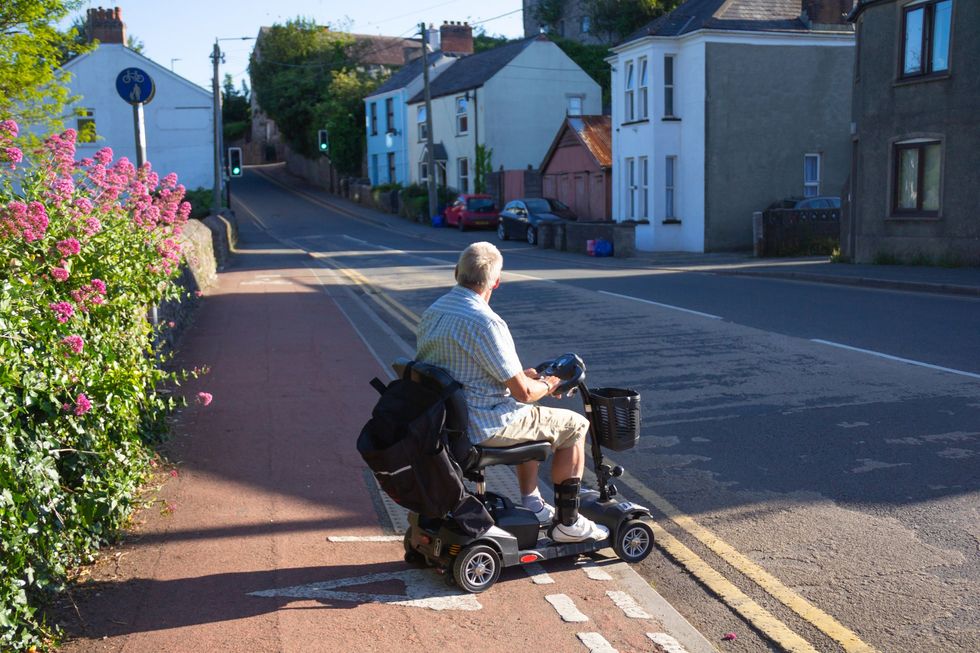
The Department for Transport has launched a new consultation on mobility scooter rules in the UK
|GETTY
It will also look to clarify where powered mobility devices can be used on roads, pavements, or other spaces, as well as what specific size, speed, and age requirements are necessary for larger devices.
Meanwhile, it will determine whether tandem devices should be permitted on UK pavements and roads.
Pavement parking has been highlighted as a serious concern in recent years, with Scotland most recently bringing in new laws to prohibit the practice across the country.
Authorities and charities have been calling for stricter rules for pavements in the UK, with safety concerns of parked cars, as well as electric bikes and scooters clogging up the pathway. The DfT said the consultation will determine whether devices, such as powered transporters, should be allowed on public roads or pavements.
LATEST DEVELOPMENTS

E-bikes have been found to clog up pavements across London
| PASir Stephen Timms MP, Minister for Social Security and Disability, said: "We are determined to break down barriers to opportunity for disabled people and improve access to assistive technology, as well as making sure that the laws around its use are up to date, is essential to this.
"I encourage disabled people to respond to the Department for Transport's consultation, so their views and voices are used to shape this policy."
Isabelle Clement, Director of Wheels for Wellbeing, welcomed the new consultation on modernising laws for "powered mobility devices".
"Over 10 million people in the UK have mobility-related impairments and existing laws create confusion, restrict market innovation and limit Disabled people's freedom to travel," she explained.
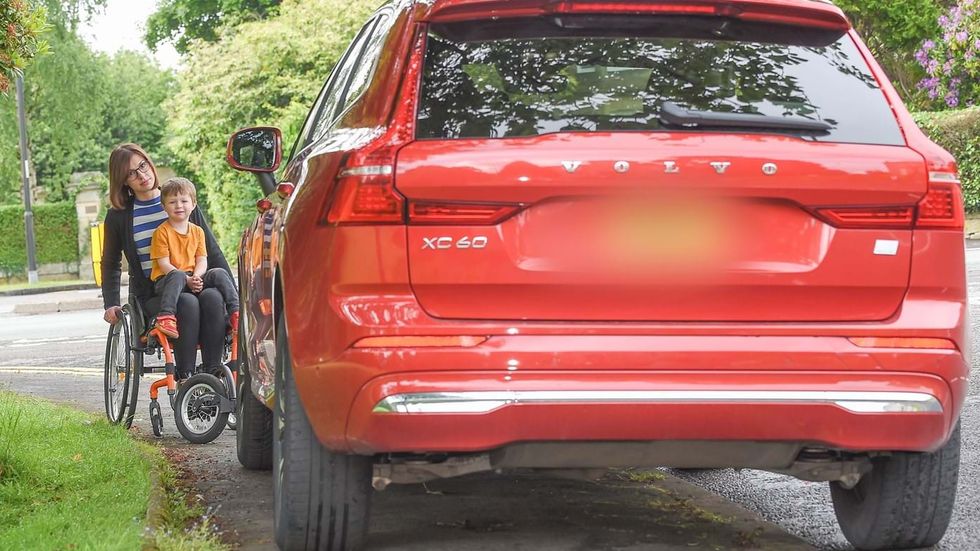
Drivers can be fined £100 if caught parking on pavements in London and Scotland
| STIRLING COUNCILMs Clement added: "New high-quality regulations that meet disabled people's needs will enable millions more Disabled people to legally use a growing range of existing and innovative safe, convenient, cost-effective, low-carbon mobility devices to move around our communities.
"This has the potential to improve the independence, physical and mental health, employment, educational and social options of Disabled individuals and our families across the UK."
Nick Goldup, CEO, Wheelchair Alliance CIC, stated that wheelchair users have been sidelined by "outdated legislation and offensive terminology".
The consultation will run for 12 weeks before closing on March 31, with the Government response published soon after.