







Drivers of petrol and diesel cars have been warned they will face significantly higher parking costs from next month after a Labour-run council approved sweeping fee increases of up to 49 per cent.
The changes, due to take effect from February 19, were signed off by Lambeth Council using delegated powers, meaning no full public consultation was required.
Under the new rules, diesel car owners will be hit hardest, with existing surcharges for these vehicles also rising alongside the base rate increases.
Motorists will learn of the changes through legal notices, press advertisements and updates on parking apps just weeks before implementation.
The steepest rises will apply in Central Lambeth and council-operated car parks, including the Popes Road facility in Brixton, where tariffs will jump between 28 and 49 per cent depending on how long vehicles remain parked.
Waterloo faces the most dramatic increases, with top-band hourly charges for diesel vehicles set to exceed £27. In some locations across the borough, diesel drivers could pay close to £20 per hour once the surcharge is factored in.
The council justified the additional levy on diesel vehicles on air quality grounds, arguing these cars produce more harmful emissions.
Other affected zones include Kennington, South Lambeth and areas north of the South Circular road. Even the lowest increases in South Lambeth start at 4.8 per cent, with charges escalating based on parking duration and vehicle type.
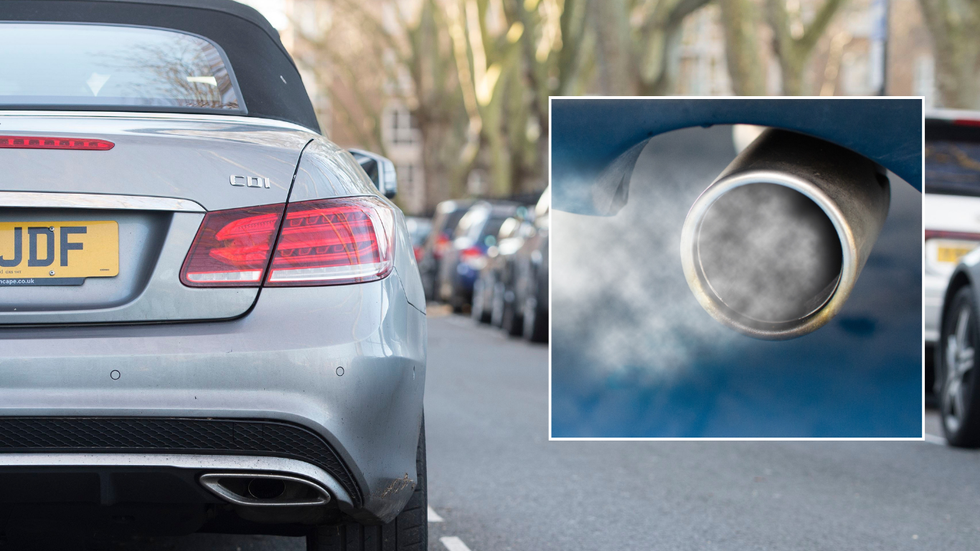
Under the new plans, top-band hourly charges for diesel vehicles will hit £27 in certain areas
| GETTY/READING BOROUGH COUNCILThe council frames the fee hikes as essential to meeting its Net Zero 2030 commitments and improving air quality across the borough.
Road transport accounted for approximately 24 per cent of carbon emissions in Lambeth, with private car use responsible for nearly half of on-road pollution.
The authority cited research from the London Councils suggesting that a 50 per cent increase in parking charges can reduce vehicle kilometres by more than 21 per cent.
Air pollution contributes to over 100 premature deaths annually in the borough and more than 750 emergency hospital admissions for heart and lung conditions, according to council figures.
LATEST DEVELOPMENTS
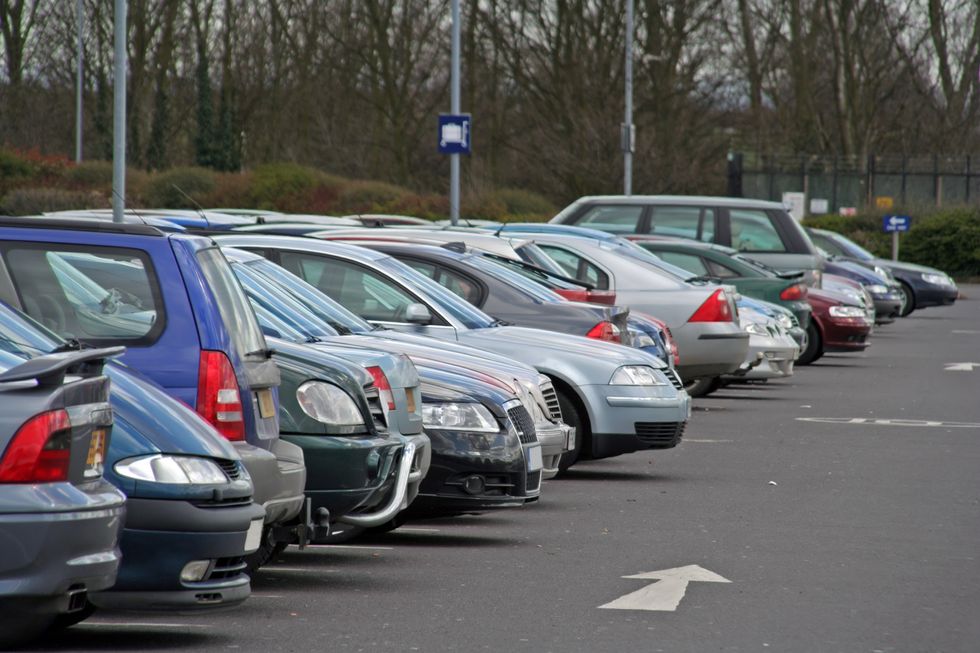
The council plans to introduce higher parking charges in February without the need to consult on the increase
| GETTYThe proposals align with Lambeth's Kerbside Strategy, which sets out principles that vehicles producing more greenhouse gases or pollutants should face higher charges.
The revised tariffs are projected to generate £2.82million in additional annual revenue, pushing total parking income to nearly £11.86million in 2026/27.
Council papers acknowledged that the Road Traffic Regulation Act 1984 does not permit authorities to set up parking charges primarily to raise money for general purposes.
Officials maintained the increases are designed to manage kerbside demand, discourage unnecessary car journeys and support the shift towards walking, cycling and public transport.
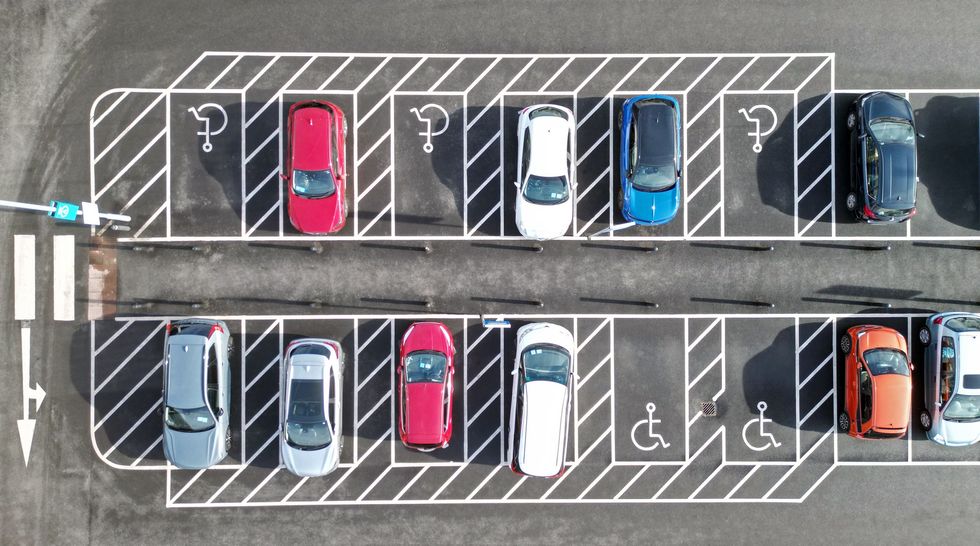
The council hopes the increase in parking charges would encourage drivers to give up vehicles in favour of EVs
| GETTYCouncil documents stated: "Lambeth's Air Quality Action Plan sets out measures to reduce harmful emissions from transport and focuses on promoting sustainable transport, reducing car ownership, encouraging cleaner low emission vehicles, improving air quality around schools, and expandinggreen infrastructure."
The council noted that Blue Badge holders will remain exempt from the charges and can continue parking for free in designated bays and council car parks.
Local residents have reacted angrily to the proposals, with many dismissing the environmental justifications as cover for revenue generation.
One social media commenter accused the council of "making life even more difficult and stressful for residents" and highlighted the impact on tradespeople, noting that parking permits for vans cost over £30 per day.