




A London physiotherapist and mum-of-two has opened up about her breast cancer journey, revealing that medically-induced menopause has been tougher to endure than chemotherapy itself.
Anj Periyasamy was just 37 when she received her triple positive breast cancer diagnosis back in March 2022 – despite initially being told by a doctor that she was "too young" for the disease.
Now 41, she's speaking out about the hidden struggles that come after treatment ends, noting: "Menopause sucks, it sucks big time. There are so many facets to it that nobody talks about."
Her particular form of breast cancer is fuelled by hormones, meaning she needs to keep her ovaries essentially dormant – which rules out using HRT to manage her symptoms.
TRENDING
Stories
Videos
Your Say

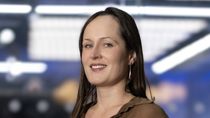
The mother-of-two was told she was too young for cancer
|PA
Before her diagnosis, the only warning sign Anj noticed was feeling "knackered" – something she blamed on caring for her two young daughters, Jasmin and Maya, who were five and two at the time.
When she discovered a lump on the underside of her breast, she thought it was probably nothing serious, but something felt off.
A virtual GP appointment led to an in-person examination at a central London clinic, where the breast surgeon agreed it was likely nothing and that Anj was "too young" for breast cancer.
Still, the surgeon recommended a mammogram, ultrasound and biopsy just to be safe.
Within a week, Anj was sent for an MRI. She looked the specialist directly in the eye and asked: "Is this sinister or not? Just tell me straight."
When the breast surgeon confirmed her fears, Anj's immediate thought was for her children.
"But it can't be. What about my children? I have to be around for my kids. They're so little," she remembered saying.
What followed was an intensive six months of treatment. Anj underwent 16 rounds of chemotherapy, a double mastectomy with breast reconstruction, and 15 sessions of radiotherapy.
LATEST DEVELOPMENTS
She also received 14 rounds of IV Herceptin to stop tumour growth and six rounds of IV bisphosphonates to strengthen her bones.
Monthly injections of Zoladex and Letrozole kept her hormone levels suppressed and maintained her medical menopause, though she later switched to Tamoxifen after two years because the side effects were "horrid".
The chemotherapy took its toll, and she lost her hair, eyelashes and eyebrows, her fingernails turned black, and she experienced severe fatigue and "chemo fog".
Yet Anj says the menopause symptoms have been even harder to cope with than the cancer treatment itself.
"I cried in front of my oncologist, and I was just like, 'This is unbearable, and I just can't do this. I'm drenched (in sweat from hot flushes) half the time. My tendons are painful. It's affecting my mood," she said.
The tendon pain meant she couldn't exercise properly, and sitting for just 20 minutes would leave her walking "like a penguin".
Then there's the rage – something completely out of character for someone who describes herself as normally placid and chilled.
"I used to get so angry about the girls bickering, and I'd just go from zero to 100 really quickly," she explained.
Because her cancer was hormone-fed, HRT isn't an option, and she can't even use certain herbal supplements.
Four years on from her diagnosis, Anj is now sharing her story through Trekstock Cancer Support's photography exhibition, titled "Are You Better Yet?".
She initially connected with the charity through social media, planning to help create exercise programmes for cancer survivors in her professional capacity as a physiotherapist.
But the charity invited her to participate in the exhibition instead.
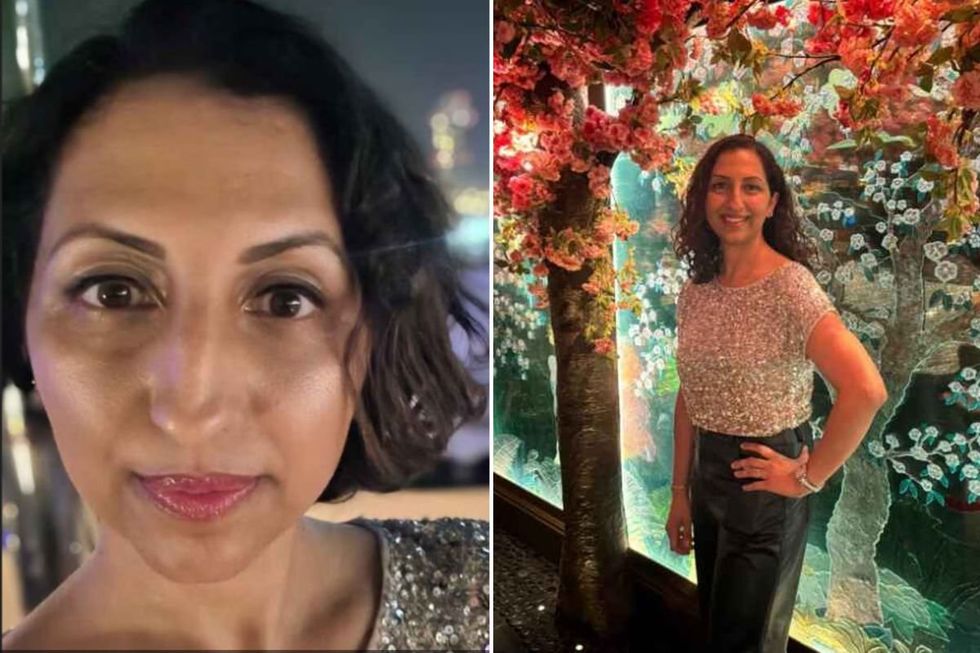
Anj was diagnosed with a form of cancer fuelled by hormones
|PA
"I think (the exhibition) is a much-needed type of platform to raise awareness," she said.
For Anj, visibility matters deeply. She wants to represent young South Asian women facing similar journeys.
"There's not enough education out there, there's not enough awareness, and there's not enough people that look like me – young brown women," she explained.
Her hope is that her daughters will one day feel proud and empowered by her story, learning "how to get through a life crisis, then survive and thrive afterwards".
Our Standards: The GB News Editorial Charter