





Drivers could be forced to follow new traffic rules on UK roads after research revealed serious flaws in existing legislation, which risk impacting pedestrian safety.
Data shows growing interest in allowing pedestrian crossings to have more time for use so certain Britons can cross safely.
This would be particularly important for people with mobility issues and older pedestrians who often need a longer time to cross safely.
Campaigners and road safety experts have started pushing for changes that would require longer green man signals at crossings, giving slower walkers more time to cross safely.
TRENDING
Stories
Videos
Your Say
A new report by the Universities of Bath, Birmingham and Exeter found the time allowed at UK pedestrian crossings is, on average, more than two seconds shorter than many older people actually need.
This shortfall is particularly troubling for those with mobility problems, who often struggle to reach the other side before the lights change.
The study found that just 1.5 per cent of older adults with mobility issues were able to walk fast enough, at their normal comfortable pace, to cross the road within the time currently allowed by standard pedestrian signals.
Researchers analysed the walking speeds of 1,110 adults aged 65 and over, with the findings revealing that the average walking speed recorded was 0.77 metres per second, well below the 1.2 metres per second speed assumed by most pedestrian crossing designs in the UK.
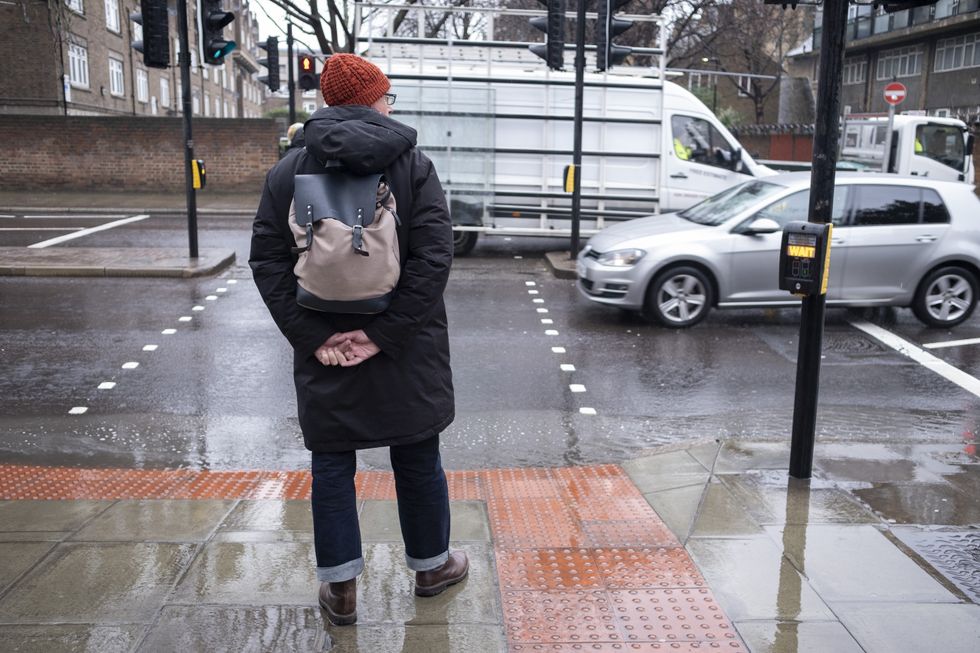
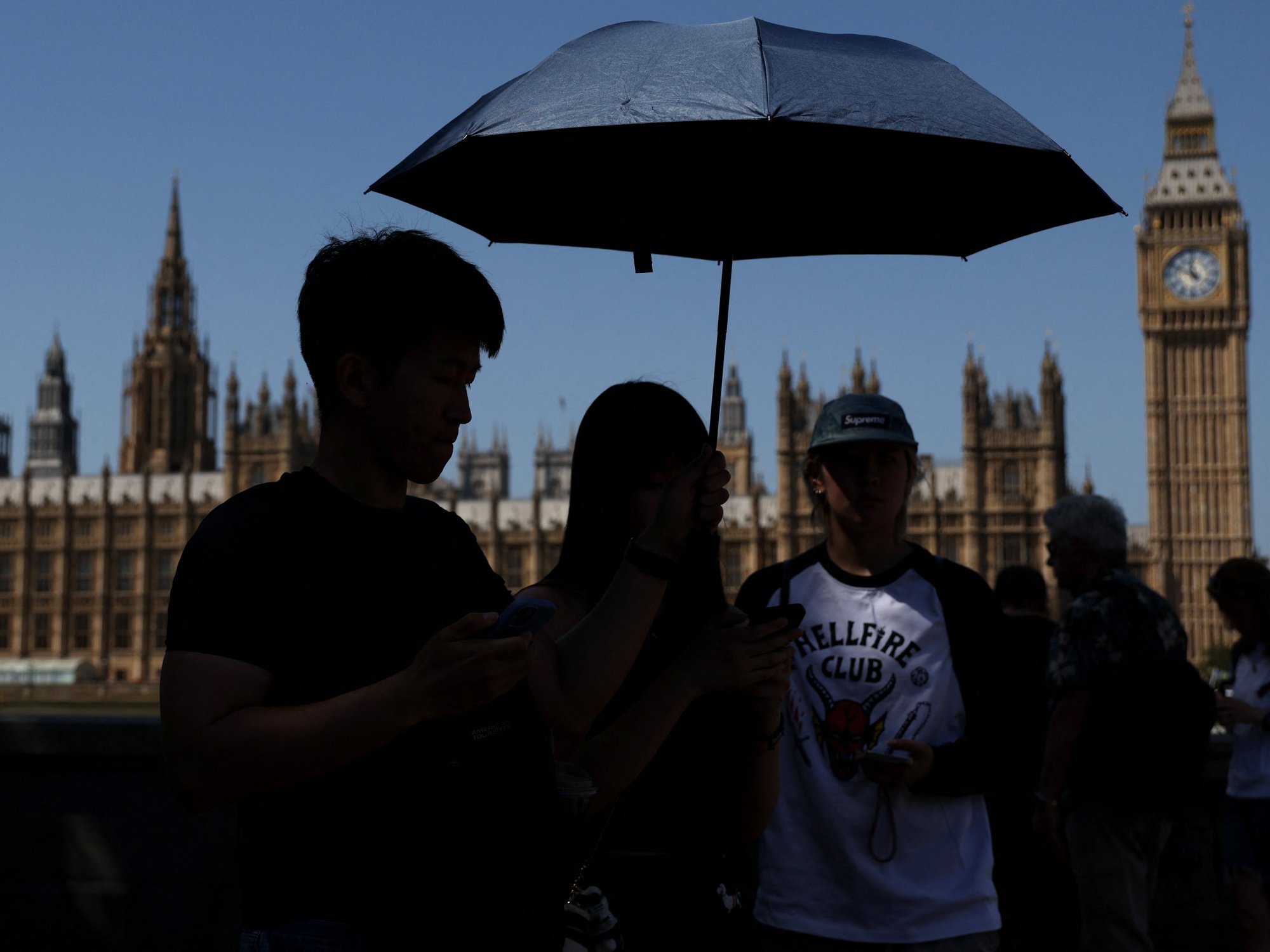
Reports recorded pedestrian crossings being more than two seconds shorter than required by older people
| PAIn real-world terms, the report detailed how this means the average older participant would take 6.5 seconds to cross a five-metre road, more than two seconds longer than the time typically provided by the green crossing signal.
Dr Max Western, from the University of Bath's Centre for Motivation and Behaviour Change, warned that current road layouts are failing older people.
He said: "Current crossing times might be unrealistic for many older people who face challenges with their mobility.
"This isn't just a safety issue - it's potentially a barrier to independence, physical activity, and social connection, all of which often decline in later life."
LATEST DEVELOPMENTS
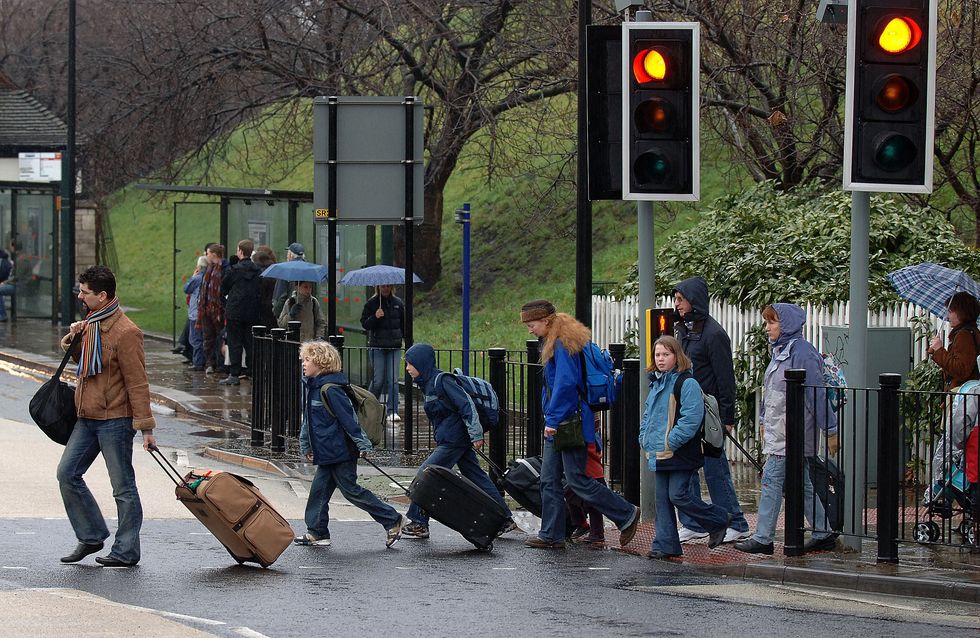
Stats found that the oldest age groups were most at risk of casualties due to crossing times
| PAThe research also found that older age, reduced strength and poorer balance were strongly linked to slower walking speeds.
Alarmingly, more than half of those tested would need to increase their usual walking speed by 50 per cent or more just to cross an average road in the time currently allowed.
Professor Afroditi Stathi, from the University of Birmingham, said small changes to street design could make a major difference to the lives of older people.
She said: "Older adults often face challenges staying active and connected, especially when mobility is reduced. Designing outdoor spaces that work for everyone - such as allowing enough time to cross the road - can boost confidence, support independence, and help them remain engaged in their communities - all key to a better quality of life."
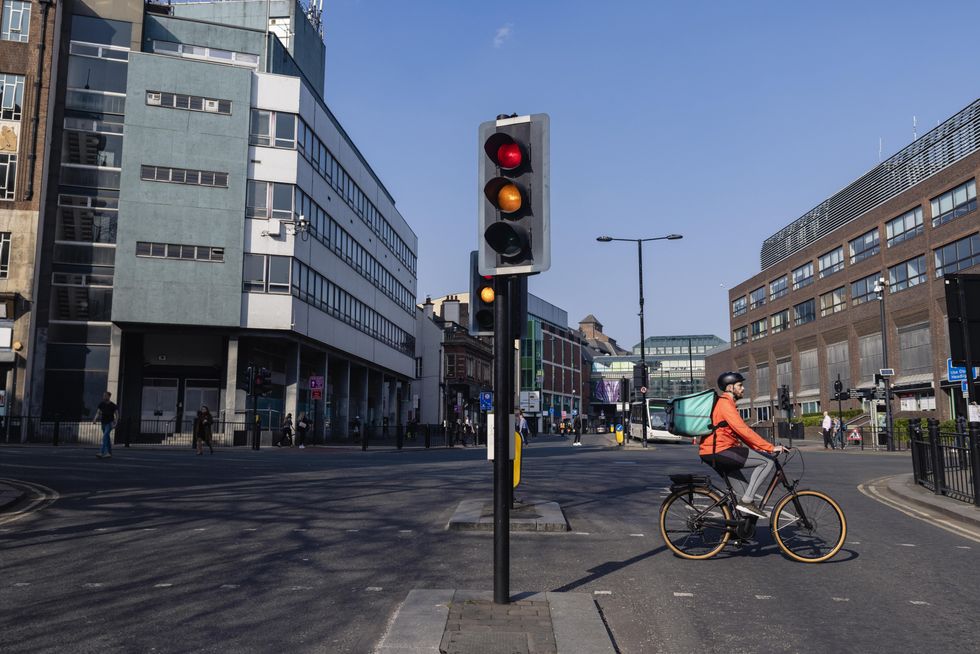
The report called on the Government to increase the crossing time at traffic lights
| GETTYThe researchers have called for crossing times to be recalculated based on a more realistic walking speed of 0.7 metres per second, which they argued would allow far more elderly pedestrians to cross safely and confidently.
The study detailed: "Concerns about completing a pedestrian crossing or forcing people to walk faster than their comfortable walking pace may lead to an increased risk of injuries or falls, or a reduction in confidence to get out and about.
"Reduced outdoor mobility would likely lead to reductions in community engagement, increased risk of social isolation and loneliness, and a quicker transition to severe frailty."