






One of the UK's leading classic car organisations has pledged to respond to the Government's new road safety plans if drivers believe the sector could be impacted.
Labour finally unveiled the Road Safety Strategy last week after consistent pledges to roll out new measures to protect motorists, pedestrians and other road users.
The Strategy, which is the first to be released in more than a decade, outlines plans to require elderly drivers to take mandatory eye tests once they turn 70, as well as opening the door for "cognitive tests".
Other measures include lowering the drink-drive limit, introducing a minimum learning period for learner motorists, and raising the amount that drivers can be fined for certain motoring offences.
TRENDING
Stories
Videos
Your Say
Data from the Department for Transport highlights that an average of four people were killed every day on roads across Great Britain in 2024.
To combat this, the measures will help the Government achieve its goal to reduce deaths and serious injuries on Britain's roads by 65 per cent by 2035.
Transport Secretary Heidi Alexander described the new measures as being "decisive action" and would save "thousands of lives over the coming decade".
The Federation of British Historic Vehicle Clubs (FBHVC) acknowledged that the proposed changes to improve road safety were beneficial for motorists and pedestrians.
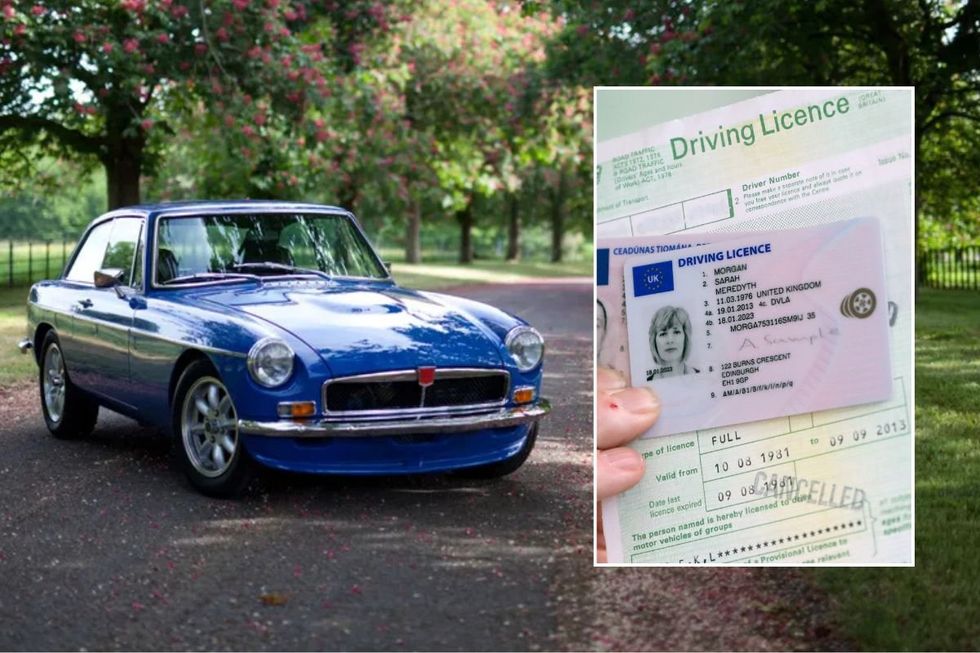
A leading classic car organisation said it would respond to road safety plans if drivers are impacted
|GETTY/PA
While the Road Safety Strategy did not include any explicit references to classic cars, the Federation set out its plans.
Lindsay Irvine, legislation director at the organisation, said: "The FBHVC is traditionally supportive of well-conceived safety initiatives, but as with all such consultations, the Federation will examine these in fine detail, and consider them in the context of historic vehicles.
"Should we consider that any elements of the proposals being consulted on might unjustifiably harm the operation of any of the many historic vehicle types that our 250,000 affiliated members use on the roads, then we shall not hesitate to respond appropriately."
Over the past 10 years, the classic car organisation has responded to 38 Government consultations to protect owners.
LATEST DEVELOPMENTS
It said this was being done to "uphold the freedom to use historic vehicles - of all types - on the road without restriction".
The Federation, which represents more than 550 vehicle clubs, museums and their members, has launched unique consultations to hear from classic car owners across the UK.
It found that the sector continues to grow and contributes an impressive £7.3billion to the UK economy each year.
The 2025 National Historic Vehicle Survey (NHVS) also revealed that the classic car industry supports 34,500 skilled jobs, but called for changes to support its future.
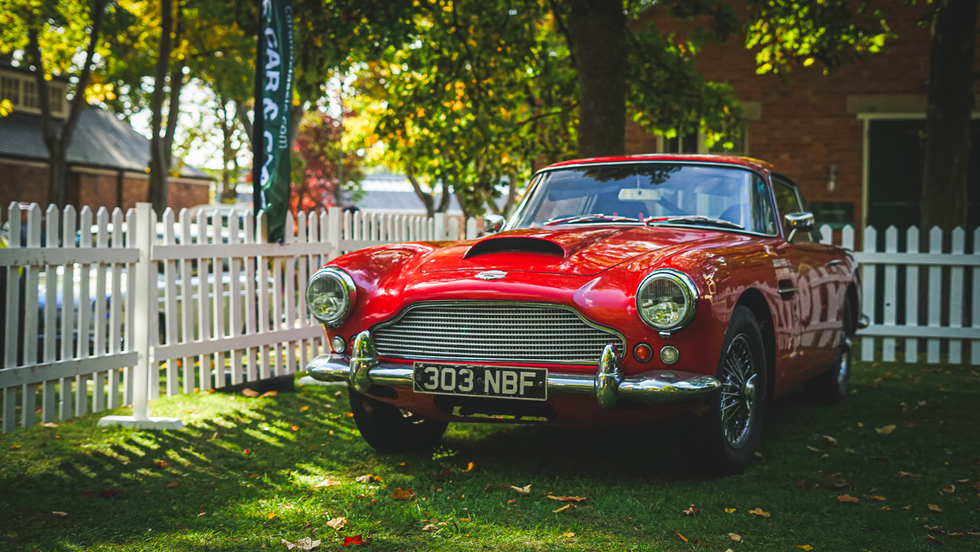
The FBHVC is one of the most vocal historic vehicle industry organisations
| CAR AND CLASSICIt warned that the average owner of a classic car is in their 60s, and that younger generations needed to get involved in the sector, both as restorers and engineers.
There are almost two million classic cars on the road, according to the DVLA, with owners spending an average of £4,567 every year to maintain their vehicles.
The FBHVC recently called on the Government to ensure that the rollout of self-driving vehicles could share the road safely with historic cars.
It argued that the introduction of automated vehicles must not "result in any restrictions on, or segregation of other road users".