










Electric vehicle batteries do not degrade as quickly as motorists believe, with new data showing that other factors have a large impact on battery health.
A new report has revealed that the average annual electric vehicle battery degradation rate is 2.3 per cent, proving that modern EV batteries are coping well with demand from drivers.
Geotab analysed more than 22,700 electric vehicles across 21 makes and models to find that the degradation rate has increased slightly from 1.8 per cent in its 2024 findings.
The findings stated that this was down to an increase in the use of high-power DC fast charging, with drivers of these vehicles relying on this type of charging more often.
TRENDING
Stories
Videos
Your Say
High-power charging, which provides speeds of more than 100kW, leads to degradation rates up to twice that of low-power charging every year.
Despite this, 11 of the most common electric vehicle models that were tested averaged a degradation rate of 1.8 per cent, likely due to advancements in battery technology.
The state of health data showed that the average battery is projected to have 81.6 per cent of its original capacity after eight years.
Vehicles where DC fast charging makes up less than 12 per cent of total charging sessions see an average annual degradation of 1.5 per cent.
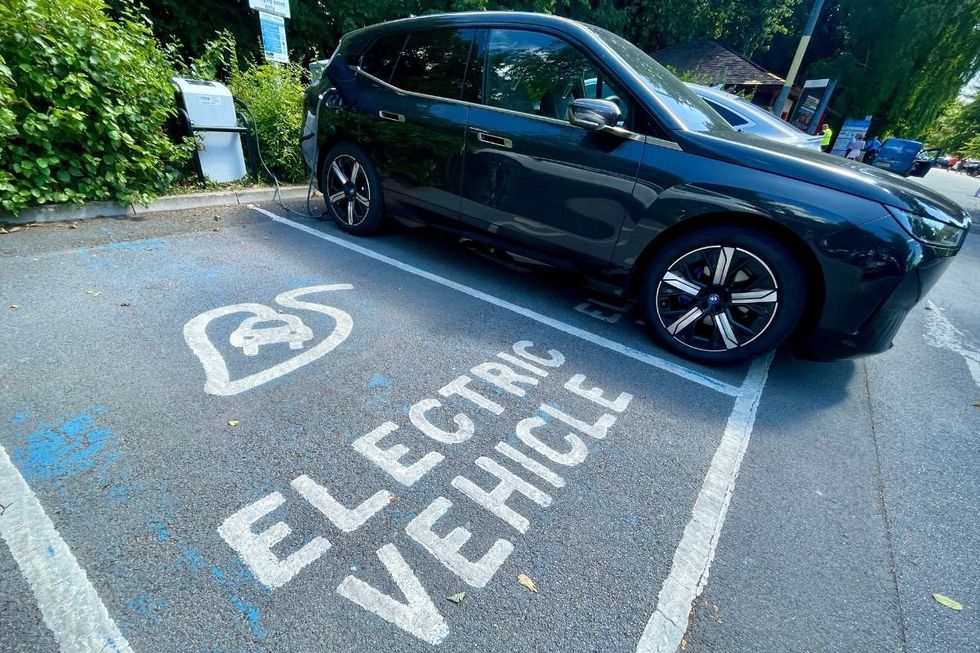
New data has shown how varying factors impact the health of an electric vehicle battery
|GETTY
In comparison, those who fast charge more than 12 per cent of the time will see an annual degradation rate of 2.5 per cent, bringing the state of health to below 92 per cent after three years.
Charlotte Argue, senior manager of sustainable mobility at Geotab, said: "EV battery health remains strong, even as vehicles are charged faster and deployed more intensively.
"Our latest data shows that batteries are still lasting well beyond the replacement cycles most fleets plan for.
"What has changed is that charging behaviour now plays a much bigger role in how quickly batteries age, giving operators an opportunity to manage long-term risk through smart charging strategies."
LATEST DEVELOPMENTS
Many drivers also falsely believe that extreme weather conditions have a greater impact on battery health than they actually do.
The Geotab report noted that, while hot climates "impose a penalty" on the state of health, it represents a degradation rate of just 0.4 per cent more than mild climates.
It also highlighted that drivers do not need to strictly follow the rule of ensuring the battery level is kept between 20 and 80 per cent.
People who allow their battery to be below or above these thresholds for more than 80 per cent of the time will see their degradation rate climb to around two per cent a year.
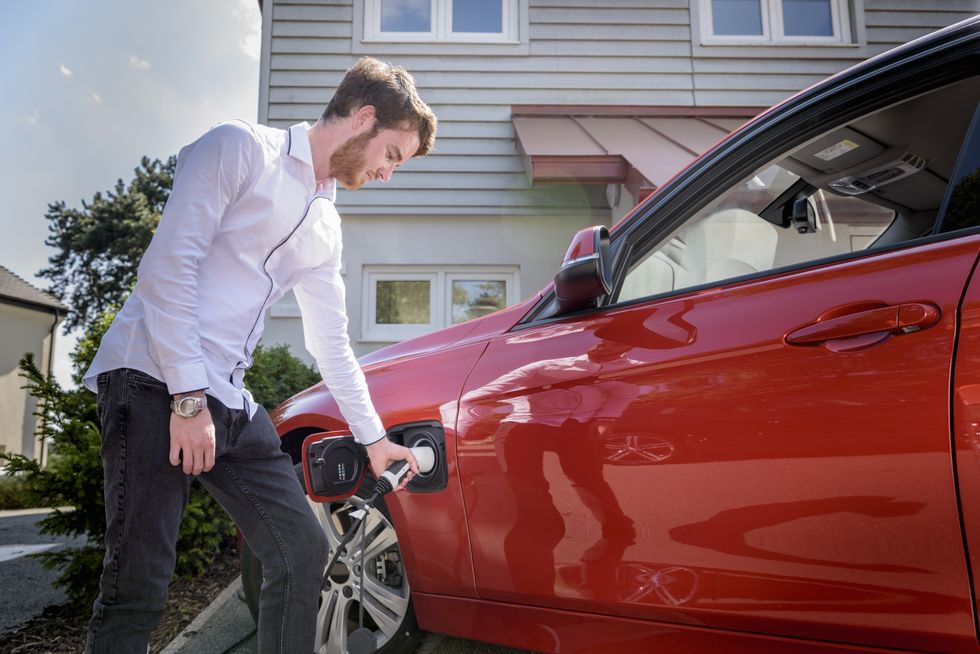
Drivers who charge their EVs using slow chargers more often will see the battery degrade at a lower rate
| GETTYArgue continued, saying: "Using the lowest charging power that still meets operational needs can make a measurable difference to long-term battery health without limiting vehicle availability."
The frequency of charging also has an impact on the health of the battery, especially when covering long distances, requiring more frequent charging sessions.
People who only need to charge their vehicles every week or more will see their battery health fall to around 95 per cent after three and a half years.
However, drivers who rely on a "high charge cycle", which is the equivalent of charging every one to two days, will see the state of health drop to 92 per cent in the same time period.