







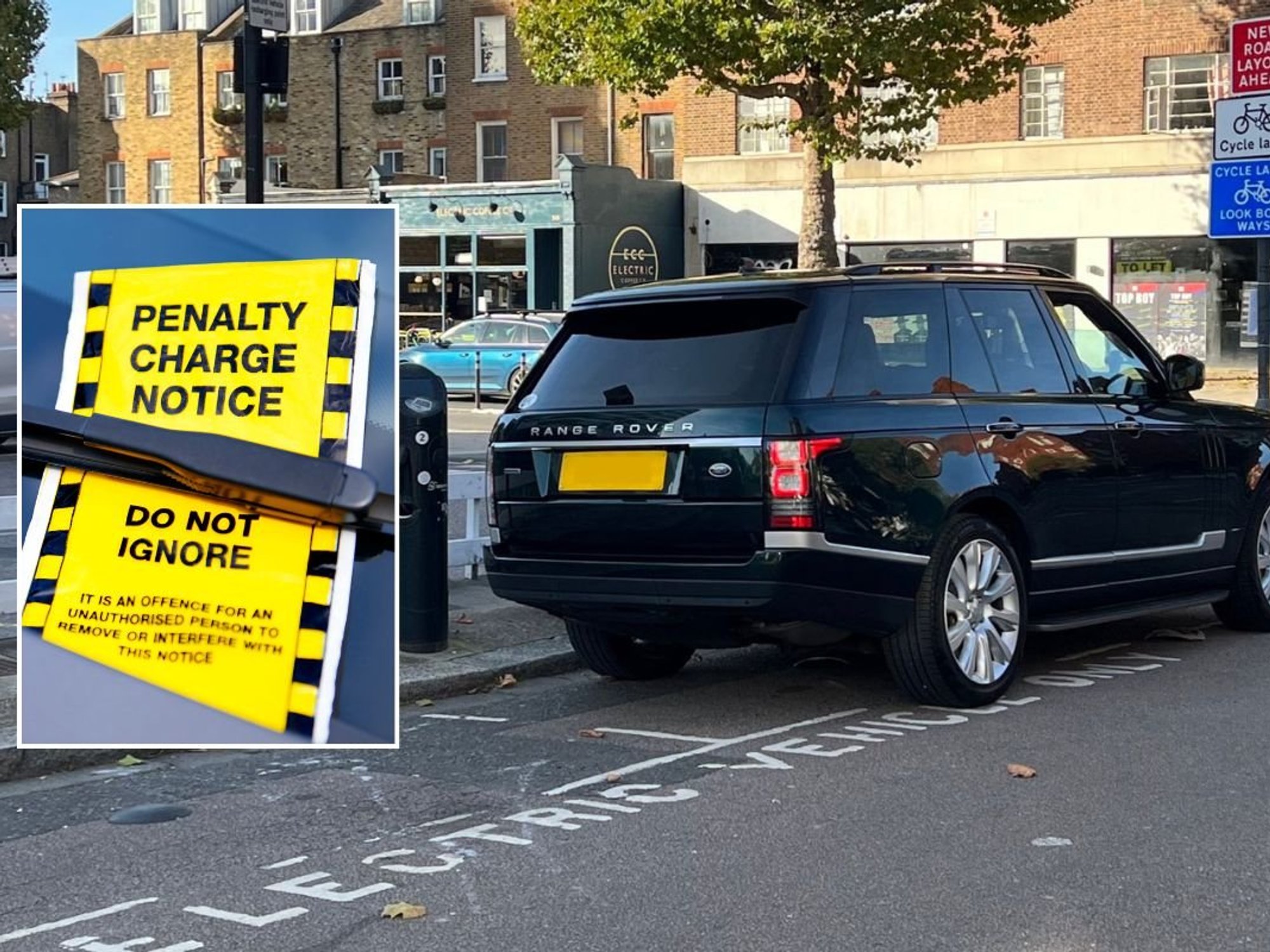


Rachel Reeves' Autumn Budget measures are set to create significant headwinds for car owners, with industry analysts warning nearly one million motorists could face a "double whammy" of increased costs.
The Chancellor's tax changes combine a rise in fuel duty with the introduction of a new pay-per-mile tax targeting electric and plug-in hybrid vehicles, potentially affecting 982,000 drivers.
The Government announced plans in November to bring in Electric Vehicle Excise Duty, a mileage-based charge for battery electric and plug-in hybrid cars, from April 2028.
Drivers will be required to pay this levy on top of their existing Vehicle Excise Duty, in a bid to address waning fuel duty revenues.
TRENDING
Stories
Videos
Your Say
Despite these looming tax changes, hybrid vehicles enjoyed robust sales throughout 2025, according to figures from the Society of Motor Manufacturers and Traders.
Plug-in hybrid registrations surged by 34.7 per cent compared to the previous year, capturing 11.1 per cent of the overall market.
Traditional hybrid electric vehicles also performed well, with volumes climbing 7.2 per cent to secure a 13.9 per cent share of new car sales.
Sheena McGuinness, co-head of energy and natural resources at RSM UK, said: "We could start to see the demand for hybrid vehicles taper off following the post-budget double whammy, which sees drivers hit with an increase in fuel duty, plus a new road tax for EVs and hybrids."
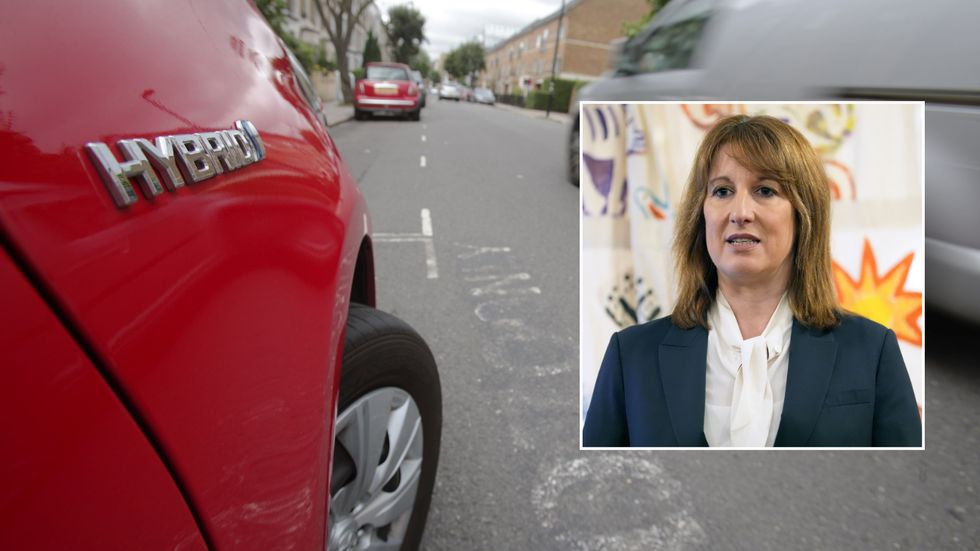
Under the new tax plan, it could impact 982,000 hybrid drivers in the UK
|PA
Under the new eVED system, the Government has confirmed electric vehicle owners will pay approximately £240 per year, equivalent to roughly £20 monthly.
This rate represents about half the fuel duty burden faced by typical petrol and diesel drivers, with plug-in hybrid motorists set to receive a reduced rate.
The Treasury emphasised privacy protections will be built into the scheme, meaning there will be no requirement for drivers to report journey locations or times, nor any obligation to fit tracking devices to vehicles.
Revenue generated from the new charge will be directed towards road maintenance, with the Government pledging over £2billion annually by 2029-30 for local authorities to repair potholes and renew road surfaces.
LATEST DEVELOPMENTS
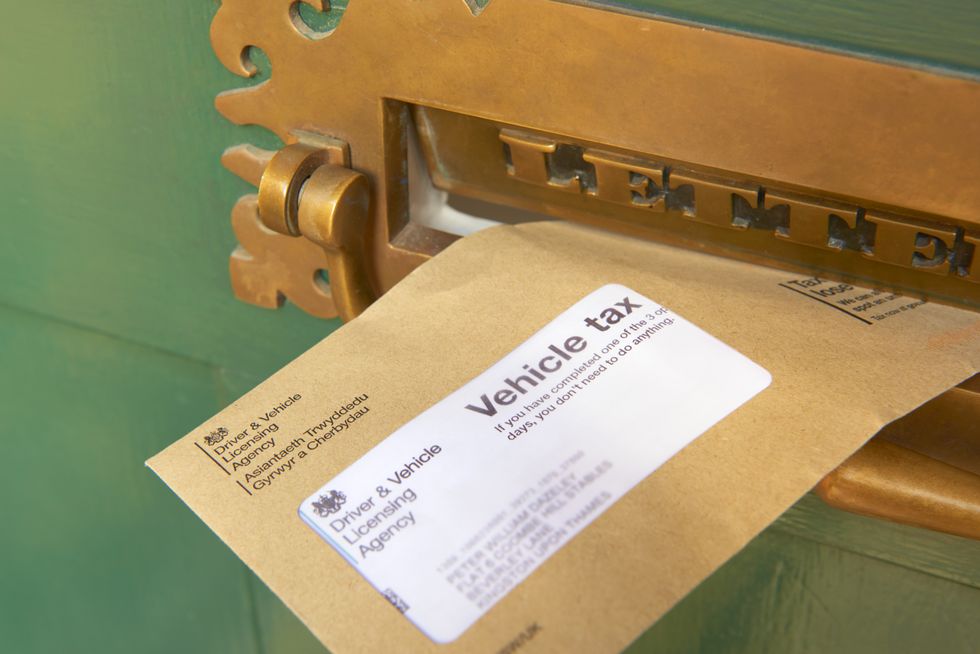 The new tax changes will see EV drivers pay 3p per mile and 1.5p per mile for plug-in hybrids | GETTY
Ms McGuiness said: "It will be interesting to see whether these policy changes encourage drivers to switch to fully electric motoring or whether we see demand revert to petrol cars."
The RSM partner also pointed to developments on the continent as a potential factor in buyer behaviour.
"However, following the EU's decision to relax its ban on the sale of new petrol and diesel cars, UK consumers might hang tight to see if the UK Government changes course too," she added.
The expert warned any hesitation in purchasing decisions would deal a significant blow to new car registrations, manufacturing investment and infrastructure spending, ultimately threatening Britain's ambitious Zero Emission Vehicle mandate.
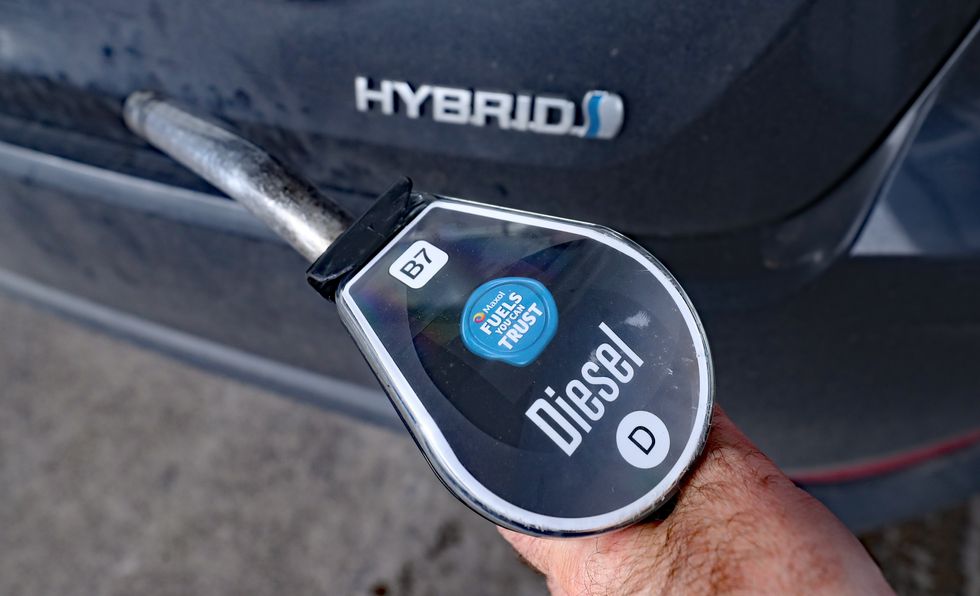
Under the new rules, hybrid cars will be charged per mile alongside fuel costs
| PAThe motor industry's trade body also expressed frustration at what it perceives to be contradictory messaging from ministers.
Mike Hawes, SMMT chief executive, said: "Government has stepped in with the Electric Car Grant, but a new EV tax, additional charges for EV drivers in London and costly public charging send mixed signals.
"Given developments abroad, Government should bring forward its review and act urgently to deliver a vibrant market, a sustainable industry and an investment proposition that keeps the UK at the forefront of global competition."
Manufacturers have been subsidising electric vehicle sales by more than £5billion in 2025, averaging £11,000 per battery electric car registered, a level the industry considers unsustainable.