









A major authority has been warned that weak enforcement of pavement parking bans is putting vulnerable pedestrians at serious risk, with tougher action required to address the growing problem.
Walking Scotland and Living Streets Scotland warned how vehicles left on pavements are forcing disabled people, parents and older residents into busy roads, creating dangerous situations that could be easily avoided.
The groups have published a joint manifesto ahead of the 2026 Holyrood election, calling on political parties to ensure pavement parking bans are fully enforced by every local authority in Scotland.
Although pavement parking restrictions are already in place in many areas, the charities argued that patchy enforcement has allowed the problem to continue unchecked.
TRENDING
Stories
Videos
Your Say
They warned cars parked on footpaths block access for people using wheelchairs, mobility scooters, walking frames and prams, making everyday journeys stressful and unsafe.
The charities use the term "wheeling" to describe anyone moving at a walking pace with mobility equipment, including wheelchair users, people with buggies and those using frames or scooters.
When pavements are blocked, these people are often left with no choice but to step into the road to get around parked vehicles. The manifesto detailed how children, elderly people and disabled residents are the worst affected.
For someone pushing a pram or using a wheelchair, even a single car parked across a pavement can turn a short trip into a hazardous obstacle course.
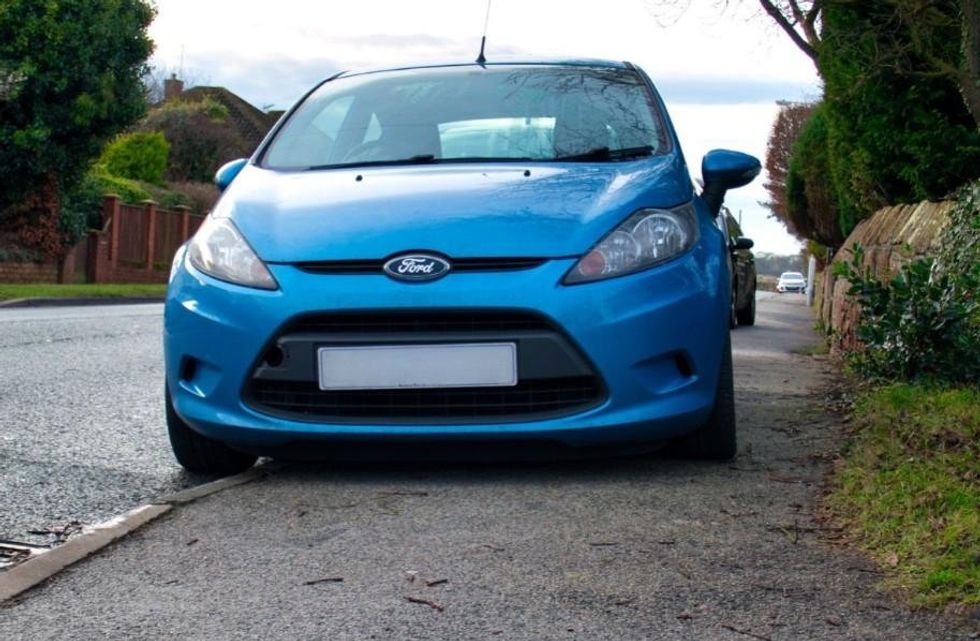
The charities warned 'patchy' enforcement has caused pavement parking to continue causing a problem
| BRACKNELL FOREST COUNCILThe charities argued proper enforcement of pavement parking bans would greatly improve safety and accessibility for pedestrians across Scotland.
Research from Walking Scotland's 2023 national survey found that people were more likely to walk or wheel if pavements felt safer and easier to use.
Around 85 per cent of people in Scotland already walk or wheel daily or several times a week, but many say poor pavements and parked cars stop them from doing so more often. The manifesto sets out four main demands for the next Scottish Government.
First, it called for walking and wheeling to be treated as a priority across Government policy, including health, transport, planning and climate strategies.
LATEST DEVELOPMENTS
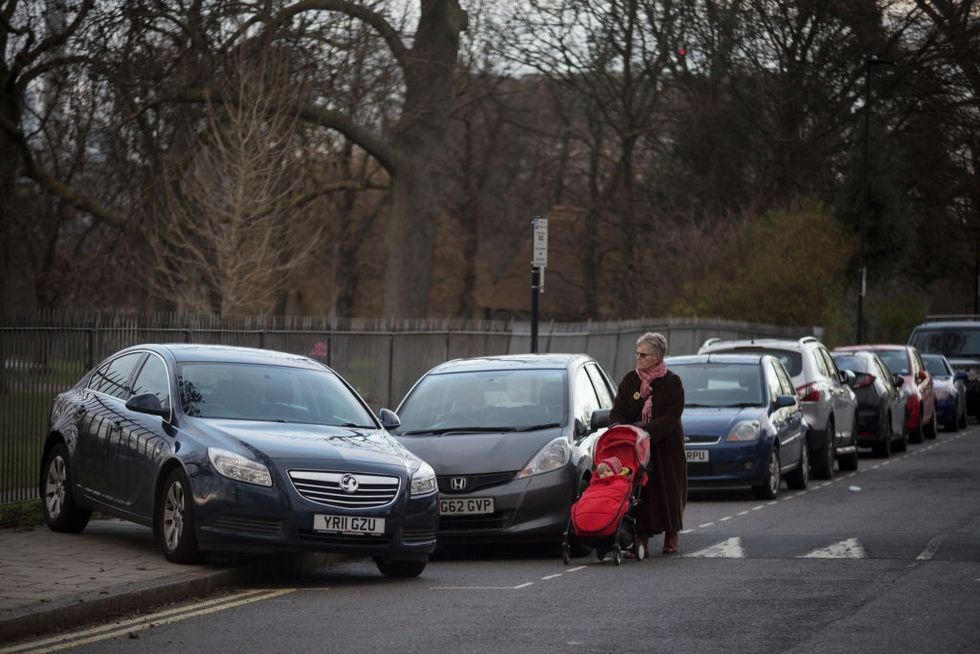
The charities warned pavement parking can be dangerous for vulnerable pedestrians
| GETTYSecond, the charities want long-term funding, with at least 10 per cent of the transport budget spent on active travel. They also called for better infrastructure, safer street design and improved access to green spaces, particularly in local communities.
Finally, they demanded stronger safety measures, including a default 20mph speed limit and strict enforcement of pavement parking bans by all councils. Kevin Lafferty, chief executive of Walking Scotland, said walking and wheeling should be seen as essential, not optional.
"Walking and wheeling are some of the most effective ways to improve health, cut emissions and strengthen communities," he said. "They're affordable and accessible, and people want to do them more."
He added that enforcing pavement parking rules is a key step in protecting vulnerable road users. Chris Thompson, programme manager at Living Streets Scotland, said safer streets would encourage more people to walk.
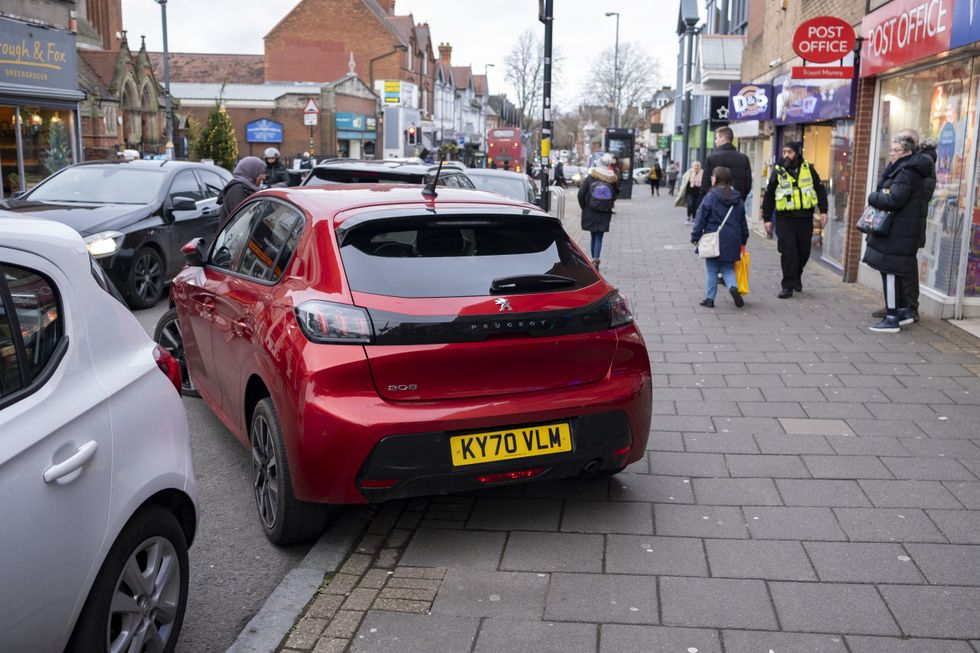 Pavement parking is only illegal in London and across Scotland | GETTY
"Many people want to walk more but don't feel safe because pavements are blocked or poorly maintained," he said. "Better pavements and proper enforcement would make a huge difference."
The manifesto also highlighted the economic case for tackling pavement parking. It claimed every £1 invested in pedestrian-friendly streets delivers around £6 in benefits.
In Scotland's cities alone, walking and wheeling generated more than £870million in economic benefits in 2023.
The health benefits were also significant, with thousands of long-term illnesses and over 1,000 early deaths potentially preventable through increased walking. The charities argued that poorer communities are often hit hardest by unsafe pavements and blocked footpaths.