






Labour has been accused of harming the uptake of new electric vehicles with confusing policies and political decisions impacting consumer buying habits.
New data has warned that the Government's actions in recent months have resulted in a drop in confidence among drivers looking to switch to an electric car.
The latest AA UK EV Readiness Index found that the overall readiness score among drivers has only increased slightly this quarter to a total of 48.8.
While an increase in optimism has been seen, experts have highlighted how switching away from petrol and diesel cars remains a "challenge for many".
TRENDING
Stories
Videos
Your Say
The AA emphasised the impact of the new Electric Vehicle Excise Duty (eVED), which will bring new pay-per-mile car taxes for drivers when it launches in 2028.
The scheme will see electric car owners charged three pence per mile, while drivers of hybrid vehicles will also need to pay 1.5p for every mile they travel.
Chancellor Rachel Reeves outlined the new road pricing measures in the Autumn Budget last month following weeks of speculation around the proposals.
She confirmed that the revenue from the scheme would go towards road maintenance and to plug the gap left by waning fuel duty rates as petrol and diesel cars become less common on UK roads.
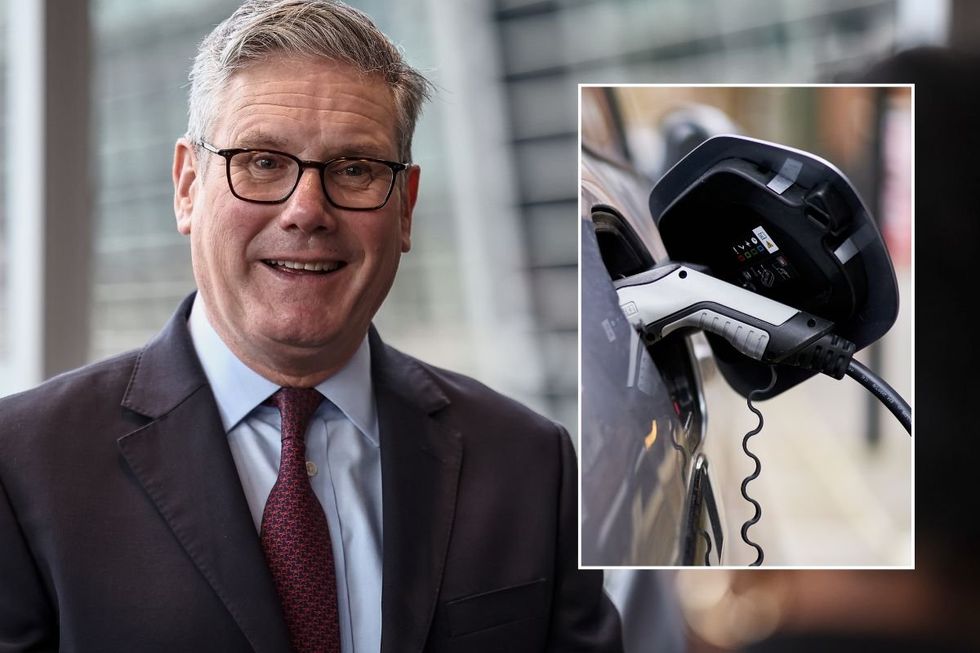
Driver confidence in electric vehicles could be impacted by political decisions, experts have warned
|PA
Edmund King, AA President, said motorists were having to deal with "mixed messages and policy reversals", despite general optimism about the growth of EVs on the road.
He added: "Talk of the ZEV mandate being scrapped or delayed, and the introduction of new taxes on EVs, risks undermining years of progress.
"Those already on the fence may now be stepping back to the familiar territory of petrol or diesel, rather than embracing the switch to electric.
"Whilst the Index shows some progress, the conditions that support drivers' shift to EVs remain challenging for many."
LATEST DEVELOPMENTS
Motorists have been buoyed in recent months by a drop in electric car insurance prices, with costs falling faster than policies for internal combustion engine vehicles.
In addition, prices of second-hand electric cars have also fallen, allowing a greater number of drivers to get their hands on cleaner vehicles.
Mr King acknowledged the falling prices, but said there were "wider concerns", stemming from policy decisions.
He called for the Government to commit to "stronger, clearer guidance and meaningful incentives" next year to ensure the switch to EVs keeps pace with expectations.
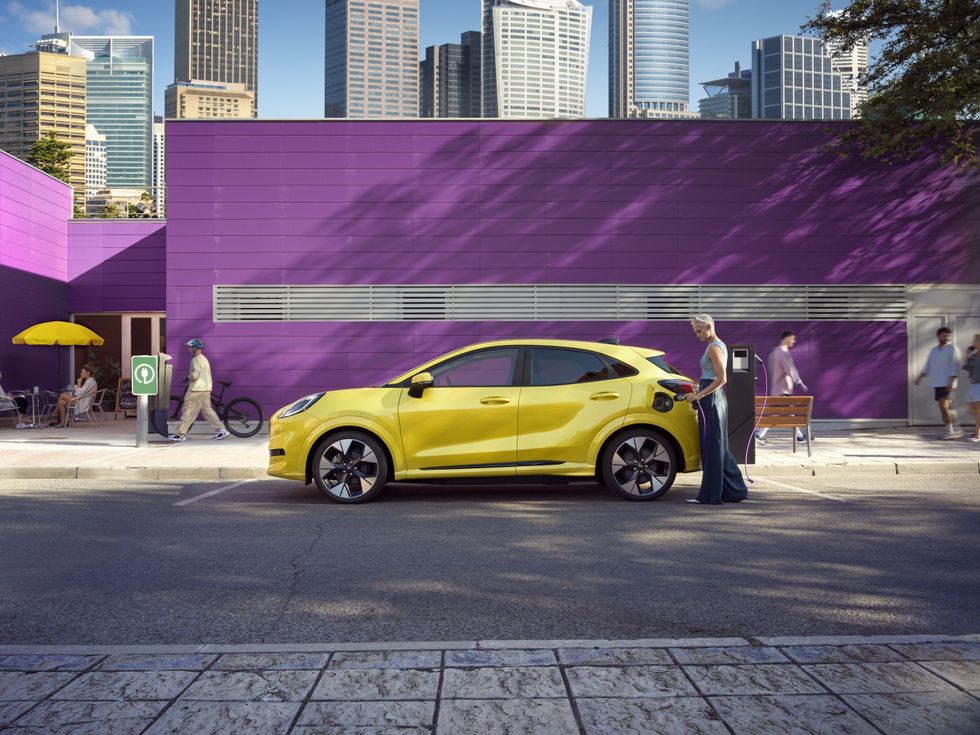 The Ford Puma Gen-E is one of eight vehicles eligible for the maximum £3,750 Electric Car Grant incentive | FORD
A Government spokesperson told GB News that it remained committed to phasing out the sale of new non-zero emission car and van sales by the middle of next decade.
They said: "More drivers than ever are choosing electric, and November saw another month of increased sales with EVs accounting for one in four cars sold.
"We're investing over £7.5billion to support drivers and manufacturers make the switch to zero emission. This includes £4billion investment to back British manufacturing and R&D, create jobs, and drive growth in the sector."
The spokesperson also highlighted the Electric Car Grant, which has already been used by more than 40,000 drivers, helping them save up to £3,750 off the price of a new EV.