










Australian nutrition experts have sounded the alarm this week over an unexpected consequence of popular weight-loss medications, including Ozempic, Wegovy and Mounjaro.
Celebrated for their effectiveness in managing weight and diabetes, The GLP-1 class of drugs are now being linked to cases of malnutrition and serious vitamin deficiencies.
Scurvy, a condition more commonly associated with 18th-century sailors, has emerged among patients using these medications.
The drugs work by suppressing appetite, which proves highly effective for shedding pounds. However, this same mechanism means patients often fail to consume adequate nutrition.
TRENDING
Stories
Videos
Your Say
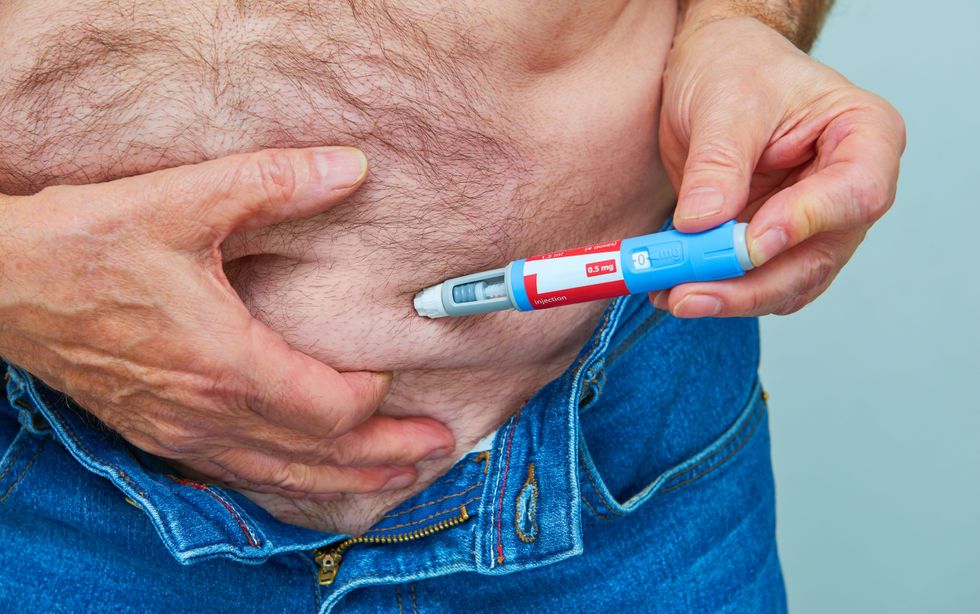
'A reduction in body weight does not automatically mean the person is well-nourished or healthy'
|GETTY
"A reduction in body weight does not automatically mean the person is well-nourished or healthy," Professor Clare Collins of Newcastle School of Health Sciences told the Australian Financial Review.
"Nutrition plays a critical role in health, and right now it's largely missing from the evidence."
Professor Collins led a comprehensive systematic review that examined existing research on these weight-loss medications, with troubling findings.
Her team analysed more than 40 controlled trials involving over 50,000 participants across 17 years. Just two of these studies actually measured what patients were eating.
"Only one [trial] had published what people ate. We wrote to all the authors and got data from one more trial. This is being missed," Collins told AFP.
The professor expressed concern that this oversight prevents researchers from understanding how the medications affect dietary intake.
"It does not give you an opportunity to see how it might impact their dietary intake. We know there are a lot of side effects. For such an expense, it is a marked miss," she said.
LATEST DEVELOPMENTS
How serious is scurvy?
Scurvy, caused by vitamin C deficiency, can prove fatal if left untreated. The condition was once a regular threat to seafarers but has become exceedingly rare in developed nations where nutrient-rich diets are the norm.
Professor Collins told AFP that multiple doctors have now reported scurvy cases to her.
"Let's not wait for every GP to see a case of scurvy, let's get on the front foot and link these GP chronic management plans to a dietitian referral," she urged.
Thiamine deficiency, which can lead to neurological and cardiovascular disease, has also been linked to GLP-1 use in rare instances.
Beyond vitamin deficiencies, other serious side effects have emerged in recent months, ranging from eating disorders to certain rare cancers.
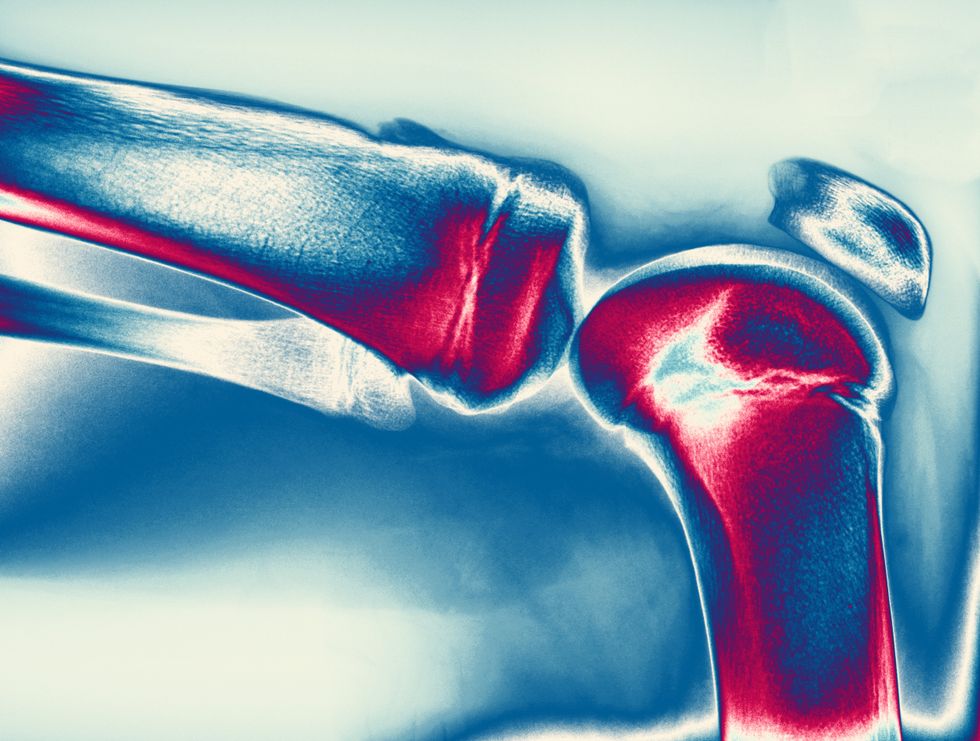
Scurvy has emerged among patients using the weight loss medications
|Scurvy
Dietitians Australia chief executive Magriet Raxworthy told AFP that personalised medical nutrition therapy from a qualified dietitian is essential for those taking these medications.
Without proper guidance, "people may struggle to meet their nutritional needs and can be placed at risk of significant muscle loss, bone density loss, micronutrient deficiencies and disordered eating behaviours," she warned.
"In this case, it's clear medication alone does not deliver sustainable health outcomes."
A 2024 National Institute of Health poll revealed that 12 per cent of American adults had used a GLP-1, with usage more than doubling among diabetics.
Our Standards: The GB News Editorial Charter