





More than three out of five drivers in Northern Ireland have expressed support for the upcoming pavement parking ban soon set to impact the region.
The move comes as the Department for Infrastructure Minister plans new rules to tackle what many see as a dangerous and anti-social problem.
A recent survey found 62 per cent support banning cars from parking on pavements, with almost half (48 per cent) warning that pavement parking causes problems in their local area, while 71 per cent said they had been personally blocked by cars on footpaths.
Liz Kimmins announced plans in November last year to introduce laws to stop cars parking fully on pavements, blocking dropped kerbs, or double parking in ways that get in the way of pedestrians.
TRENDING
Stories
Videos
Your Say
Ms Kimmins said: "Inconsiderate pavement parking has a significant adverse impact in many areas across the north. Too many drivers fail to realise the consequences when their vehicle blocks the footway.
"A vehicle parked fully on a pavement creates serious and often dangerous barriers for pedestrians, forcing people to step out onto the road into oncoming traffic. This poses a safety risk, particularly for people with disabilities, older people, children and people pushing prams."
She added the new laws will build on previous measures, including bans on footways near bus lanes, bus stops, cycle lanes, and school "Keep Clear" markings. Her department has also promoted a "think before you park" campaign.
Terry McCorry, Chair of the Inclusive Mobility and Transport Advisory Committee, welcomed the plans. "Inconsiderate parking on the pavement and the blocking of dropped kerbs create hazards for disabled people and others," he said.
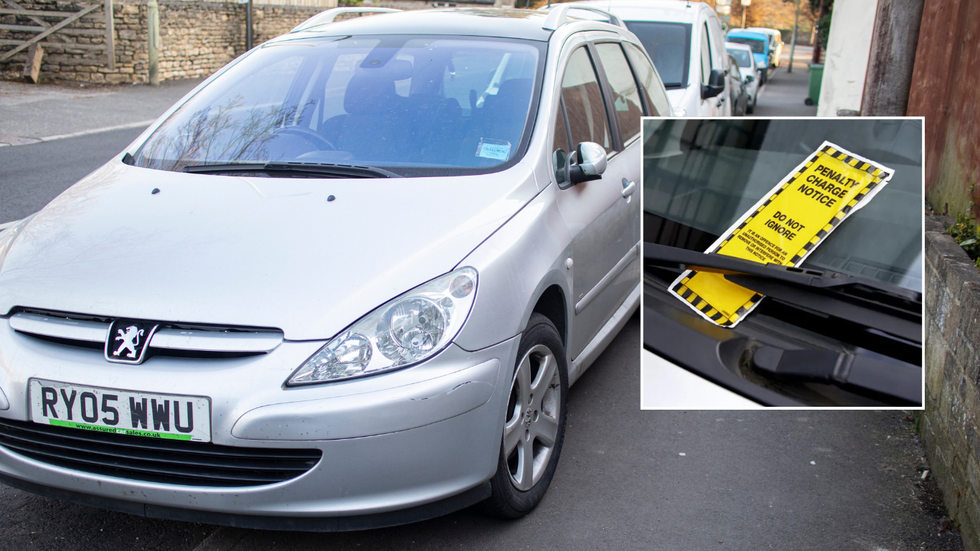
Reports showed growing support for introducing pavement parking in Northern Ireland
| GETTYHowever, while the move hopes to increase safety for pedestrians, drivers are split on how a ban should work. Around 40 per cent worry that a full ban could reduce parking in their area.
Meanwhile, two-thirds (67 per cent) want local councils to have the power to deal with the problem rather than a one-size-fits-all approach.
Currently, Northern Ireland has no general ban on pavement parking outside urban clearways. Yellow lines also apply to pavements, meaning drivers can already be fined in some areas.
London and Scotland already ban pavement parking, with fines of up to £160 and £100. But under new rules currently being consulted on, local councils across England and Wales could be given more powers later this year to fine drivers who pavement park.
LATEST DEVELOPMENTS
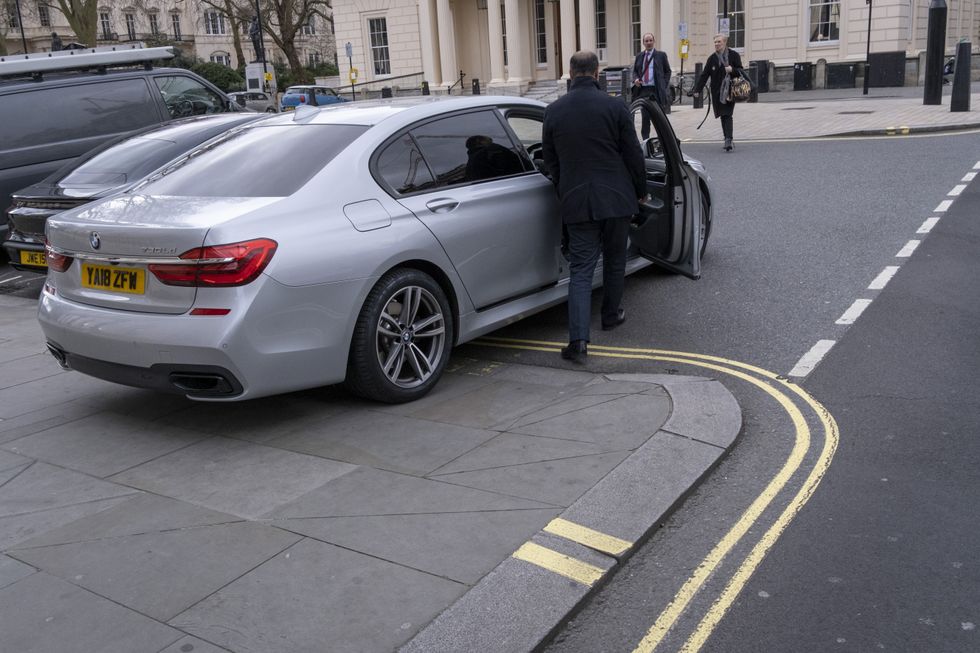 Drivers can be fined £100 for pavement parking in London and Scotland | GETTY
Ian Wilson, Managing Director of CompareNI.com, said pavement parking is not just inconvenient; it can be dangerous.
He said: "Pavement parking can pose a real danger to pedestrians, especially those with mobility issues or young children in prams.
"By blocking footways, drivers are forcing pedestrians onto the road – this is not just an inconvenience, it is putting people's lives at risk."
He added parking on pavements can also damage vehicles. "Pavements aren't made for cars. Repeatedly driving up kerbs can damage tyres, wheels, suspension, and the undercarriage. Vehicles may also get accidentally hit by buggies, wheelchairs, or bikes."
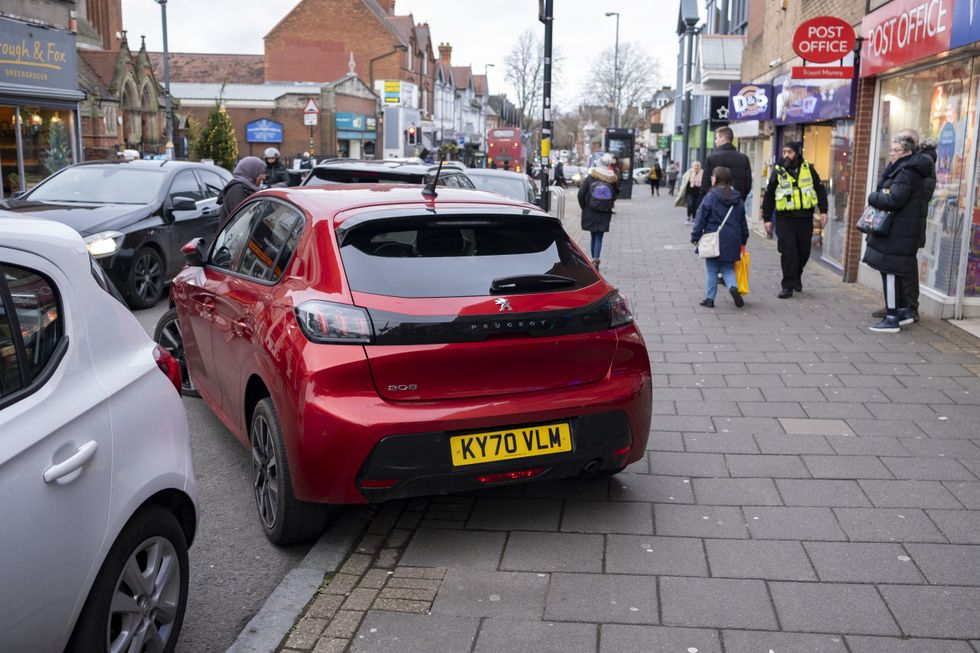 Pavement parking is currently only illegal in London and across Scotland | GETTY
Mr Wilson warned that insurance claims could be expensive. "If drivers claim for damage, they could lose their no claims bonus and see premiums rise. Parking safely protects them, their vehicles, and other road users."
With strong public support and examples already in place elsewhere in the UK, Stormont is under pressure to act quickly to make streets safer for pedestrians.
The minister stated secondary legislation will be developed later this year to bring the pavement parking initiative into effect.
Our Standards: The GB News Editorial Charter