









Prostate cancer has now taken over as the most commonly diagnosed cancer in the UK, pushing breast cancer into second place for the first time.
New figures from Prostate Cancer UK show that 64,425 men received a prostate cancer diagnosis in 2022. That's compared to 61,640 breast cancer cases during the same period.
It's a striking jump from the year before, when 51,823 men were told they had the disease – marking a 24 per cent rise in just 12 months.
While England saw prostate cancer claim the top spot last January, fresh data from Scotland, combined with existing Welsh and Northern Irish numbers, has now painted the full UK picture.
TRENDING
Stories
Videos
Your Say
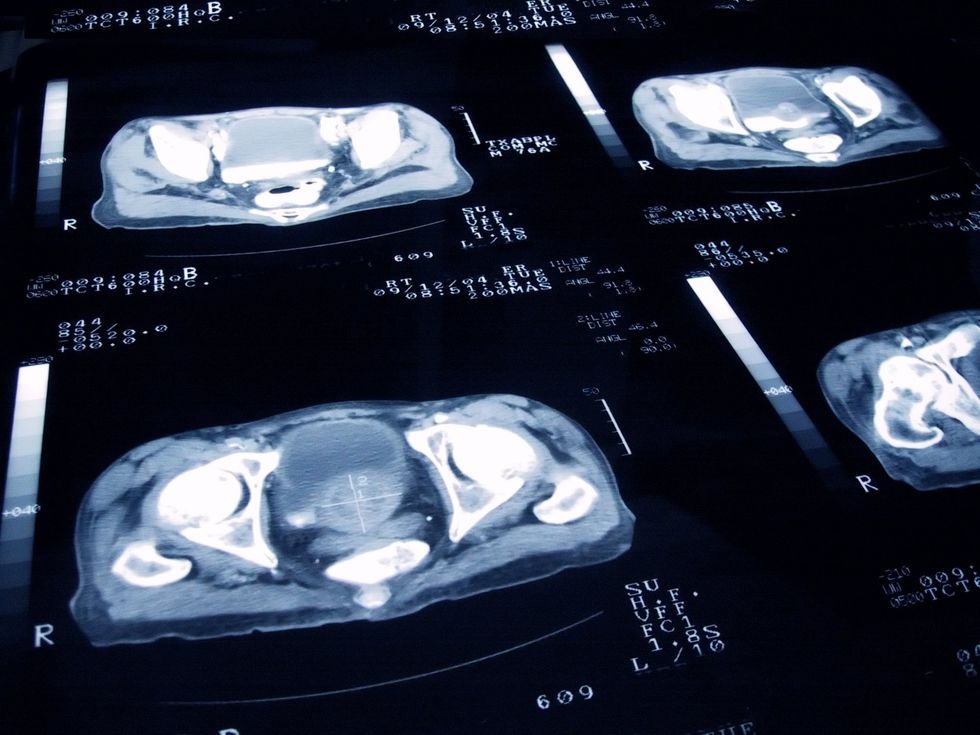
Prostate cancer has overtaken breast cancer as the most commonly diagnosed cancer
|GETTY
The charity says awareness campaigns have driven a 42 per cent increase in diagnoses over the past decade.
Despite these rising numbers, a draft recommendation from the UK National Screening Committee in December advised against offering routine prostate cancer screening to most men.
The committee was clear in its position: population-wide PSA testing "is likely to cause more harm than good".
Instead, it suggested screening should only be offered to men carrying BRCA1 and BRCA2 genetic mutations, who face much higher cancer risks. These men would be tested every two years between the ages of 45 and 61.
Health Secretary Wes Streeting has said he was surprised by the advice and is now looking into the findings.
The PSA test itself remains controversial among medical experts. Some point out that elevated PSA levels don't always indicate cancer, while some men with the disease show perfectly normal results.
The screening committee's stance has drawn fire from several high-profile figures who've battled the disease themselves.
Olympic cycling legend Sir Chris Hoy, former PM Lord David Cameron, broadcaster Sir Stephen Fry, and actor Sir Tony Robinson have all spoken out against the recommendation.
Sir Chris Hoy said: "Prostate cancer is curable if found early. That's why it's vital we get the message out to men to think about their risk and to talk to their GP about a simple blood test to check."
He added: "What we need now is action to change the system, to enable more men to be diagnosed earlier and stop them getting the news I got."
LATEST DEVELOPMENTS
The Olympic champion called for GPs to proactively reach out to high-risk groups, including men with family history and black men.
Where you live in the UK makes a real difference to your chances of catching the disease early.
Men in Scotland are far more likely to receive their diagnosis at a later stage – 31 per cent compared to just 21 per cent in England.
The postcode lottery doesn't stop there. Those living in more deprived areas are 29 per cent more likely to be told their cancer has already spread beyond the prostate, compared to men in wealthier neighbourhoods.
Prostate Cancer UK argues that "outdated" NHS guidelines are part of the problem, stopping GPs from starting conversations about risk with the men who need them most.
Sir Chris Hoy put it bluntly: "It shouldn't be only men's responsibility to make these potentially lifesaving conversations happen."
Prostate Cancer UK hasn't given up the fight despite the committee's decision and is running a major clinical trial that could change everything.
Researchers are testing whether combining PSA blood tests with rapid MRI scans might prove effective enough to justify screening all men. Results are expected within two years.
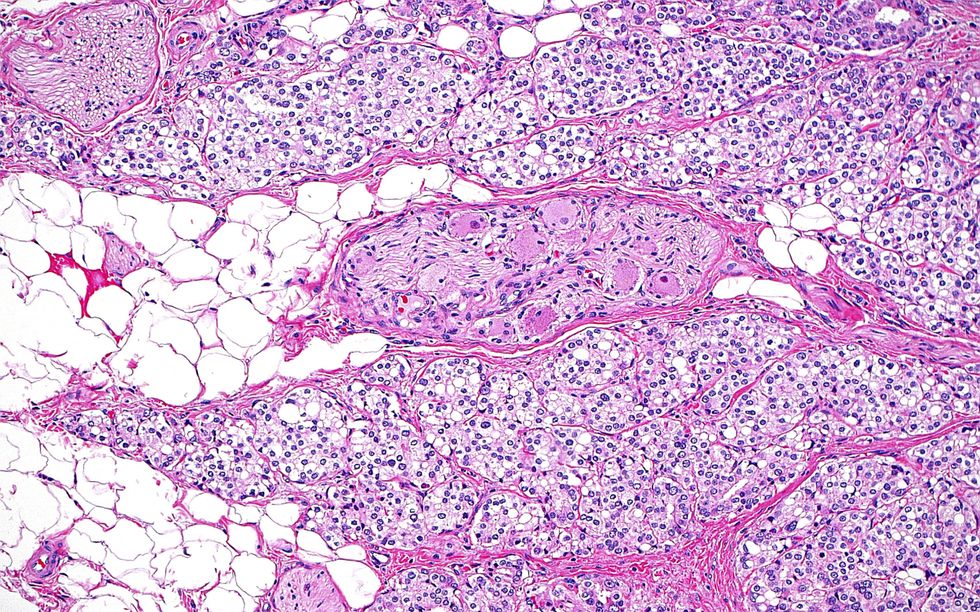
The disease is curable if found early
|GETTY
Chiara De Biase, the charity's director of health services, equity and improvement, said: "We urgently need an early detection programme that will address these regional inequities."
She's urging men to take action themselves in the meantime: "Find 30 seconds to do Prostate Cancer UK's online risk checker. It's free, anonymous and in a few quick questions you will understand your risk."
More than four million men have already used the tool.
Our Standards: The GB News Editorial Charter