










When it comes to weight loss, the messaging around eating enough fibre and protein couldn’t be clearer. But the products promising to help us hit these targets could be doing more harm than good, a dietitian has warned.
Courtney Kassis has warned her followers processed snacks claiming to help you meet your fibre goals are in fact "fake" and could be setting their bodies up for failure."You're not going to like this, but I'm saying it anyway. Most of the fibre in your diet is fake, it's the reason you're still bloated, still hungry and still not losing fat," she told viewers.
The dietitian explained that these isolated fibres are added to make products appear nutritionally impressive, but they do nothing for satiety, hormone balance or fat burning.
TRENDING
Stories
Videos
Your Say
Genuine fibre comes from whole foods
|GETTY
According to Courtney, the body treats these additives like fast-acting carbohydrates rather than genuine fibre, offering virtually no benefit.
It's the products labelled as low net carbs, high fibre or gut-friendly that are often the biggest culprits.
"They're sold as better-for-you fat loss swaps, but the fake fibre in them keeps us hungry, inflamed and bloated," she explained.
To spot these impostors, the dietitian recommends ignoring the nutrition panel and heading straight to the ingredients list.
Watch out for terms like chicory root fibre, soluble corn fibre, tapioca fibre and inulin – these are isolated fibres included purely for marketing appeal rather than genuine health benefits.
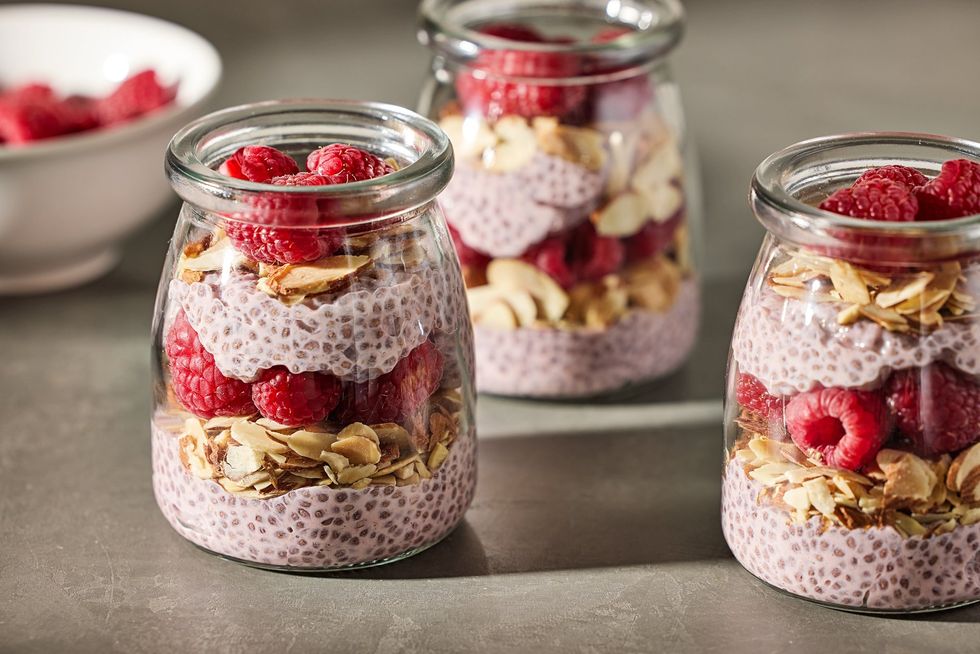
Courtney noted that genuine fibre comes from whole foods, with particularly high amounts found in raspberries, blackberries, avocado, chia seeds, flaxseeds, oats and vegetables.
She recommends aiming for at least 30 grams of fibre daily from these real sources.
LATEST DEVELOPMENTS:
This helps keep blood sugar stable, promotes lasting fullness, supports hormonal health, reduces inflammation and can even aid fat burning.
"But hitting that 30gram fibre goal does take planning," she admitted, adding that swapping processed foods for whole foods alone can transform your metabolism.
Nutritional therapist Alison Bladh has also highlighted the importance of fibre-rich eating for tackling stubborn belly fat.
She explained that visceral fat is closely linked to insulin resistance, where the body struggles to manage blood sugar properly.
"When insulin levels remain high, the body is primed to store fat around the abdomen," Alison noted.

Courtney explained that isolated fibres are added to make food appear nutritionally impressive
|TIKTOK
Her strategies for improving insulin sensitivity include prioritising protein with meals, cutting back on refined carbs and sugars, choosing fibre-rich foods and spacing meals to prevent blood sugar spikes.
"Unlike low-calorie dieting, which can slow metabolism and increase muscle loss, improving insulin sensitivity targets the root cause of abdominal fat storage," Alison added.
Our Standards: The GB News Editorial Charter