










Britons are being urged to stay alert as scabies cases surge across England, with the skin condition reaching levels not seen in years.
The latest data from the Royal College of General Practitioners' Research and Surveillance Centre shows GP consultations for the intensely itchy infection are now running at double the five-year national average. Northern England is seeing even higher rates.
In just the past week, doctors recorded close to 900 scabies cases nationwide — roughly 20 per cent more than the same period twelve months ago.
The UK Health Security Agency also reported a 44 per cent jump in scabies diagnoses at sexual health clinics between 2023 and 2024.
TRENDING
Stories
Videos
Your Say
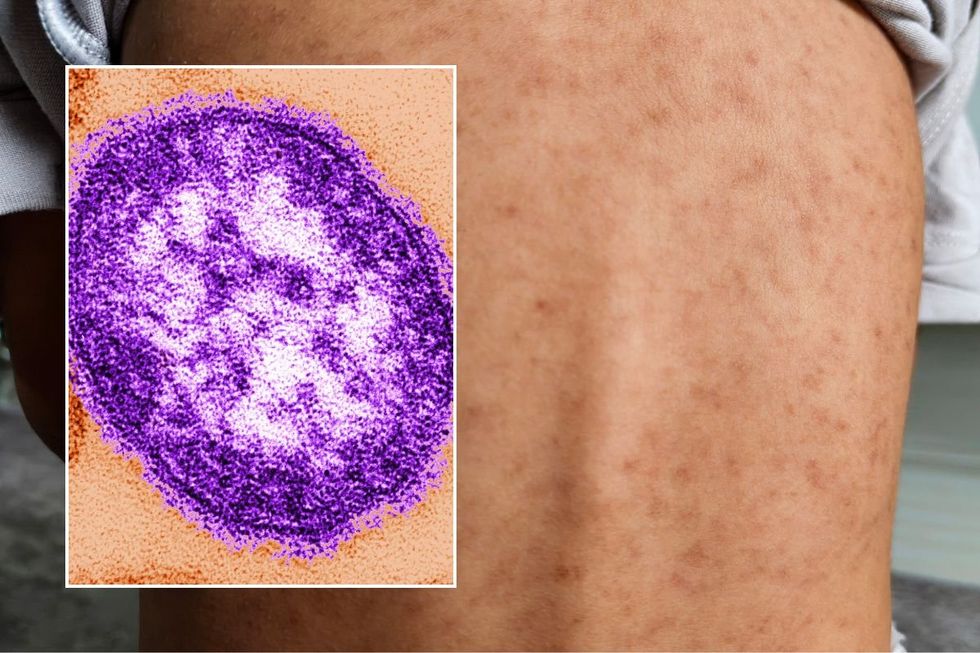
Doctors have warned they're seeing cases 'all the time'
|GETTY
Dr Lewis Haddow, a consultant at Kingston Hospital NHS Foundation Trust, told The Guardian he was "seeing scabies all the time".
The condition spreads easily through prolonged skin-to-skin contact, meaning entire households often become infected together.
Care home residents are particularly vulnerable, and the mites frequently pass between sexual partners — though scabies isn't officially classified as an STI.
Tiny mites burrow into the skin to reproduce, and if left untreated, infestations can persist for months or even years. The parasites and their eggs can also survive in bedding and towels.
Symptoms typically emerge three to six weeks after catching the bug, though people who've had it before may notice signs within days.
Diagnosis proves tricky because the characteristic red rash — usually appearing in skin folds around elbows, knees, buttocks and between fingers — can take months to show up.
LATEST DEVELOPMENTS
Patients have described the experience as "hell", with one telling The Guardian "it affected our lives so horrendously, I wouldn't wish it on my worst enemy".
Experts haven't pinpointed exactly what's driving the spike, but several factors appear to be at play.
A shortage of the scabies medications permethrin and malathion two years ago likely contributed, along with people mixing more freely again after pandemic restrictions lifted.
Lengthy NHS waiting times for treatment have also been blamed.
Professor Michael Marks, from the London School of Hygiene & Tropical Medicine and former chair of the International Alliance for the Control of Scabies, told The Guardian that "similar trends" are appearing across Europe.
He pointed to "outbreaks in crowded settings such as halls of residence and hostels" as a likely cause.
In Britain specifically, he suggested "delays in people being able to access care, and inadequate tracing and treatment of their contacts" could be fuelling the problem.
For decades, permethrin cream has been the go-to treatment, applied across the entire body, left on for 12 hours, then repeated a week later to destroy any remaining eggs.
Crucially, everyone living in the same home must be treated simultaneously — even those showing no symptoms.
But there's a growing problem: the mites appear to be developing resistance to the medication.
A 2024 review in the Journal of Clinical Medicine concluded that "permethrin-resistant scabies is an escalating threat", suggesting the cream may be becoming increasingly ineffective.
This resistance issue, combined with the need for precise application and household-wide coordination, makes tackling infestations considerably harder than it once was.
Scratching can also worsen existing conditions like eczema or psoriasis and potentially lead to bacterial infections.
The NHS approved ivermectin as an alternative scabies treatment in 2023, offering patients an oral tablet option rather than a topical cream.
Studies have found the anti-parasitic drug can eliminate both the mites and their eggs, potentially preventing reinfestation for up to two years.
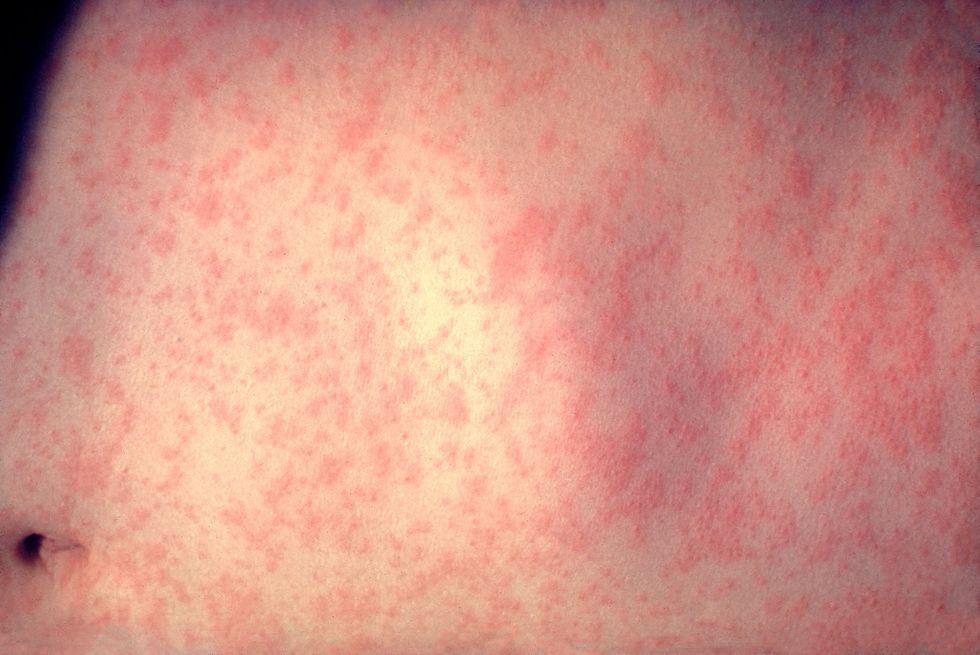
Symptoms typically emerge three to six weeks after catching the bug
|GETTY
However, it's not without drawbacks — the medication is expensive, and some experts don't consider it more effective than traditional treatments.
Ivermectin gained notoriety during the Covid pandemic when unfounded claims circulated about it being a potential treatment or vaccine alternative, despite no credible evidence supporting this.
The drug is commonly used in veterinary medicine, earning it the nickname "horse de-wormer".
Clinical trials have shown that a small number of patients experience side effects including dizziness and a rash resembling the original infection.
Our Standards: The GB News Editorial Charter