








A promising new immunotherapy treatment for advanced prostate cancer has demonstrated remarkable results in preliminary clinical trials, offering fresh hope for patients with limited options.
Professor Johann de Bono, leading the research at the Institute of Cancer Research and the Royal Marsden NHS Foundation Trust, spearheaded the investigation into VIR-5500, an innovative drug that harnesses the body's immune defences against cancerous cells.
"We believe that such treatments may in the long term lead to cures," Prof de Bono stated. “We do need more data but the results are stunning.”
The findings represent a significant development for a disease that has historically proven resistant to immunotherapy approaches, affecting approximately 1.5 million men globally each year.
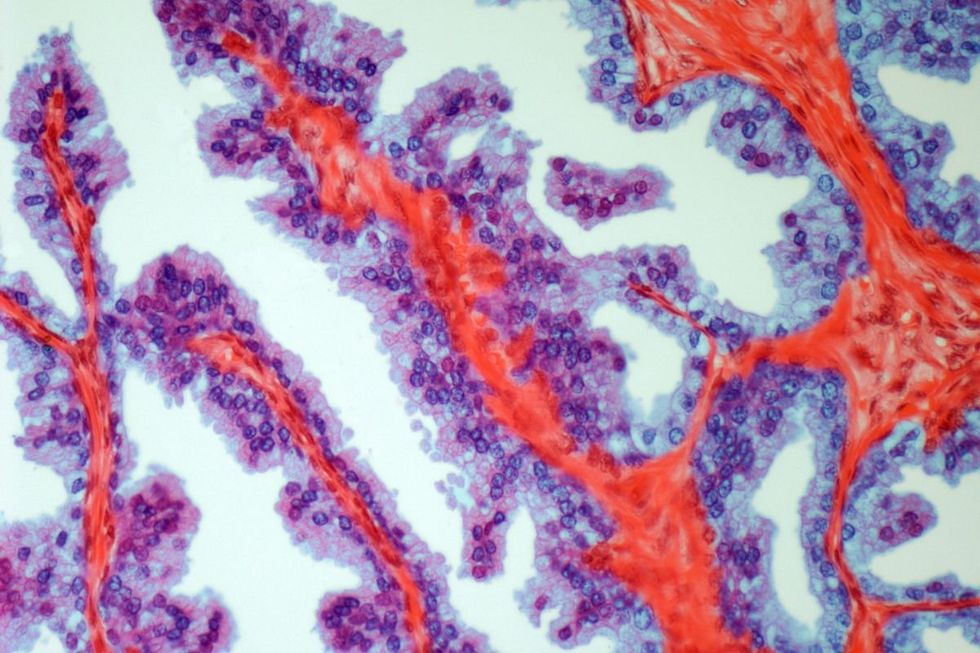
Prostate cancer affects 1.5 million men globally each year
|GETTY
VIR-5500 functions as what scientists term a T-cell engager, an engineered antibody designed to connect the body's killer T-cells with tumour cells attempting to evade detection.
What distinguishes this particular treatment is its design, which is activated solely within the tumour itself.
This targeted approach serves dual purposes, reducing adverse reactions whilst enabling the medication to remain in the bloodstream longer, potentially requiring fewer doses.
The phase one trial, backed by Vir Biotechnology, enrolled 58 men whose advanced prostate cancer had ceased responding to existing treatments.
LATEST DEVELOPMENTS
Encouragingly, the vast majority of participants - some 88 per cent - reported experiencing only mild side-effects throughout the study.
Researchers examined prostate-specific antigen levels in participants' blood, a key indicator of the disease's progression.
Among the 17 men receiving the highest dosage, the outcomes proved striking: 14 patients (82 per cent) witnessed their PSA levels drop by half or more, while nine (53 per cent) achieved reductions exceeding 90 per cent.
Five participants saw their PSA fall by at least 99 per cent.
Perhaps most compelling was the case of a 63-year-old gentleman whose cancer had metastasised to his liver.
Following six treatment cycles, all 14 cancerous lesions in his liver had completely disappeared - a result Prof de Bono described as unprecedented for this traditionally "immune-cold" malignancy.
The findings, presented at the American Society of Clinical Oncology genitourinary cancers symposium in San Francisco, have yet to undergo peer review.
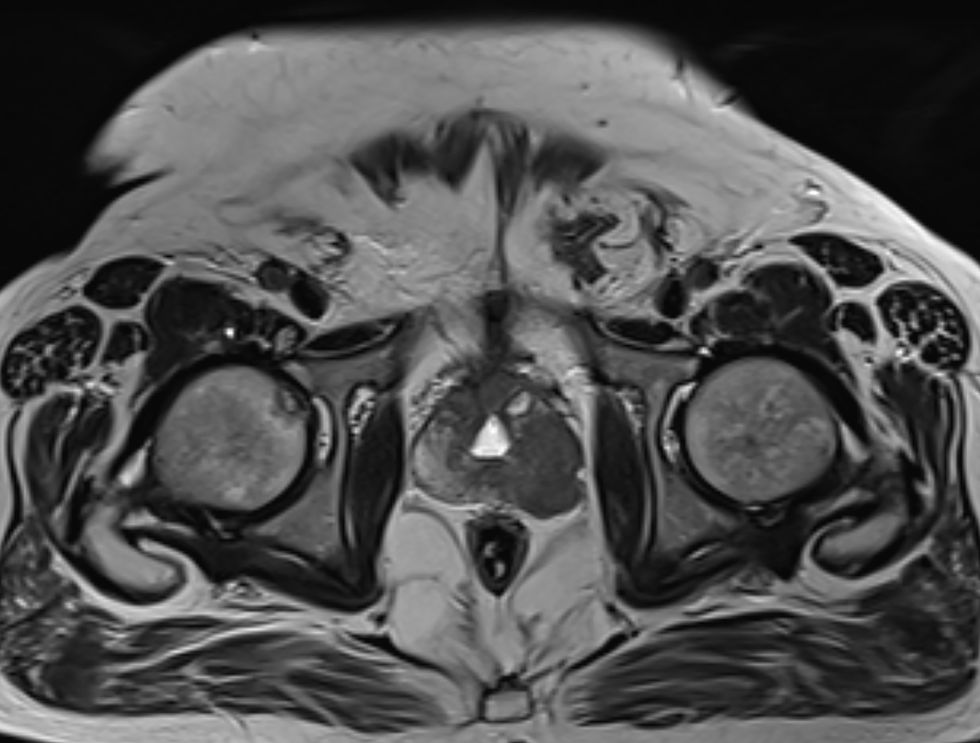
More than 12,000 men die from prostate cancer each year in the UK
|GETTY
Professor Charlotte Bevan, a cancer biology expert at Imperial College London who was not involved in the research, welcomed the potential breakthrough while emphasising the need for trials encompassing diverse ethnic backgrounds, given existing disparities in prostate cancer outcomes.
Simon Grieveson, assistant director of research at Prostate Cancer UK, expressed enthusiasm about the early-phase results.
"With over 12,000 men dying from prostate cancer each year in the UK, we urgently need new and innovative ways to treat the disease," he said.
Further clinical trials are now being planned.
Our Standards: The GB News Editorial Charter