









Thousands of social housing tenants across the UK could soon slash their annual energy costs by around £200 thanks to a new tariff designed to benefit both renters and landlords.
The scheme arrives as British households increasingly turn to solar technology to shield themselves from volatile energy markets and climbing bills.
Geopolitical tensions, particularly conflict in the Middle East, have driven up global oil and gas prices, leaving many families bracing for further increases when the energy price cap resets in July.
Interest in renewable solutions has surged dramatically. Figures from Octopus Energy reveal heat pump purchases have jumped by 103 per cent, while solar panel sales have risen 78 per cent and enquiries about electric vehicle chargers have climbed 42 per cent.
Octopus Energy, Britain's biggest energy supplier, has now launched its Tenant Power tariff in partnership with United Welsh, marking the first rollout of the scheme by a Welsh housing association.
The tariff represents the country's first green technology energy deal that shares financial rewards between social housing providers and their residents.
Tenants on the scheme see their electricity unit rates drop by 30 per cent compared to standard variable tariffs, translating to roughly £200 in yearly savings.
Meanwhile, landlords who install solar panels and battery systems receive ongoing revenue, transforming green upgrades into viable long-term investments.
The initial phase covers four properties in Wales, with installations complete and residents already benefiting from the reduced rates. Octopus Energy has set a target of enrolling 10,000 homes by the close of 2026.
The system operates by harnessing energy generated from rooftop solar installations paired with compatible battery units. Properties fitted with this equipment produce their own renewable electricity throughout the day.
When households generate more power than they need, the surplus flows into the battery storage system rather than going to waste.
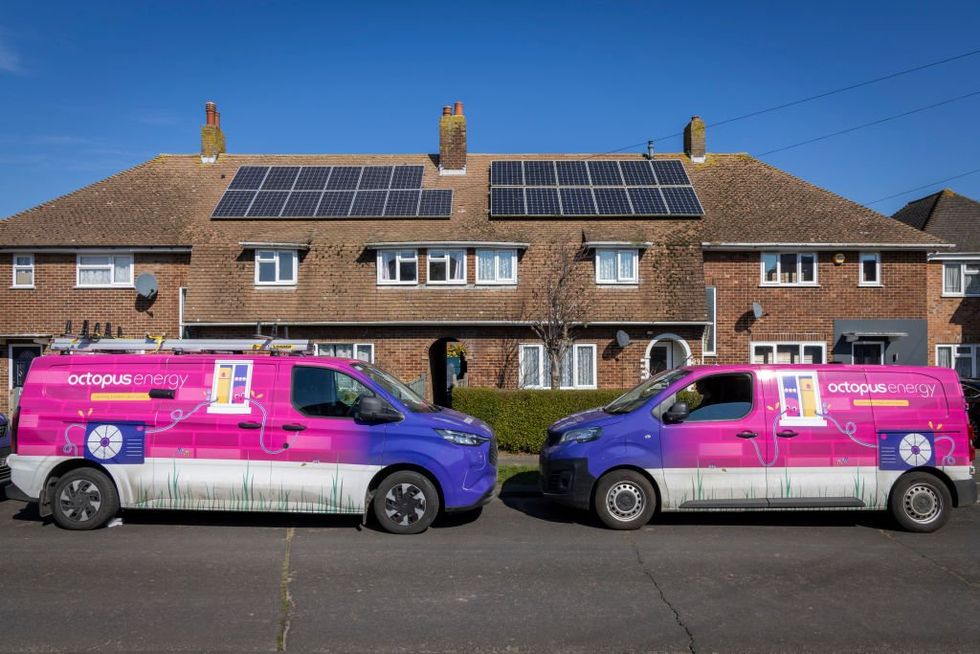
Octopus Energy has now launched its Tenant Power tariff in partnership with United Welsh
| GETTYThis stored energy is then automatically exported back to the national grid during periods of peak demand, when electricity prices are highest.
The arrangement creates a revenue stream for housing associations and landlords who have invested in the technology, while simultaneously helping to stabilise the wider electricity network.
Nigel Banks, Zero Bills Director at Octopus Energy, said: "Solar panels and batteries should be a nobrainer for social housing but until now the economics haven't worked well enough."
The scheme offers several clear advantages for those involved. Tenants benefit from substantially reduced electricity costs, providing welcome relief amid persistent price pressures.
For housing associations, the model finally makes green technology upgrades financially attractive, removing what has long been a key obstacle to decarbonisation in the social housing sector.

Solar panels and batteries should be a nobrainer for social housing
| GETTY / PARichard Mann, Group Chief Executive at United Welsh, said: "Initiatives such as the Tenant Power tariff are an innovative way to fund more property upgrade work while residents benefit from lower bills."
Solar installations paired with batteries also offer greater protection against future energy price shocks, giving households a degree of independence from market fluctuations.
Adding heat pumps to properties already on the tariff could unlock even deeper savings for residents.
However, the approach does come with limitations that prospective participants should weigh carefully.
Solar generation naturally declines during winter months, meaning households remain dependent on grid electricity when daylight hours are shortest.

Savings can also vary considerably depending on individual energy consumption patterns and the size of the installed system
| GETTYSavings can also vary considerably depending on individual energy consumption patterns and the size of the installed system.
There remains uncertainty around future government policy on energy tariffs and renewable incentives, which could affect long-term returns for both landlords and tenants.
Supply chain pressures, including rising shipping and lithium costs, may push system prices up by 10 to 15 per cent in the near term, potentially affecting the economics of future installations.
Despite these considerations, the model addresses a longstanding challenge in making green investment work for social housing.