










Osteoporosis quietly compromises the framework of bones, increasing their porosity and reducing their density, which leaves them brittle. Over time, this dramatically increases the risk of breakages, with wrists, hips and the spine being particularly vulnerable spots.
But the condition often slips under people's radars until a breakage occurs or a scan reveals the damage, with very few warning signs.
Orthopaedic spine surgeon Dr Casey Slattery said sufficient calcium and vitamin D consumption remains the cornerstone of maintaining strong, healthy bones.
"When I think of some of the most important factors for bone health, I think about calcium and vitamin D intake," the expert told GB News.
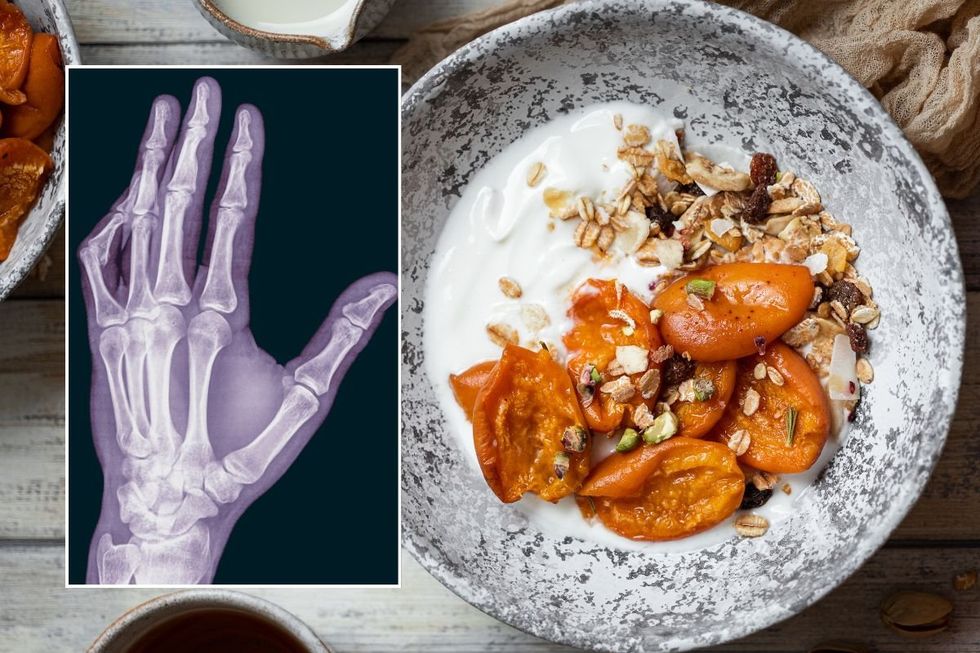
Opting for whole foods makes a considerable difference to skeletal strength
|GETTY
Dr Slattery explained to the People's Channel the timing of meals can serve as a helpful secondary consideration for skeletal wellbeing, although it should not be mistaken for the primary approach.
"Meal timing can be a very important supporting factor," he noted, explaining the morning meal deserves particular attention in this regard.
According to Dr Slattery, regularly forgoing breakfast can leave one feeling depleted of energy and, when this becomes habitual, may throw hormonal balance into disarray.
"Skipping breakfast can both leave your body feeling low energy, and when consistently missed, can disrupt your hormones," he observed. "Hormones regulate cortisol and insulin, both of which regulate bone health."
Something as straightforward as consuming a banana, bagel and glass of orange juice each morning can prove genuinely beneficial. When that first meal is consistently skipped, the body's hormonal equilibrium suffers, subsequently affecting bone maintenance.
For those seeking to strengthen their skeletal health, Dr Slattery suggested: "If you are trying to improve and focus on bone health, I would definitely recommend eating regularly spaced out meals throughout your day."
LATEST DEVELOPMENTS
He added: "Make sure that these meals are stacked with the right amount of protein and calcium, especially first thing in the morning."
The expert acknowledged this advice might appear obvious, but stressed the importance of returning to fundamental habits when daily life becomes hectic and demanding.
Registered dietitian Avery Zenker from MyHealthTeam explained opting for whole foods makes a considerable difference to skeletal strength.
Drawing on the 2024 China Osteoporosis Prevalence study, the nutritionist highlighted that eating patterns centred on meat, dairy, vegetables, fruits and eggs supported bone density.
Conversely, diets laden with ultra-processed items such as fried foods and fizzy drinks showed negative associations with bone health.
Mr Zenkery explained: "What is important is the comparison: that higher intake of whole foods was associated with improved bone density, compared to higher intake of ultra-processed and refined foods, which were associated with lower bone density."
The dietitian stressed that protecting bones involves both selecting beneficial foods and steering clear of harmful ones. "So bone health isn't just about choosing certain foods, but also avoiding certain foods."
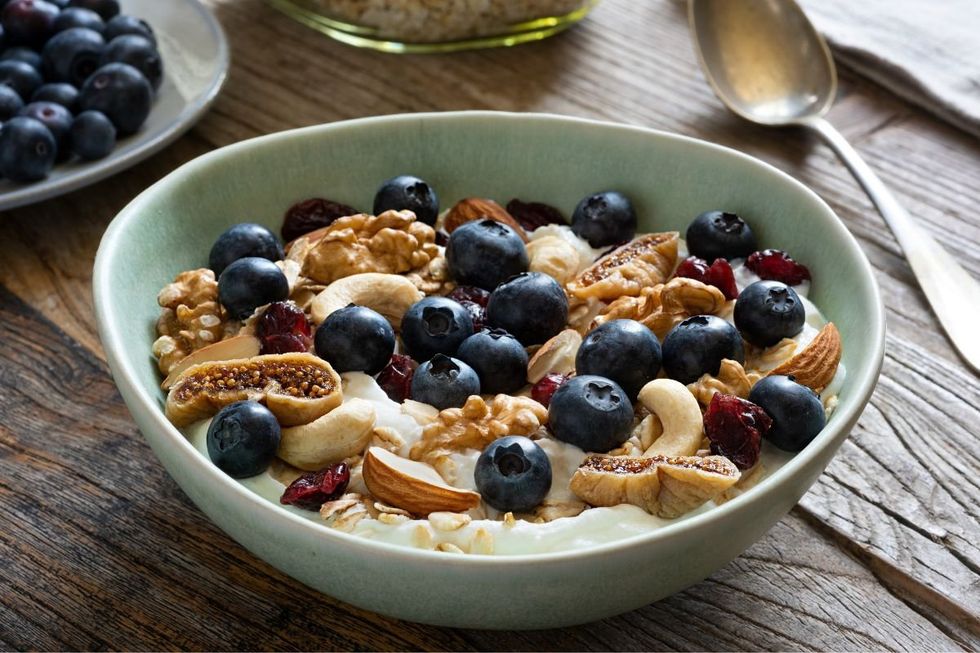
Eating regular meals throughout the day is recommended for bone health
|GETTY
Best sources of vitamin D and vitamin C
The NHS advises between late March and the end of September, most individuals can produce sufficient vitamin D through sunlight exposure on their skin. During the darker months from October to early March, however, dietary sources become essential.
Foods containing vitamin D include oily fish such as salmon, sardines and mackerel, along with red meat, egg yolks and fortified products including certain breakfast cereals and fat spreads. Dietary supplements offer another option. Notably, British cows' milk is not fortified with vitamin D, unlike in some other nations.
Adults and children over one year require 10 micrograms daily.
For vitamin C, the NHS recommends citrus fruits, peppers, strawberries, blackcurrants, broccoli, brussels sprouts and potatoes. Adults need 40mg daily, obtainable through a balanced diet.
Our Standards: The GB News Editorial Charter