









The NHS faces the prospect of running short of widely prescribed medications containing aspirin and paracetamol within weeks as the ongoing conflict in Iran continues to strangle supply routes through the Strait of Hormuz.
Medicines UK, the trade body representing pharmaceutical firms responsible for 85 per cent of NHS prescriptions, has cautioned patients could encounter significant difficulties obtaining their medications as early as June.
This is unless diplomatic efforts succeed in resolving the Middle East crisis.
The blockade of the crucial maritime passage has already sent shockwaves through British supply chains; fuel costs are climbing sharply and supermarket shelves are experiencing gaps in everyday staples.
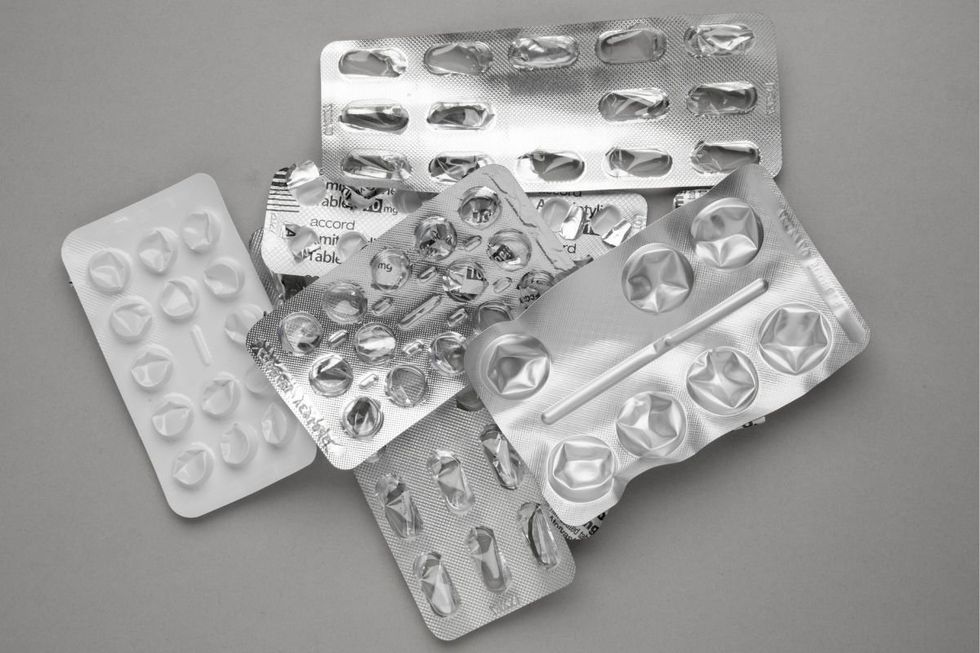
Patients could soon encounter significant difficulties obtaining their medication
|GETTY
What is more, pharmaceutical manufacturers are receiving approximately a quarter of their normal chemical supplies due to the Iranian conflict, according to Medicines UK, which warns this could cause “significant pressure for the NHS as early as June”.
The organisation added it is “increasingly concerned” vital drugs are “now in very low supply”, but added it was “not yet seeing widespread day-to-day shortages”.
Drugs containing aspirin and paracetamol are particularly at risk, but even antibiotics and stroke prevention drugs could be affected.
It comes weeks after NHS England chief executive Jim Mackey shared he was equally concerned about medicine supply issues.
During a phone-in on LBC Radio, the health chief was asked what contingency planning was in place, given that the UK imports 75 per cent of its medicine.
He responded: “We are really worried about this. We’ve already had a couple of supply shocks in the last 12 to 18 months of key supplies.”
LATEST DEVELOPMENTS
When asked how much supply there was, he replied: “It depends on what you’re talking about. In every area, we’ve got enough to get through for a reasonable period… so generally a few weeks.
“Because things perish and it costs money to store, and various other things go out of use, you can’t hold years and years of supply.
“Generally, dependent on the product, we keep a reasonable period. Some of that is held centrally, some held locally.”
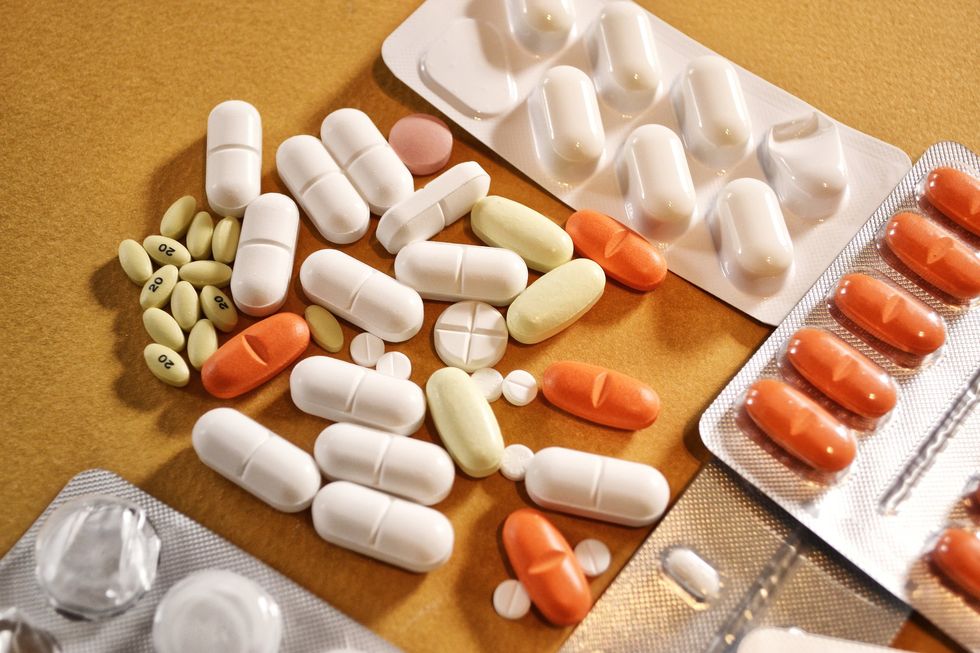
Health experts have warned of a disruption in supply chains for cancer drugs
|GETTY
Richard Sullivan, professor of cancer and global health at King’s College London, warned there was a shortage of cancer drugs.
He told the British Medical Journal there was a particular “disruption in supply chains for cancer drugs and consumables for robotic surgery, which uses up an awful lot of equipment every time you operate on somebody”.
The CEO of the Independent Pharmacies Association explained a significant proportion of pharmaceuticals rely on petroleum-derived inputs, which are used in many common medicines, from antibiotics to pain relief and chronic disease treatments.
Our Standards: The GB News Editorial Charter