










When people exercise may matter just as much as whether they exercise at all, particularly for those managing Type 2 diabetes, new research has revealed.
The comprehensive review, published in the journal Trends in Endocrinology and Metabolism, examined numerous previous studies comparing morning workouts with later-day physical activity, assessing their effects on metabolic health in both healthy individuals and diabetics.
Its conclusions proved particularly significant for the millions living with Type 2 diabetes. According to the analysis, exercising in the afternoon or evening produced substantial and enduring improvements in blood sugar regulation.
Conversely, identical workouts performed first thing in the morning frequently resulted in elevated glucose levels and diminished insulin responses.
TRENDING
Stories
Videos
Your Say

Exercising in the afternoon may produce substantial improvements in blood sugar regulation
|GETTY
The explanation for this disparity lies in what scientists term the "dawn phenomenon," according to Professor of physiology at the Karolinska Institute in Stockholm and senior author of the review, Harriet Wallberg-Henriksson.
In virtually everyone, cortisol levels surge upon waking as the stress hormone helps rouse us from sleep while simultaneously triggering the liver to release stored glucose.
For those with healthy metabolisms, the pancreas responds by producing insulin, which channels that sugar into muscles for energy.
However, diabetics generate insufficient insulin and resist its effects, meaning their blood sugar climbs and remains elevated each morning. Vigorous early exercise amplifies cortisol further, releasing additional glucose that diabetic muscles cannot efficiently absorb.
One study examined in the review tracked middle-aged men with Type 2 diabetes who undertook identical intensive exercise programmes at different times. The results proved striking.
Those who trained in the afternoon achieved lower, healthier glucose readings that persisted for up to 24 hours afterwards.
By contrast, the same regimen completed in the morning left participants with raised blood sugar and compromised insulin sensitivity, effects that similarly endured for hours.
LATEST DEVELOPMENTS:
"Most studies report higher postexercise glucose levels in individuals with type 2 diabetes in the morning compared with the afternoon," the review authors wrote, confirming a consistent pattern across multiple investigations.
Despite these findings, the researchers emphasised that physical activity at any hour remains preferable to inactivity.
"The most important message remains that exercise at any time is better than no exercise at all," said Juleen Zierath, a physiologist at the Karolinska Institute and co-author of the review.
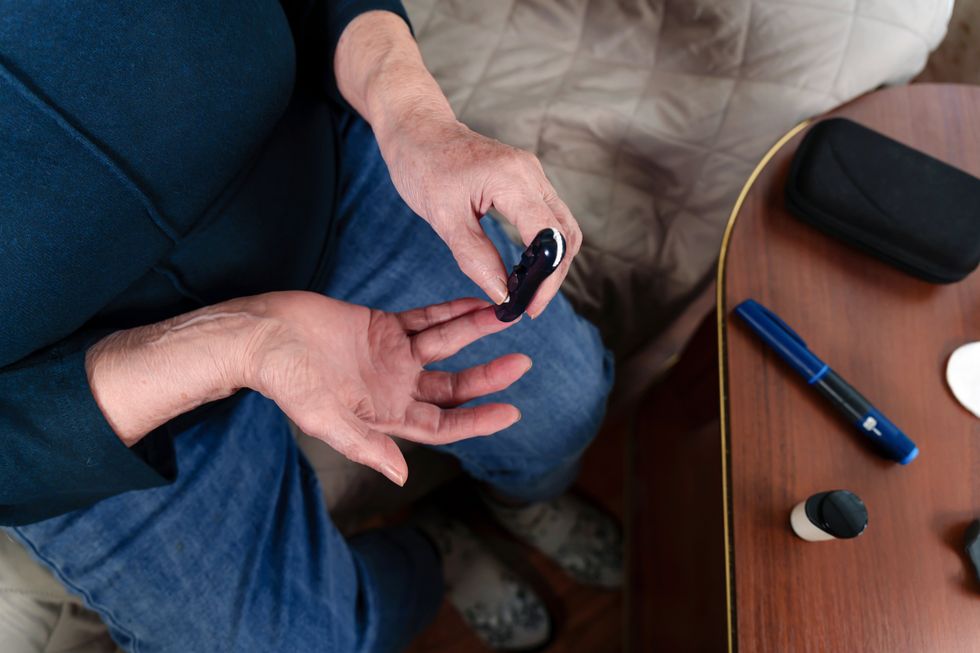
Gentler activities like brisk walking do not appear to produce the same time-dependent effects on blood sugar levels
|GETTY
For diabetics who favour early morning sessions, Wallberg-Henriksson recommends keeping the intensity modest.
Gentler activities such as brisk walking do not appear to produce the same problematic time-dependent effects as more strenuous exertion.
Trine Moholdt, an exercise scientist at the Norwegian University of Science and Technology who was not involved in the review, noted that for most people, the optimal exercise time remains simply whenever they can manage it.
Our Standards: The GB News Editorial Charter