







Symptoms are the body's way of signalling illness, but telling minor niggles apart from more serious problems is far from straightforward.
Ultimately, spotting these red flags allows time take action before major issues ensue.
From unexplained bruises to changes in your digestion, superintendent pharmacist and director of Pyramid Pharmacy Group, Amir Bhogal, broke down some of the messages your body might be sending you.
He's also outlined which tests can help identify underlying problems quickly, giving you the best chance of catching conditions before they progress.
TRENDING
Stories
Videos
Your Say
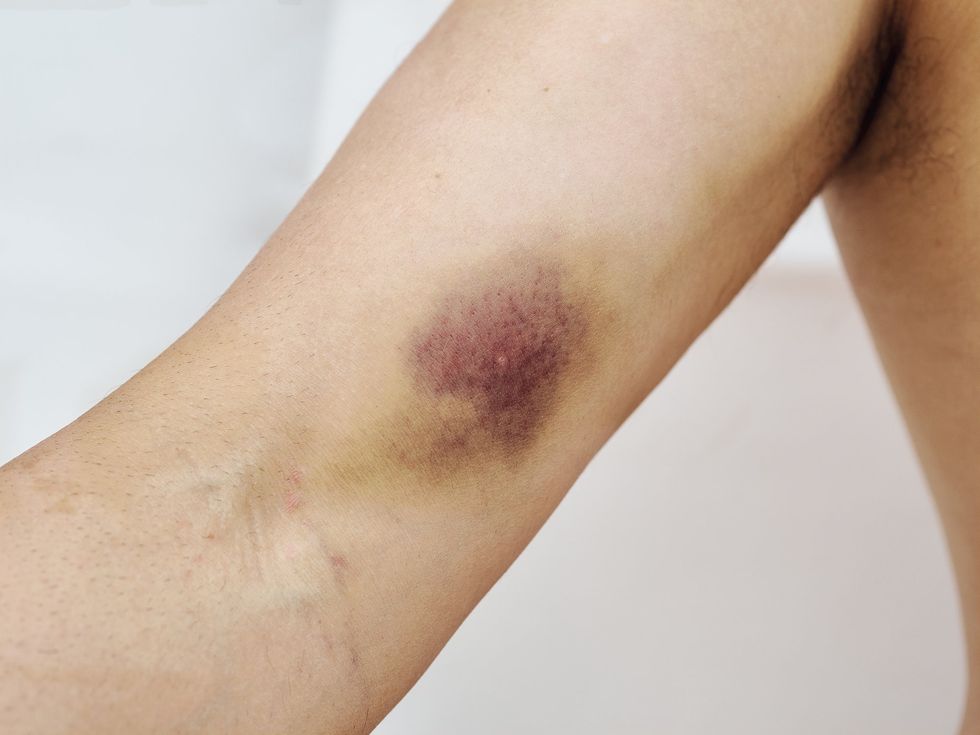
Bruises that have no obvious cause should be closely monitored
|GETTY
High blood pressure
"Many people assume that high blood pressure must cause noticeable symptoms," he told GB News. "In reality, you can have elevated readings and still feel completely fine.
"This is why high blood pressure is often called the silent killer. Some people experience headaches or shortness of breath when their blood pressure climbs significantly.
"However, most people don't experience any symptoms at all. Without regular monitoring, you won't know if your blood pressure is elevated until damage has already occurred."
But without regular checks, the damage may already be done by the time you realise there's a problem.
Amir therefore recommends routine monitoring even when you feel perfectly healthy, particularly if heart disease or stroke runs in your family.
Unexplained fatigue
Persistent tiredness is one of the most common complaints in the UK. And while feeling worn out after a hectic week is perfectly normal, waking up exhausted despite a full night's rest is not.
When unexplained fatigue drags on for days and starts disrupting day-to-day life, it could signal diabetes, thyroid issues, anaemia, or even chronic infections.
"If your fatigue becomes persistent, forcing you to cancel plans or struggle through work, it may be worth discussing with your GP or local pharmacist," the pharmacist advised. "Fatigue paired with other changes like weight fluctuations, fever, or mood shifts may [warrant] medical evaluation."
LATEST DEVELOPMENTS
Blood sugar fluctuations
Amir warns that sweating, shakiness, and an unexpectedly racing heart could indicate your blood sugar is dropping too low.
The occasional dip can happen to anyone, but frequent episodes suggest your body isn't managing glucose properly – and diabetes often creeps up gradually with these early signs.
If you're also experiencing increased thirst or needing to urinate more often, it may be worth getting a blood test.
Headaches
Headaches that become more frequent or intense deserve attention, especially when paired with vision changes or numbness, which can be linked to stroke risk.
Amir added: "Headaches that don't respond to usual remedies like paracetamol may indicate an underlying medical condition, such as chronic migraine or sinus infection.
"Meanwhile, severe headaches that arrive suddenly, or are accompanied by confusion or fever, may signal a more serious neurological issue that may need urgent attention.
"If you notice your headache pattern shifting, or if headaches are becoming more disruptive to your routine, it’s important to speak to a qualified medical professional."
Digestive issues
Digestive shifts lasting more than a few weeks shouldn't be dismissed as something you ate – they could point to inflammatory bowel disease, coeliac disease, or problems with your liver, pancreas, or gallbladder.
Any fever that lingers beyond a few days or keeps coming back shouldn't be written off as just a passing bug.
Your body raises its temperature to fight off infection, but when it stays elevated, something more serious could be at play.
In addition, fever combined with night sweats or swollen lymph nodes might indicate conditions like tuberculosis or persistent bacterial infections.
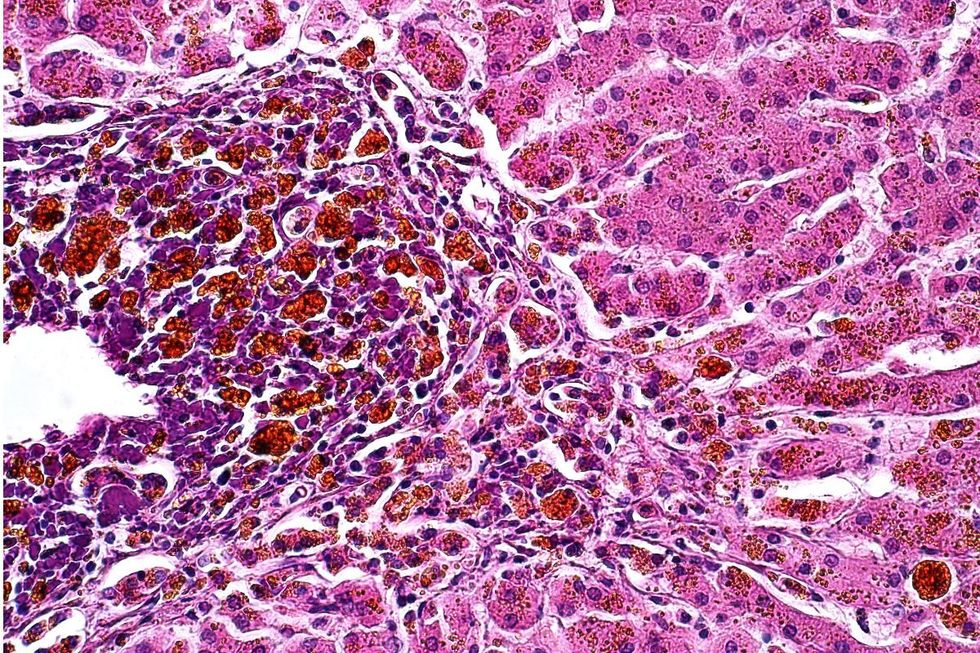
Liver disease can cause bruising due to platelet issues
|GETTY
Bruising
Bruising is another symptom to watch – the odd bump from walking into furniture is normal, but marks appearing without injury could signal clotting problems.
Liver disease and chronic kidney disease can both cause unusual bruising due to platelet issues.
If you're also noticing nosebleeds that won't stop, bleeding gums, or unusually heavy periods, it's time to see a medical professional.
Our Standards: The GB News Editorial Charter