









Preservatives keeping your favourite processed foods fresh may have a worrying connection to type 2 diabetes, scientists have warned.
Scientists from Inserm, INRAE and several Paris universities discovered this while tracking the eating habits of more than 100,000 French adults.
Those who consumed higher amounts of preservatives faced up to 49 per cent greater risk of developing type 2 diabetes compared to people who ate the least.
With over 700,000 products in the Open Food Facts database containing at least one preservative, the findings could have major implications for shoppers everywhere.
TRENDING
Stories
Videos
Your Say
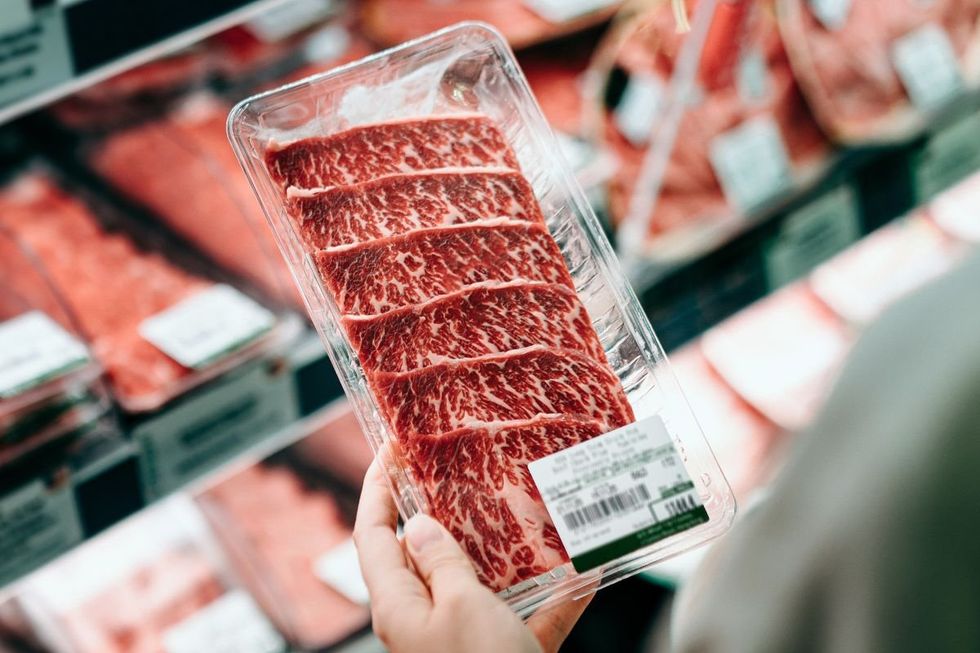
The study identified 12 preservatives specifically tied to higher diabetes risk
|GETTY
The study, published in Nature Communications, drew on participants from the NutriNet-Santé cohort, who shared detailed information about their health, lifestyle and eating habits between 2009 and 2023.
Volunteers kept meticulous food diaries, recording everything they ate over multiple 24-hour periods, down to specific product names and brands.
Researchers then matched this data against several databases, including Open Food Facts, Oqali and EFSA, to work out exactly how much of each preservative people were consuming.
In total, 58 different preservatives showed up in what participants were eating. The team looked closely at 17 of these substances – the ones eaten by at least one in 10 people in the study.
Over the 14-year period, 1,131 participants developed type 2 diabetes out of 108,723 people tracked.
LATEST DEVELOPMENTS
The study identified 12 preservatives specifically tied to higher diabetes risk.
Six were non-antioxidant preservatives commonly found on ingredient lists: potassium sorbate (E202), potassium metabisulfite (E224), sodium nitrite (E250), acetic acid (E260), sodium acetate (E262) and calcium propionate (E282).
Another six were antioxidant additives: sodium ascorbate (E301), alpha-tocopherol (E307), sodium erythorbate (E316), citric acid (E330), phosphoric acid (E338) and rosemary extracts (E392).
People eating the most preservatives overall saw a 47 per cent jump in diabetes incidence.
For non-antioxidant preservatives specifically, the increase reached 49 per cent, while antioxidant additives were linked to a 40 per cent rise.
Previous laboratory research had already suggested some of these compounds might damage cells and DNA while disrupting metabolism, but this is the first time scientists have connected them directly to diabetes rates in a large population.
"This is the first study in the world on the links between preservative additives and the incidence of type 2 diabetes.
"Although the results need to be confirmed, they are consistent with experimental data suggesting the harmful effects of several of these compounds," explained Mathilde Touvier, Inserm research director and coordinator of this work.
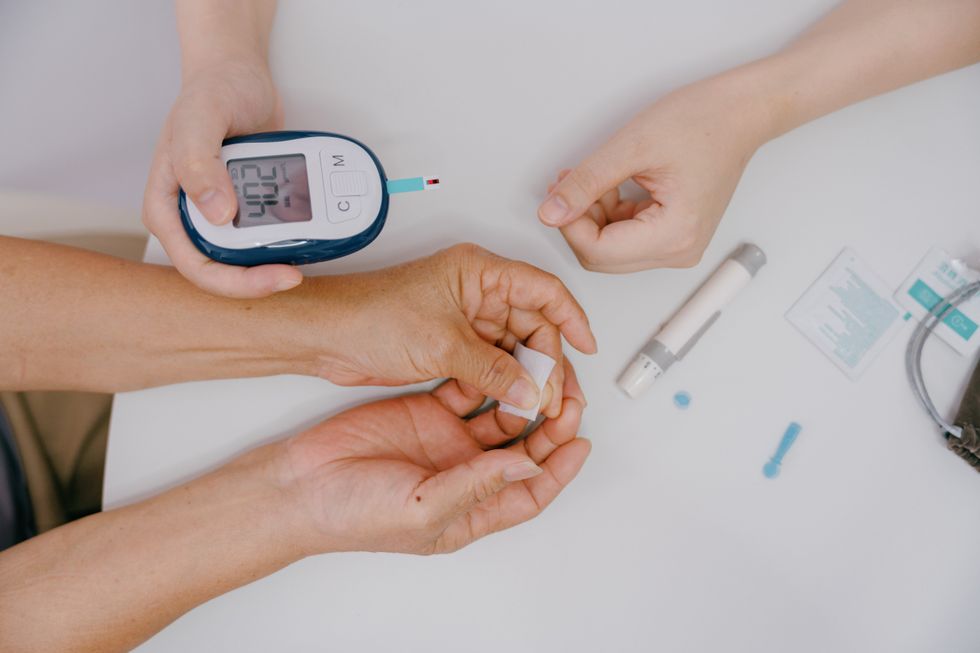
The study identified 12 preservatives specifically tied to higher diabetes risk
|GETTY
"More broadly, these new data add to others in favour of a reassessment of the regulations governing the general use of food additives by the food industry in order to improve consumer protection," added Anaïs Hasenböhler, a doctoral student at EREN who conducted these studies.
Touvier's advice is to choose fresh, minimally processed foods whenever possible and cut back on unnecessary additives.
The European Research Council, National Cancer Institute and French Ministry of Health funded the research.
Our Standards: The GB News Editorial Charter