









Taking probiotic supplements alongside a diet abundant in vegetables may offer strong protection against low-risk prostate cancer, new findings have suggested.
A study by the University of Bedfordshire found the two dietary components appear to significantly improve blood test results and the size of cancers in trial participants.
The research involved 212 men with low-risk prostate cancer, otherwise described as a slow-growing tumour with low PSA levels.
These cancer cells are less aggressive and are less likely to spread quickly, making them easier to manage with active surveillance.
TRENDING
Stories
Videos
Your Say
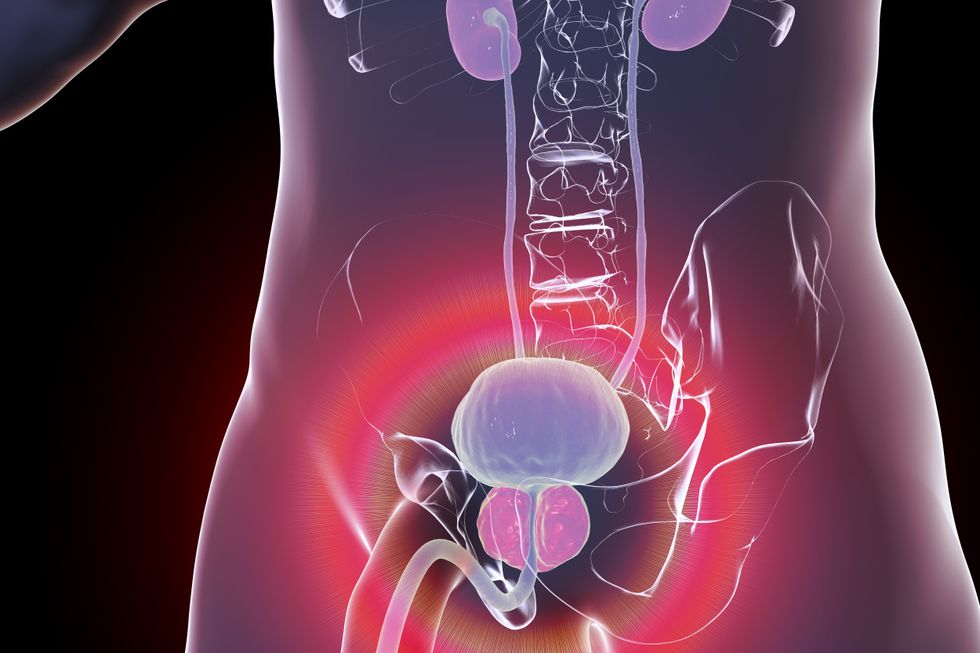
Patients with low-risk prostate cancer have slow-growing tumours
|GETTY
Participants took a specially made supplement containing prebiotics, made from fibre-rich foods such as broccoli, turmeric, pomegranate, green tea, ginger and cranberry.
In addition, half were asked to take a specially-made probiotic supplement while the remainder were administered a placebo.
The results, published in European Urology Oncology, found the supplement significantly impacted PSA levels after four months.
Participants taking the food supplement alongside a probiotic saw their PSA levels fall by 44.6 per cent, while those who only took the food supplement had a smaller reduction of 13.1 per cent.
When looking at disease progression using MRI scans, 82 per cent of the supplement-plus-placebo group had stable disease, while 18 per cent saw their condition worsen.
In the supplement-plus-probiotic group, 85 per cent had stable disease. A further 6.7 per cent of the group showed signs of regression, and 7.8 per cent experienced disease progression.
Lead author of the study, Professor Robert Thomas, said: “This study shows, for the first time, that improving the balance of bacteria in the gut can slow prostate cancer activity while also improving important aspects of men’s health such as urinary symptoms, inflammation and physical strength.
“What is particularly reassuring is that the changes we saw in PSA were supported by changes on MRI scans, which is very unusual and unique in nutrition research.”
Prostate-specific antigens (PSA) refer to a protein made by the prostate gland, which helps make semen more liquid. Levels usually increase with prostate cancer because malignant cells produce more of the protein, causing it to leak into the blood.
Senior lecturer in exercise physiology, Jeffrey Aldous, added: “This research helps us understand how targeted dietary strategies may influence the gut microbiome in ways that appear to benefit both cancer-related markers and overall wellbeing.
LATEST DEVELOPMENTS
“Improvements in strength, inflammation and daily symptoms are particularly important for quality of life, and I hope our findings can support and improve the lives of those living with prostate cancer.”
Commenting on the findings, the head of research impact and engagement at Prostate Cancer UK, Dr Hayley Luxton, noted: “This study is encouraging and adds to growing research into how diet and gut health can affect prostate cancer progression.
“It suggests that healthier diets could lead to better outcomes for some men, all while improving their overall well-being.
“At Prostate Cancer UK, we know how important it is to find ways to make treatments both kinder and more effective for those who need them.
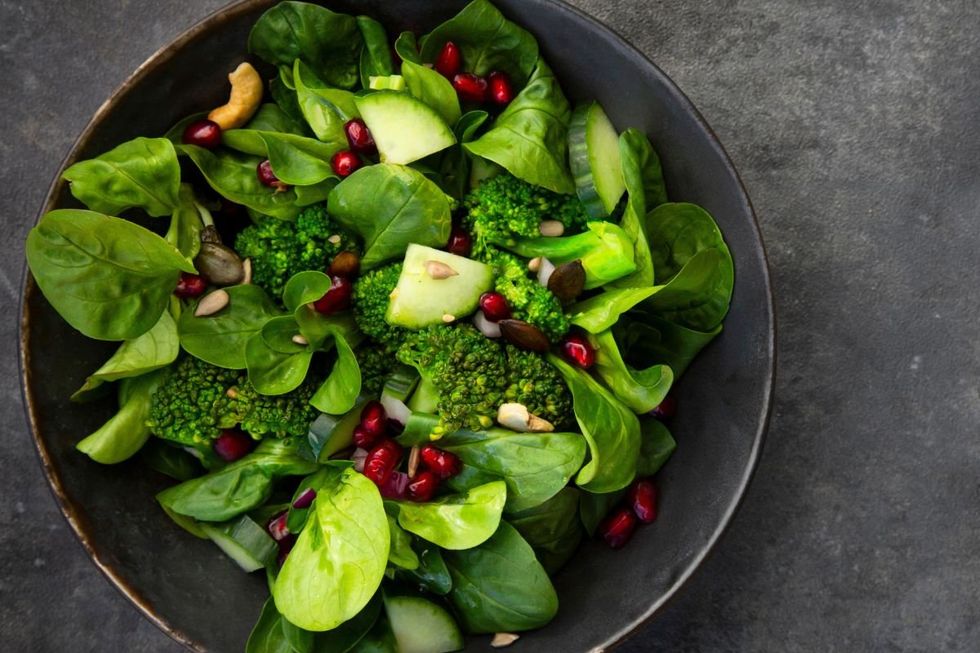
Probiotics may slow tumour growth by reducing inflammation
|GETTY
“While more research is needed to say exactly what role probiotics and supplements can play, having a balanced, healthy diet remains a good idea.”
Although research into the prospective role of probiotics supplements against cancer is still in its infancy, scientists have formed hypotheses about the mechanisms through which they may act.
It is believed they may help prevent the progression of prostate tumours primarily by reducing inflammation and strengthening the gut barrier. In essence, this may in turn inhibit cancer-promoting substances.
Our Standards: The GB News Editorial Charter