










Staying sharp well into your 80s and 90s might come down to something remarkable happening inside the brain, new findings suggest.
A study published in Nature has found that people known as "SuperAgers" – describing elderly individuals who maintain razor-sharp minds – generate double the number of young neurons compared to cognitively healthy adults their age.
They even produce 2.5 times as many as those living with Alzheimer's disease.
"This shows the ageing brain has the capacity to regenerate – that's huge," said Dr Tamar Gefen, study co-author and associate professor at Northwestern University's Mesulam Institute for Cognitive Neurology and Alzheimer's Disease.
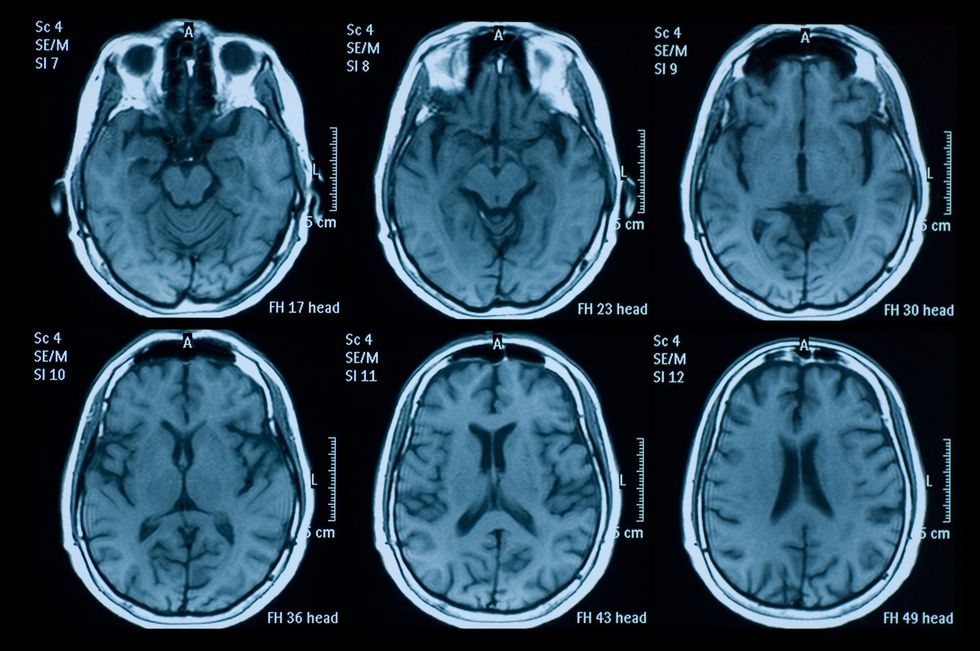
'The brain's capacity to regenerate is huge'
|GETTY
The research team has been studying men and women with exceptional memories for 25 years.
They note that what makes something SuperAger is not simply about being clever – these individuals actually have similar IQ levels to their peers who age normally.
To qualify, a person must be over 80 and pass rigorous cognitive testing that pushes their memory recall abilities to the limit.
"SuperAgers are required to have outstanding episodic memory – the ability to recall everyday events and past personal experiences," explained neurology professor at the University of Chicago who helped develop the SuperAger programme at Northwestern, Emily Rogalski.
These remarkable individuals tend to share certain characteristics. They're generally positive people who challenge their brains daily through reading or learning new things.
Many stay physically active and keep working into their 80s, and are also social individuals who love being surrounded by family and friends, often volunteering in their communities.
From a biological standpoint, the study revealed that SuperAger brains have something special going on in the hippocampus – the brain's memory centre.
LATEST DEVELOPMENTS
Think of it like a young sapling planted in incredibly rich soil. These brains contain more robust support systems that nurture youthful neurons in ways researchers hadn't previously understood.
Two types of cells turned out to be crucial: astrocytes and CA1 neurons.
The CA1 neurons help consolidate and retrieve memories, while astrocytes regulate blood flow and encourage the formation of synapses – those vital junctions where nerve signals pass between neurons.
"In SuperAgers, astrocytes and CA1 neurons are supporting the hippocampus in ways that we didn't understand before, by boosting synapse signalling between neurons," Dr Gefen said.
But not all SuperAgers live perfectly healthy lives; some have heart disease, diabetes, or don't exercise much at all.
Dr Richard Isaacson, an Alzheimer's prevention researcher not involved in the study, says lifestyle changes can make a real difference.

Lifestyle changes, including diet and optimising sleep can grow brain areas
|GETTY
"Our studies have found lifestyle changes, including diet, exercise, reducing stress and optimising sleep, along with managing vascular risk factors with certain prescribed medications, can also grow brain areas, including the hippocampus, and reduce telltale signs of Alzheimer's such as tau tangles and amyloid plaques," he said.
He added that medical schools never taught him brain cells could grow, but MRI scans now show compelling evidence in people who consistently make brain-healthy choices.
Our Standards: The GB News Editorial Charter