









Scientists have issued a grave warning after toxic chemicals from smartphones were found in the brains of dolphins.
The research, published in Environmental Science & Technology, detected significant concentrations of liquid crystal in the brains of humpback dolphins and finless porpoises.
Traces of synthetic liquid crystal monomers (LCMs) were found in the blubber, muscles and brains of the animals.
Experts believe the toxic chemicals entered the mammals’ bloodstreams through eating fish that had ingested the pollutants, potentially leading to cancers.
TRENDING
Stories
Videos
Your Say
Professor Yuhe He, a researcher at City University of Hong Kong, said: "Our research reveals that LCMs from everyday electronics are not just pollution, they’re accumulating in the brains of endangered dolphins and porpoises.
"This is a wake-up call: the chemicals powering our devices are now infiltrating marine life, and we must act now on e-waste to protect ocean health and, ultimately, ourselves."
While most LCMs have been phased out in new home electronics over the past decade, experts warned there is "still an enormous amount of LCM tech already in circulation and, more critically, in landfills and informal e-waste dumps around the world."
As these leach into waterways, they cause an “emerging legacy pollution issue”.
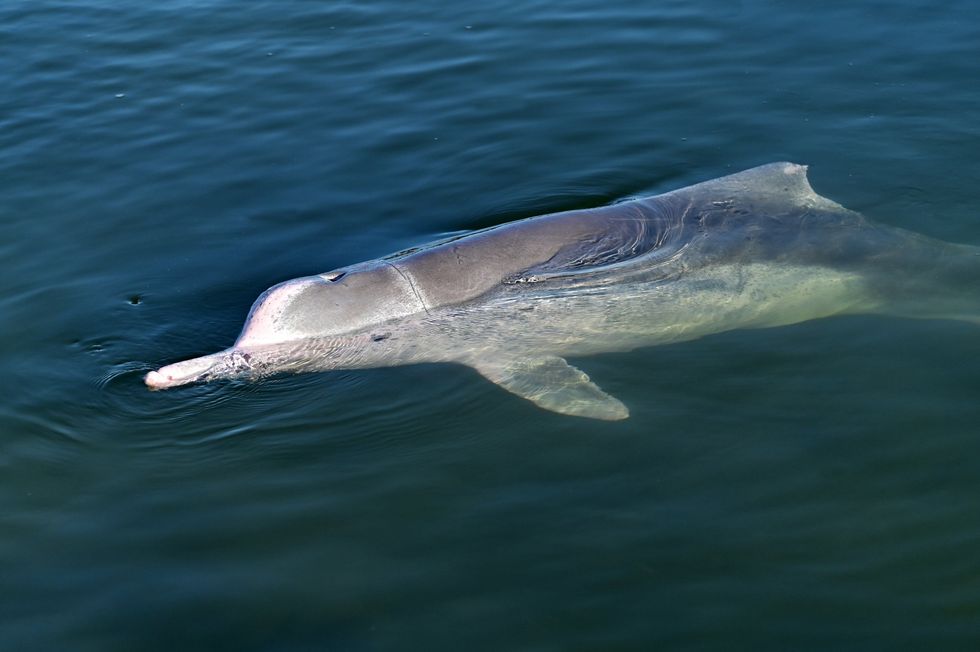
Humpback dolphins have been impacted by the pollution
|GETTY
Campaigners have long warned the mammals live in a "toxic soup" of chemicals that last forever in the oceans and accumulate in animals as they move up the food chain.
Pollution lead for Whale and Dolphin Conservation Sonja Eisfeld Pierantonio said: "This is a deeply concerning finding and suggests we may be witnessing the emergence of yet another persistent, bio-accumulative pollutant entering marine food webs.”
"Whales and dolphins play a vital role in helping to keep the ocean healthy, providing nutrients and circulating them on their migration journeys.
"The planet needs a healthy ocean and so we need more whales and dolphins, not less."
LATEST DEVELOPMENTS
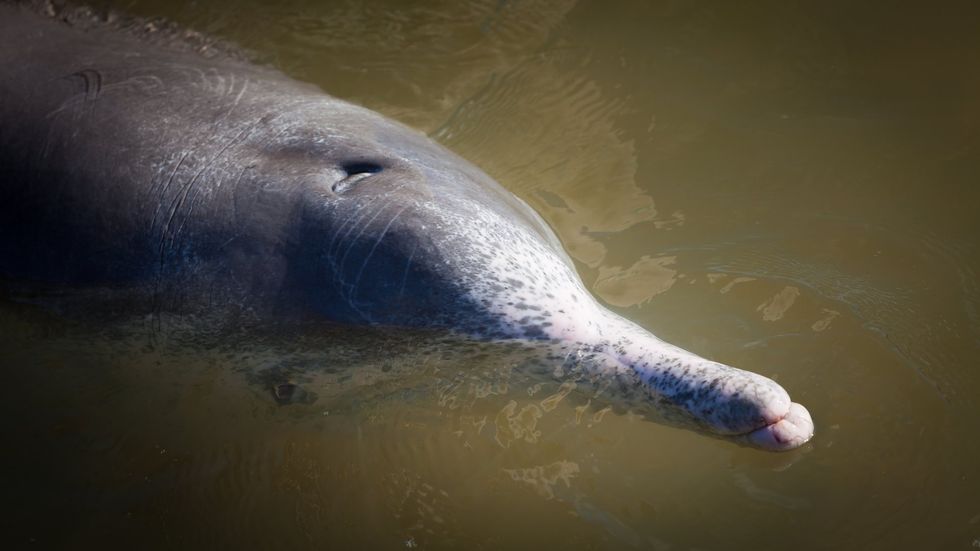
The chemicals could cause still births
|GETTY
Ms Pierantonio continued: "We also need governments to adopt stricter regulations and better safety assessments and to put proper checks in place to stop these killer chemicals getting into the sea."
Whilst the highest concentrations of contaminants appeared in blubber, as expected given its fatty composition, the discovery of LCMs in brain tissue proved particularly troubling to the research team.
This finding demonstrates that these industrial pollutants can penetrate the blood-brain barrier, raising serious concerns about potential neurotoxic effects on the animals.
"The presence of LCMs in their brains is a major red flag," said Professor He.
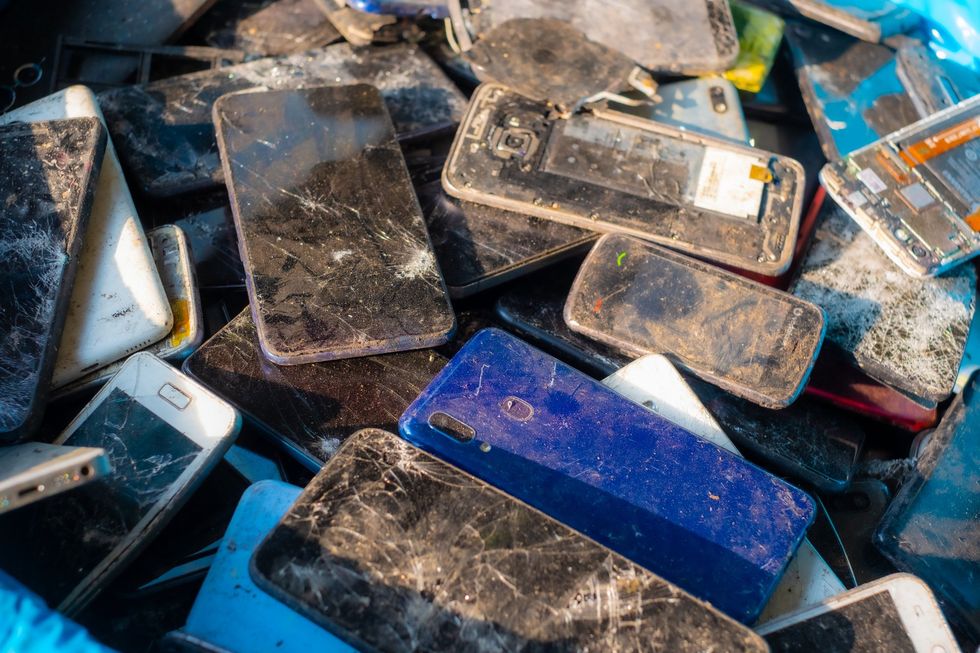
LCMs can be found in old smartphones
|GETTY
Professor He continued: "If these chemicals can cross the blood-brain barrier in dolphins, we must be concerned about the potential for similar effects in humans who are exposed through contaminated seafood or even drinking water."
Laboratory experiments on cultured dolphin cells revealed that several common LCMs, including the four most frequently detected compounds, altered gene activity connected to DNA repair mechanisms and cell division processes.
The study's authors are urging policymakers to implement stricter regulations governing persistent chemicals in consumer electronics before products reach the market, alongside improved e-waste recycling practices.
The Hong Kong study was published in the journal ACS Environmental Science & Technology.