










Eating mostly oatmeal for just 48 hours led to a 10 per cent drop in harmful LDL cholesterol, according to a clinical trial from the University of Bonn.
Published in Nature, the study focused on people with metabolic syndrome – a combination of conditions including excess weight, high blood pressure, raised blood sugar, and abnormal blood fat levels.
"The level of particularly harmful LDL cholesterol fell by 10 per cent for them – that is a substantial reduction, although not entirely comparable to the effect of modern medications," said junior professor at the University of Bonn's Institute of Nutritional and Food Science, Marie-Christine Simon.
The trial involved 32 women and men who stuck to a strict oat-based regimen for two days. They ate boiled oatmeal three times a day – 300 grams in total – with only small amounts of fruit or vegetables allowed on the side.
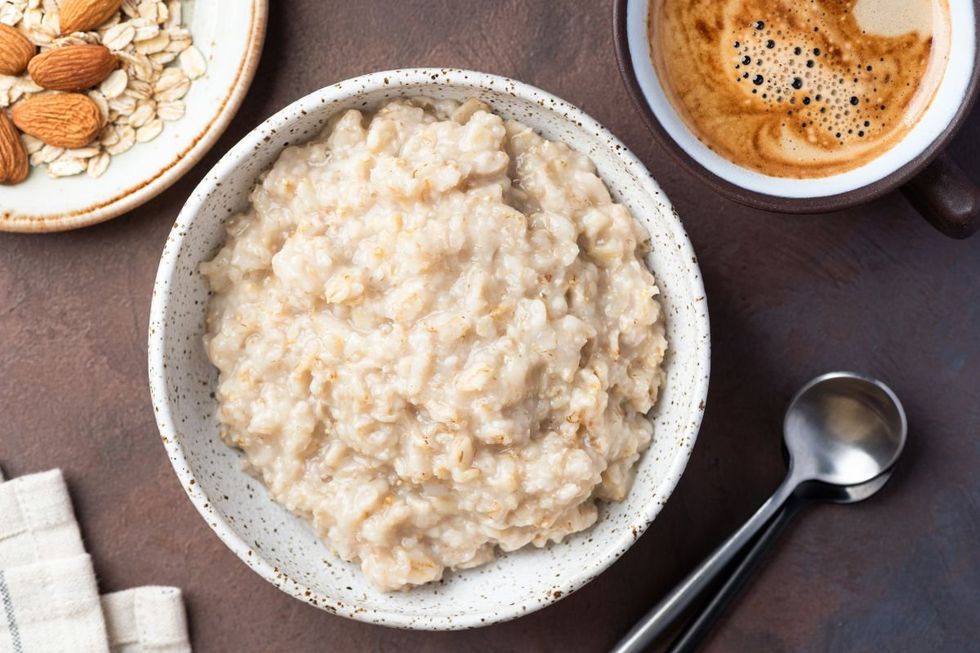
Participants ate boiled oatmeal three times a day with small amounts of fruit or vegetables on the side
|GETTY
Crucially, they also slashed their usual calorie intake by roughly half. A control group cut calories too, but skipped the oats entirely. Both groups saw some benefits from eating less, but the oat eaters came out on top.
Beyond the cholesterol drop, those on the oat plan shed an average of two kilograms and experienced a slight reduction in blood pressure.
It's worth noting that high LDL cholesterol can lead to dangerous plaque build-up in arteries, raising the risk of heart attacks and strokes.
To identify what's behind these impressive results, the researchers dug into the gut microbiome for answers.
"We were able to identify that the consumption of oatmeal increased the number of certain bacteria in the gut," explained the study's lead author, Linda Klümpen.
It turns out these gut bacteria are busy breaking down oats and producing helpful compounds in the process.
"For instance, we were able to show that intestinal bacteria produce phenolic compounds by breaking down the oats," says Klümpen. "It has already been shown in animal studies that one of them, ferulic acid, has a positive effect on cholesterol metabolism."
LATEST DEVELOPMENTS
There's another bonus too – certain microbes help clear out the amino acid histidine, which can otherwise be converted into a substance linked to insulin resistance.
The good news is that these benefits didn't disappear overnight, as improvements were still visible six weeks after the two-day oat blitz.
"A short-term oat-based diet at regular intervals could be a well-tolerated way to keep the cholesterol level within the normal range and prevent diabetes," said Simon.

High LDL cholesterol can lead to dangerous plaque build-up in the arteries
| GETTYBut intensity matters. When participants tried a gentler approach, eating 80 grams of oatmeal daily for six weeks without calorie restrictions, the results were far less impressive.
The researchers now want to explore whether repeating this intensive oat regime every six weeks could offer lasting protection against diabetes. It's a noteworthy revival of a treatment approach that German doctors were using over a century ago.
Our Standards: The GB News Editorial Charter