








A 64-year-old Norwegian man appears to have been cured of HIV following a stem cell transplant from his sibling.
The patient, based in Oslo, has remained clear of the infection for five years since ceasing antiretroviral treatment, according to findings published in Nature Microbiology.
The case potentially represents only the tenth documented instance of an individual being cured of HIV worldwide.
The man's brother was discovered to possess the CCR5Δ32/Δ32 mutation, a genetic anomaly that eliminates the cellular doorways through which HIV typically gains entry.
TRENDING
Stories
Videos
Your Say
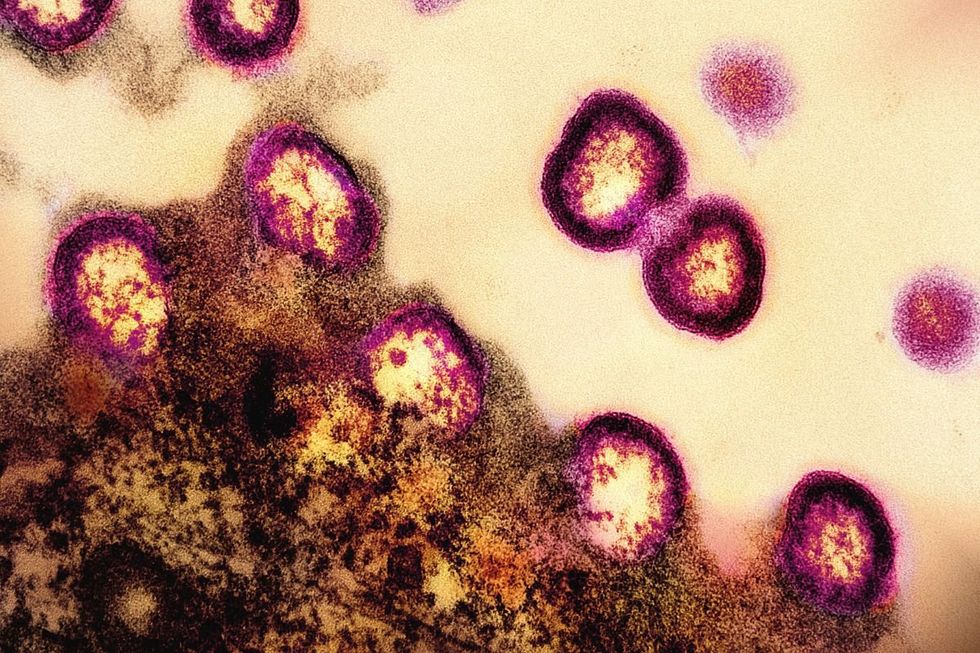
The case potentially represents only the tenth documented instance of an individual being cured of HIV
|GETTY
HIV infections are notoriously difficult to eradicate because the virus conceals itself within cellular reservoirs throughout the body's tissues, even when medication successfully suppresses it.
This hidden presence explains why the infection typically resurfaces once patients discontinue their antiretroviral drugs.
However, scientific research shows that lasting remission might be achievable through stem cell transplants from donors who carry the specific CCR5Δ32/Δ32 mutation; a genetic variation strips away the receptor proteins that HIV exploits to infiltrate and infect cells.
LATEST DEVELOPMENTS
The Oslo patient, first diagnosed with HIV in 2006 at the age of 44, underwent the transplant procedure to address bone marrow cancer rather than his viral infection.
His brother's donated cells progressively supplanted the patient's own immune cells across his blood, bone marrow, and intestinal tissues.
Tissue specimens collected from both blood and gut two years following the procedure revealed no trace of HIV genetic material integrated into the patient's DNA.
Researchers conducted an exhaustive examination of more than 65 million immune cells from the individual, finding no virus capable of reproduction and no detectable immune responses specifically targeting HIV.
"Replication-competent virus and HIV-specific T cell responses were absent, and HIV antibody responses showed a gradual decline," the scientists reported in their published findings.
The patient's HIV antibodies steadily diminished over the four years after transplantation.
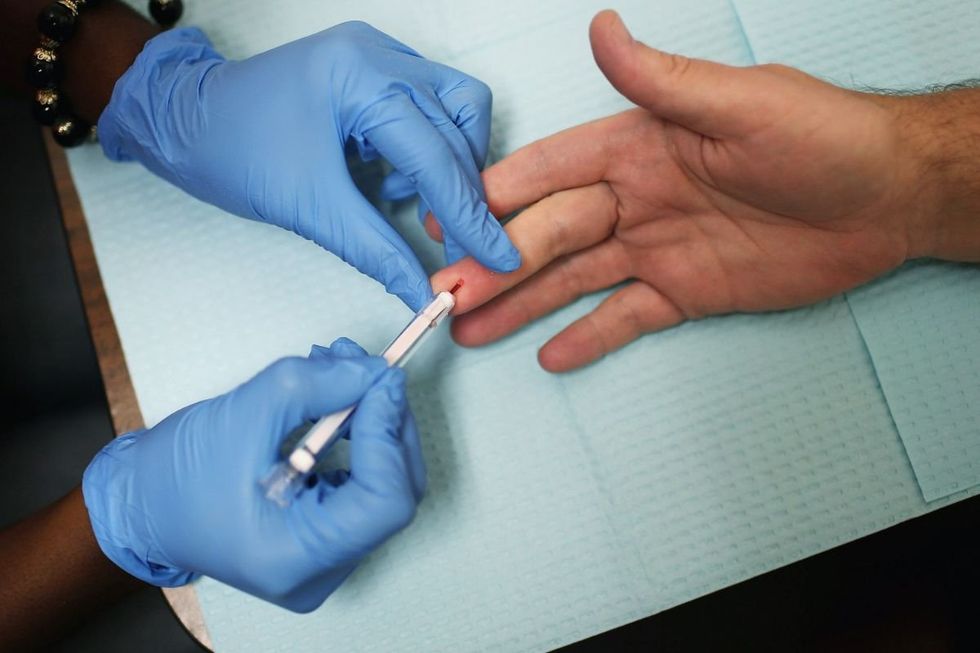
The patient's HIV antibodies steadily diminished over the four years after transplantation
|GETTY
The researchers noted that replicating such an outcome remains highly improbable for other patients.
"A sibling has a 25 per cent probability of being a match for a transplant, and the frequency of CCR5Δ32/Δ32 is around one per cent" in northern European populations, the study's co-author Anders Eivind Myhre from Oslo University explained.
"He feels like he has won the lottery twice... He was cured of his bone marrow disease, which could be fatal, and he's also now cured of HIV, most likely," Marius Trøseid, another author of the study, told Live Science.
While stem cell transplantation remains impractical for the majority of HIV patients, investigating such cases may help scientists identify markers that predict sustained remission.
Our Standards: The GB News Editorial Charter