










Individuals who maintained elevated vitamin D levels during their late thirties showed markedly reduced accumulations of tau protein in their brains some 16 years afterwards, according to fresh research from the University of Galway.
The study, which appeared in Neurology Open Access on 1 April, examined the relationship between the so-called sunshine vitamin and a well-established biological marker for Alzheimer's disease.
Tau protein deposits in the brain are closely associated with dementia, making these findings particularly noteworthy for those concerned about cognitive decline in later life.
The research suggests that maintaining adequate vitamin D during middle age could potentially influence long-term brain health.
TRENDING
Stories
Videos
Your Say
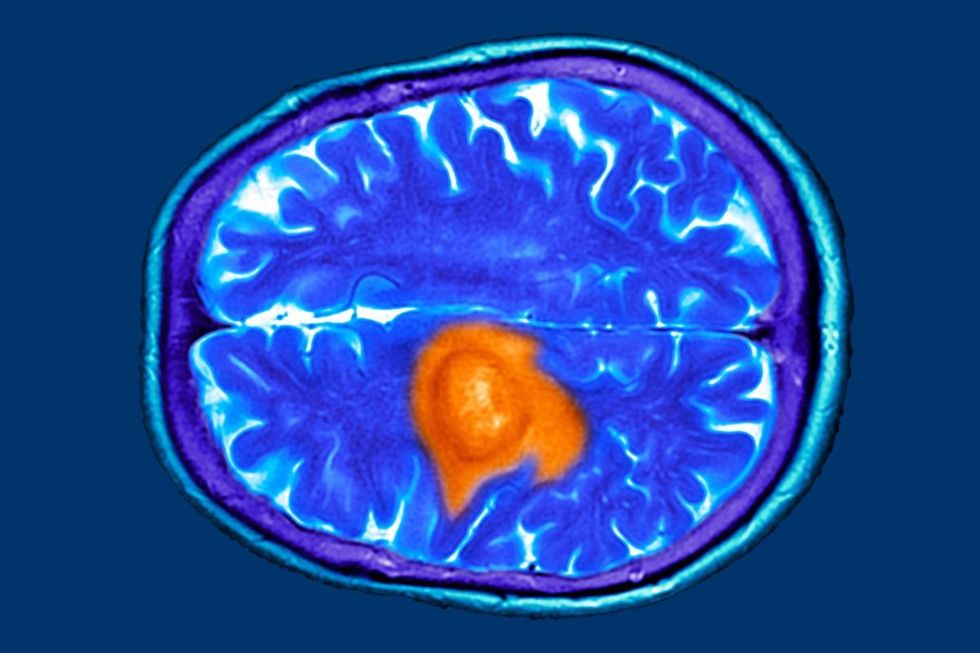
Tau protein deposits in the brain are closely associated with dementia
|GETTY
The investigation tracked 793 adults who were free from dementia at the outset, with participants averaging 39 years of age when researchers first assessed their blood vitamin D concentrations.
Following this initial measurement, the subjects underwent PET brain imaging approximately 16 years later to evaluate levels of both tau and amyloid beta proteins.
Researchers classified vitamin D readings above 30 nanograms per millilitre as high, with anything below this threshold deemed low.
Roughly a third of those studied—34 per cent—fell into the low vitamin D category, a proportion that Dr Mulligan noted aligns with global figures.
LATEST DEVELOPMENTS
Notably, merely five per cent of participants reported taking vitamin D supplements.
Dr Martin Mulligan, the study's lead author, offered insight into the possible biological mechanisms at play.
"Previous research has suggested that Vitamin D may work by reducing inflammation, or by improving antioxidant defences and cell signalling, which may keep the tau protein from accumulating," he told BBC Science Focus.
The Irish researcher emphasised the particular importance of this life stage for intervention.
"Mid-life is a time where risk factor modification can have a greater impact," Mulligan observed.
He added that elevated vitamin D during early middle age might offer some degree of protection against developing tau deposits, whilst low levels could represent a modifiable risk factor.
Crucially, the investigation was observational in nature, meaning it cannot establish a direct causal relationship between vitamin D and reduced tau accumulation.

Previous research has suggested that Vitamin D may work by reducing inflammation
|GETTY
The researchers acknowledged several constraints, including that vitamin D was measured only once rather than monitored over time, and that participants were predominantly white, which limits how widely the conclusions might apply.
Dr Mulligan urged caution regarding any immediate changes to clinical practice. "We cannot formally advise taking supplements to prevent dementia based solely on these findings, as this hypothesis requires further testing in clinical trials," he stated.
The findings will require validation in additional cohorts before guidance can be updated.
Our Standards: The GB News Editorial Charter