




Leading autism researchers have issued a stark warning that the condition is being "wildly overdiagnosed" in children, with anxious youngsters wrongly receiving a lifelong label.
A study published in JAMA Pediatrics revealed that close to half of children given autism diagnoses in community settings failed to meet the clinical criteria when subsequently assessed by specialist research teams.
The findings come from Dr Lester Liao, a paediatrician at Montreal Children's Hospital and assistant professor at McGill University, alongside Professor Eric Fombonne, who directs autism research at Oregon Health & Science University in Portland.
Both experts argue that current diagnostic practices carry "harmful implications" for children and risk undermining support for those with the most profound needs.
TRENDING
Stories
Videos
Your Say
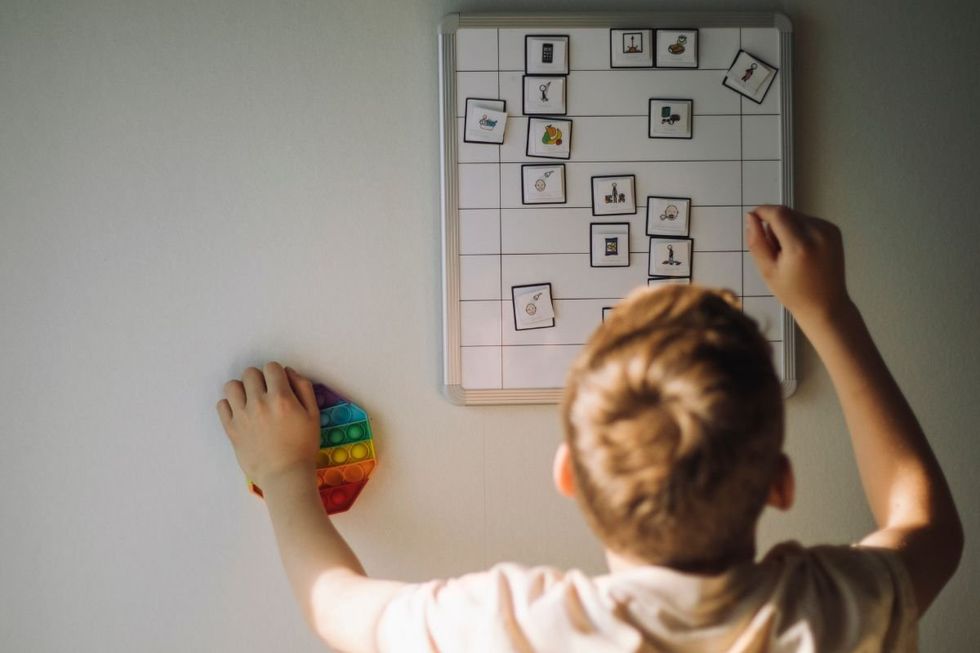
Certain behaviours like sensory aversion are frequently misread as indicators of autism
|GETTY
The researchers contend that excessive diagnoses lead to a dilution of finite resources available for assessment and therapeutic intervention.
"Overdiagnosis diverts resources from children with the most significant challenges," they wrote.
"Importantly, it is often those who are better resourced, whether in terms of cultural capital or functional capabilities (eg, the capacity to speak and self-advocate), who can navigate the medical system to ensure milder diagnoses receive supports."
This leaves the most vulnerable families struggling without adequate assistance, according to the study.
"This leaves the most vulnerable — those who cannot self-advocate and exhausted families caring for their children full-time — without the support they need," the researchers added.
The expansion of autism as a diagnostic category has meant that those facing the severest challenges are increasingly overlooked, they argue.
The study raises concerns about the autism diagnostic observation schedule, a 40-60 minute assessment involving play or conversation, which clinicians may interpret incorrectly.
"For example, poor eye contact may be due to inattention or social anxiety rather than to limited social reciprocity," the researchers noted.
Behaviours such as toe walking or sensory aversion to clothing are also frequently misread as indicators of autism, according to the findings.
LATEST DEVELOPMENTS
The researchers additionally challenge the concept of "camouflaging", whereby individuals supposedly mask their autistic traits in social settings.
"Children with profound autism may not understand the norms in the first place, let alone adjust. Camouflaging involves a much milder form of autism, ie, an expansion of the autism concept," they wrote.
Notably, children who were misdiagnosed showed higher rates of other psychiatric disorders, suggesting clinical complexity contributes to diagnostic errors.
The researchers warn that labelling children as autistic risks creating a "self-fulfilling prophecy" that restricts their developmental potential.
"A child who is socially withdrawn is permitted to isolate, minimising habituation to social circumstances and decreasing social opportunities, thereby reducing social practice," they explained.
There is a danger of attributing every difficulty a child experiences to autism rather than circumstance, thereby reinforcing a fixed perception of the youngster.

There exists a danger of attributing every difficulty a child experiences to autism
|GETTY
"This does not allow a child to develop their full capacity. There's a significant difference between a child who has difficulty doing something and a child who utterly cannot. A spectrum does not negate this," the researchers stated.
The warning arrives as figures show more than 166,000 autistic pupils currently attend schools across England, representing an eight per cent rise since 2020.
Our Standards: The GB News Editorial Charter