










Lying in bed, phone in hand, knowing full well that blue light is not doing us any favours, is a daily dilemma for countless people in the UK. And research suggests the dangers may be legitimate.
A growing body of research now links nighttime light exposure to a worrying range of serious health conditions, extending far beyond poor sleep.
Scientists have connected artificial light after dark to heart disease, diabetes, obesity, mental health problems, and even cancer, with exposure to bright lights in the evening hours could raise your risk of cardiovascular problems by as much as 50 per cent.
TRENDING
Stories
Videos
Your Say
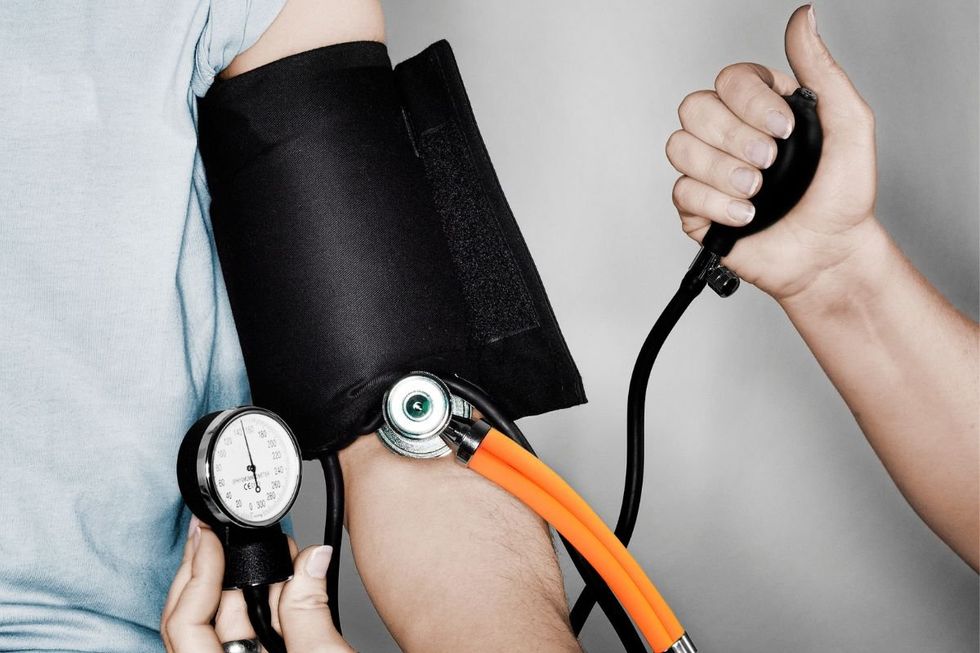
Exposure to nighttime light is linked to ahost of health complications
|GETTY
What happens to the body when exposed to light at night?
"Light is the most important time cue for the body clock," explained Frank A.J.L. Scheer, PhD, professor of medicine at Harvard Medical School and Brigham and Women's Hospital in Boston.
Our internal clocks keep us synchronised with the 24-hour day, but light exposure can shift melatonin levels, spike cortisol and even alter reproductive hormones.
"One of the things that we've started to understand more is that our circadian rhythms are closely linked to our overall health," said Jennifer Martin, PhD, sleep researcher at UCLA. "Our digestion has a circadian rhythm. Even our cells dividing have a circadian rhythm."
Naturally, throwing off this internal timing system will trigger a cascade of effects – disrupting hormonal balance, organ function, and inflammation levels throughout the body, which carries severe consequences for the heart.
A major study published in JAMA Network Open tracked nearly 89,000 adults over nine and a half years using wrist sensors to measure their personal light exposure at night.
LATEST DEVELOPMENTS
Those exposed to the brightest nighttime conditions showed dramatically higher risks of coronary artery disease, heart attacks, heart failure, atrial fibrillation, and stroke – even after accounting for factors like age, smoking, and exercise habits.
Metabolically, research shows people exposed to light at night are roughly 19 per cent more likely to be overweight or obese, about 86 per cent more likely to have high blood pressure, and around 21 per cent more likely to develop diabetes.
A 2025 analysis found that every 10-lux increase in nighttime brightness was linked to a 30 per cent greater risk of type 2 diabetes.
The mental health toll of nighttime light exposure was highlighted in a study published in Nature Mental Health that examined over 86,000 older adults.
Researchers found those with greater exposure faced significantly higher risks of major depression, generalised anxiety, PTSD, psychosis, bipolar disorder, and self-harm behaviours.
Some researchers believe nighttime light may increase inflammation, potentially leading to more brain plaques associated with Alzheimer's disease. Then there's the cancer connection.
"Prostate cancer in men is linked to light at night, and breast cancer of women, and then colorectal cancer," said Martin Moore-Ede, MD, PhD, director of the Circadian Light Research Center in Massachusetts.
He points to a particular culprit: "One of the big problems that's occurred in the last 10 years is we've replaced all our lights with blue-rich LEDs."
The good news is there are simple steps to protect yourself.
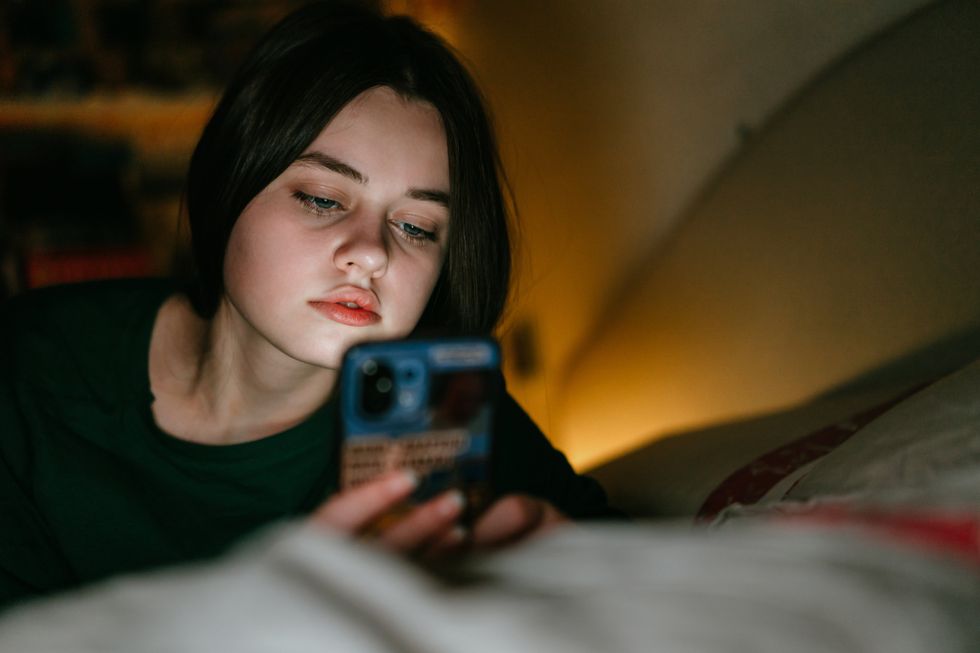
Bright nighttime conditions carry higher risks of coronary artery disease, heart attacks and heart failure
|GETTY
"From the time you go to bed at night until the time that you get up in the morning, that's a really important time to maintain darkness as much as you can," said Martin.
She recommends avoiding phones and televisions for at least 15 minutes before sleep, though hours earlier is better.
Your bedroom should become a sanctuary of darkness. Blackout curtains are worth considering, and if you need to get up during the night, keep lighting minimal.
"Having a light that turns on near the floor if you have to get up a lot at night is a great idea," Martin said. "Turning on all the lights in your kitchen when you get up for a glass of water is not."
Our Standards: The GB News Editorial Charter