










More than 356,521 households across the UK have had their benefit payments terminated after failing to respond to official notices instructing them to move to universal credit, according to new figures released by the Department for Work and Pensions (DWP).
Those affected were previously claiming so-called legacy benefits and are now losing an average of more than £1,000 each month after their payments were stopped.
The DWP's has been writing to households still receiving older forms of support, including tax credits, income support, jobseeker's allowance, employment and support allowance and housing benefit.
Under the Government’s managed migration programme, claimants must apply for universal credit within a set deadline in order to continue receiving financial assistance.
With the final deadline for completing the transition set for the end of March 2026, welfare specialists have warned that time is running out for remaining claimants to protect their payments.
The managed migration process began in July 2022, when the department started issuing formal migration notices to households receiving legacy benefits.
To date, around 2.3 million households have received letters instructing them to switch to universal credit.
Of those contacted, 1.9 million have successfully completed the move, while approximately 10,000 cases remain in progress.
The Government has set a target of completing the full migration exercise by the end of next month, as part of its wider welfare reform agenda.

Households lost more than £1,000 a month after failing to switch to universal credit
| GETTYClaimants who fail to act within the required timeframe risk losing access to transitional protection, which is designed to ensure that households do not see an immediate drop in their overall benefit entitlement when they move through the official process.
However, transitional protection payments do not increase in line with inflation and remain frozen until standard universal credit rates catch up with the protected amount.
Recipients of a migration notice are typically given three months to submit their claim for universal credit.
If no response is received within 11 weeks, the department begins what it describes as an "enhanced support journey" aimed at prompting engagement.
This can involve further written reminders and, in some instances, home visits to help claimants complete the process.
LATEST DEVELOPMENTS
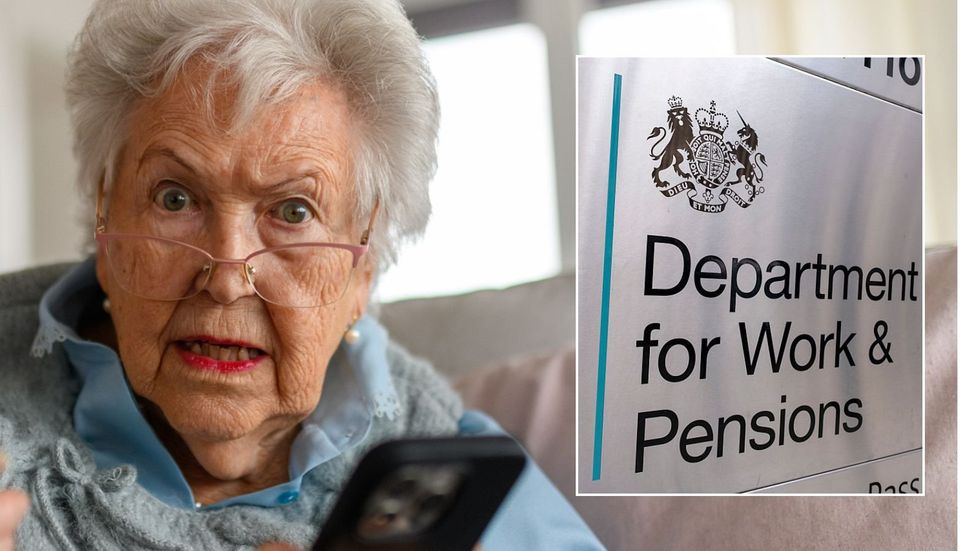
Recipients of a migration notice are typically given three months
| GETTYWelfare advisers have stressed responding promptly to the initial letter is critical in order to safeguard entitlements.
Claimants whose legacy benefits are terminated can still apply for universal credit at a later date, but they will not qualify for transitional protection and could therefore receive a lower overall payment.
Conor Lawlor, a benefits specialist at Turn2us, said: "If someone gets a managed migration letter now, they should make a claim for universal credit before the deadline in their letter to ensure they get transitional protection."
He added those requiring support should make use of the charity’s online adviser search tool to obtain guidance on completing their claim.

Claimants whose legacy benefits are terminated can still apply for universal credit
|GETTY
Research published this week by the department identified a number of reasons why claimants fail to respond to migration notices, including confusion about eligibility rules and mistaken assumptions about income limits.
Some individuals believed that earning too much or having savings above £16,000 would automatically disqualify them, although the savings cap is waived for 12 months for households undergoing managed migration.
A DWP spokesman said: "It is important people respond to the letter asking them to make the move to universal credit in order to continue receiving benefits."
They added support is available through a dedicated helpline, detailed guidance on gov.uk and free assistance through Citizens Advice’s help to claim service.
Our Standards: The GB News Editorial Charter