










Almost 4.6 million people in the UK live with a diabetes diagnosis, according to Diabetes UK and it's a condition that stays with you for life.
Problematically, many people don't even know they have it, putting them in grave danger of complications down the line.
"In the early stages of diabetes, people often don't have symptoms, so the American Diabetes Association recommends that every adult get screened for diabetes by age 35," explained endocrinologist with Keck Medicine of USC, Dr Alyssa Dominguez.
She added: "Early diabetes is often asymptomatic."
TRENDING
Stories
Videos
Your Say

Skin tags can signal insulin resistance
|GETTY
In some cases, however, doctors spot skin conditions like acanthosis nigricans and skin tags on their patients.
Those with a family history of diabetes, prediabetes, polycystic ovary syndrome, gestational diabetes, or a BMI in the overweight or obese range should get checked early and regularly.
The first sign to look out for is needing to use the toilet more often than normal.
"The frequency of urination is pretty subjective," Dr Dominguez explained. "I would say if somebody notices that they're urinating more than what is typical for them, that could be a sign of diabetes."
This is typically the result of the body trying to eliminate excess sugar in the blood through urine, which also causes excess thirst.
"Increased thirst is one of the most common first symptoms of diabetes that people notice," Dr Dominguez explained.
The third sign to watch for is dropping weight without trying, which also ranks among the most common things people notice when diabetes first develops, Dr Dominguez explained.
LATEST DEVELOPMENTS
When insulin isn't working properly, your body starts burning fat or muscle for energy instead, causing problematic, unintentional weight loss.
Then there are changes to your skin that can signal trouble.
"Skin tags can be a sign of insulin resistance," Dr Dominguez said.
"Additionally, another skin finding we can see is a phenomenon called acanthosis nigricans, which is darkened, velvety skin that can be seen on the back of the neck or in the armpit area. That can be a physical sign of insulin resistance or diabetes."
"We know that high blood sugar slows down wound healing," Dr Dominguez warned.
"However, that's something I typically see more in people who have more advanced forms of diabetes and who have had high blood sugar for a while."
If someone hasn't visited their GP in years, they might have elevated blood sugar that's simply gone unnoticed, leading to slower healing.
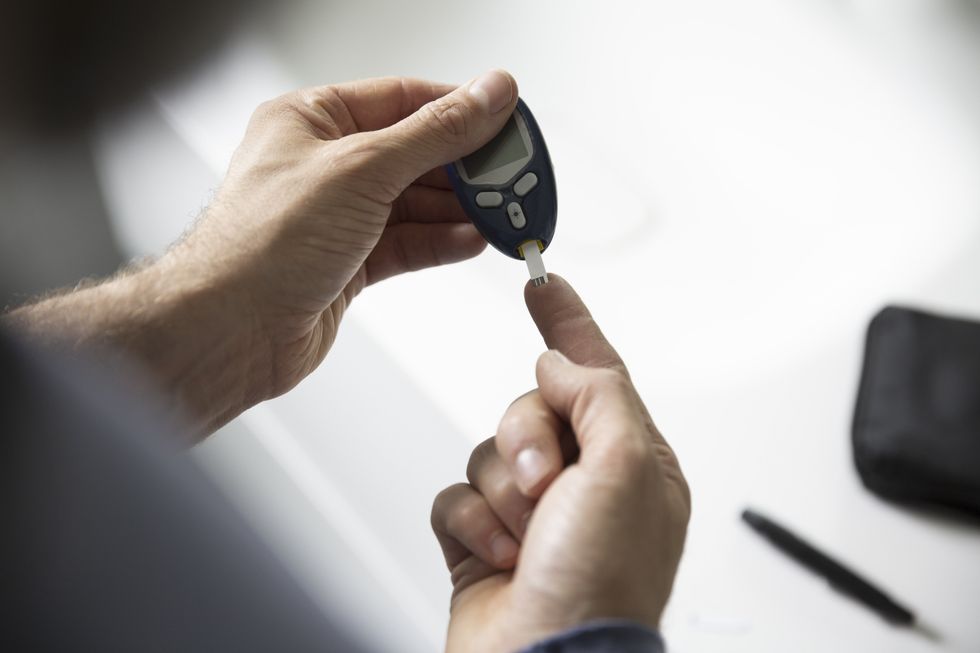
People often don't have symptoms in the early stages of diabetes
|GETTY
Getting tested is crucial, even before any symptoms show up.
Blood tests like the HbA1c or fasting glucose test are part of standard screenings your doctor can arrange.
"It's important to get tested before symptoms occur so you can get the appropriate treatment and don't experience major issues from your diabetes," Dr Dominguez advised.
Our Standards: The GB News Editorial Charter