








In dementia, the brain undergoes subtle changes like inflammation and emerging plaque tangles that inevitably change the way a person behaves.
Spotting these changes early and treating them accordingly makes a huge difference to the trajectory of the condition - so it's worth knowing what to look for.
Scientists have now warned tiny speech pauses, like saying “um” or searching for words, may offer an early glimpse into declining brain health.
Senior scientist at Baycrest’s Rotman Research Institute and senior author of the study, Dr Jed Meltzer, said: “The message is clear; speech timing is more than just a matter of style, it’s a sensitive indicator of brain health.

Executive function deteriorates gradually with age
|GETTY
“Natural speech analysis can reveal individual differences in executive function across the adult lifespan.”
In the latest study, participants were assessed by being shown imagery, which they had to describe in their own words.
Then, using artificial intelligence, scientists were able to detect subtle speech features, frequency of pauses and the use of filler words.
The markers consistently predicted how well participants performed on cognitive tests, regardless of the participant’s age, sex and education.
Executive function deteriorates with age and is often affected during the early stages of dementia, but cognitive tests struggle to detect these changes because they’re time-consuming.
When the tests are repeated, respondents often perform well because they've had practice.
LATEST DEVELOPMENTS
But scientists believe natural speech offers a better alternative because it offers insight into processing speed and overall cognitive function in real-life situations.
It has even been suggested that speech analysis could become central in identifying people whose cognitive decline is progressing faster.
Dr Meltzer noted: “This research sets the stage for exciting opportunities to develop tools that could help track cognitive changes in clinics and even at home.
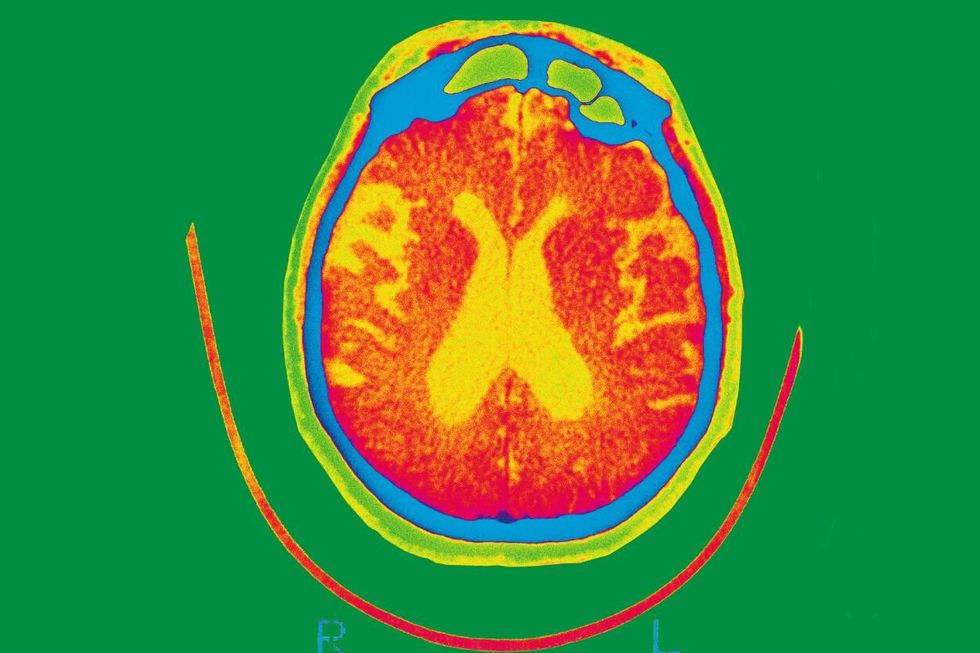
'Speech timing is a sensitive indicator of brain health'
|GETTY
“Early detection is critical for any cure or interventions, as dementia involves progressive degeneration of the brain that may be slowed.”
But more research would be necessary to help distinguish normal ageing from the earliest signs of ageing.
The findings line up with previous research in the Lancet showing that a person experiences changes in verbal acuity roughly seven years before they are diagnosed with dementia.
When scientists analysed data for their research, they discovered that certain speech changes could predict with 74 per cent accuracy who will get the disease.
Our Standards: The GB News Editorial Charter