










Fish oil has been hailed as one of the best supplements for brain health, but new findings have called this widely held belief into question.
The compound has previously been recognised for its ability to reduce inflammation, positioning it as a key player in the fight against cardiovascular disease.
And while scientific evidence has repeatedly suggested it is one of the most important components of a healthy diet, evidence for the benefits of taking supplements has been less conclusive.
The latest body of research looking at the neurovascular system has suggested that fish supplements could do more harm than good for certain people.

Fish oil has long been lauded for its anti-inflammatory effects
|GETTY
Lead author Onder Albayram, PhD, neuroscientist and associate professor at the Medical University of South Carolina and a member of the National Trauma Society Committee, said: “Fish oil supplements are everywhere, and people take them for a range of reasons, often without a clear understanding of their long-term effects.
“We still don’t know whether the brain has resilience or resistance to this supplement.”
LATEST DEVELOPMENTS
The findings, published in Cell Reports, suggest a specific chemical compound known as EPA could disrupt the brain’s healing process after an injury.
More specifically, it appeared to make the walls of the brain’s blood vessels less stable, presenting a challenge for blood vessels that need to repair themselves following an injury.
Fish oil disrupts repair signals put out by the brain after physical trauma, the researchers noted.
They also discovered a link between the supplement and a build-up of tau protein, which is linked to brain illnesses.
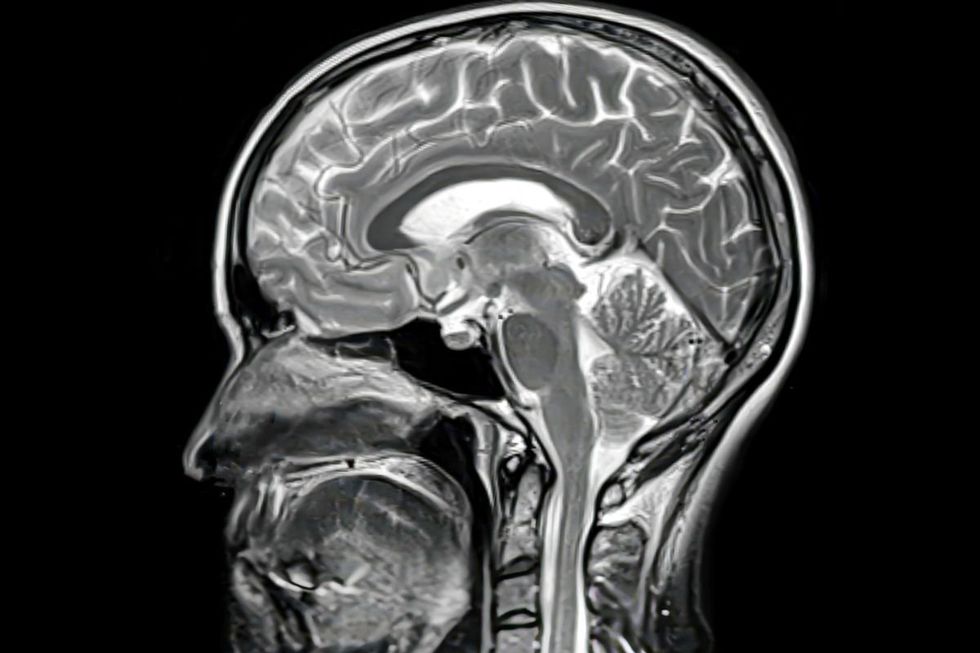
Fish oil may disrupt the repair process of the blood vessels in the brain
|GETTY
It's worth noting that the effects were observed in mice, meaning further research is needed to establish what the impact would be on people.
Furthermore, scientists focused on cases of “repeated mild head injuries”. Consequently, the findings may not apply to anyone who has not suffered an injury to the head.
“I am not saying fish oil is good or bad in some universal way,” Professor Albayram said. “What our data highlight is that biology is context-dependent.
“We need to understand how these supplements behave in the body over time, rather than assuming the same effect applies to everyone.”
Our Standards: The GB News Editorial Charter