










New research published yesterday in Neurology found that people who follow a high-quality plant-based diet have a lower chance of developing Alzheimer's disease and related dementias compared to those eating lower-quality plant foods.
The study shows it's not enough to simply swap meat for vegetables – the type of plant foods you're reaching for makes all the difference.
Whole grains, fruits, vegetables, nuts and legumes appear protective, while refined grains and added sugars are linked to increased risk.
The research team tracked nearly 93,000 people over an average of 11 years, with participants starting at an average age of 59.
TRENDING
Stories
Videos
Your Say

High-quality plant-based diets are linked to a lower chance of Alzheimer's disease and related dementias
|GETTY
The group was diverse, including African American, Japanese American, Latino, Native Hawaiian and white participants. Researchers examined three different approaches to plant-based eating.
The first looked at overall plant food consumption without considering quality.
The second focused on healthful choices like whole grains, fruits, vegetables, vegetable oils, nuts, legumes, tea and coffee.
The third category covered less healthy options, including refined grains, fruit juices, potatoes and added sugars. Importantly, the study didn't examine vegetarian or vegan diets specifically.
During the study period, more than 21,000 participants developed dementia.
LATEST DEVELOPMENTS
Those who ate the most plant foods overall had a 12 per cent lower risk of dementia compared to those who ate the least.
For people following the healthful plant-based approach, the top group saw a seven per cent reduction in risk.
But here's the flip side – those eating the most unhealthy plant foods actually faced a six per cent higher risk.
Perhaps most striking, when researchers looked at diet changes over a decade, people who shifted towards unhealthy plant foods had a 25 per cent higher dementia risk, while those moving away from poor choices saw an 11 per cent lower risk.
Dr Song-Yi Park, the study author from the University of Hawaii at Manoa's Cancer Centre, said: "We found that adopting a plant-based diet, even starting at an older age, and refraining from low-quality plant-based diets were associated with a lower risk of Alzheimer's and other dementias."
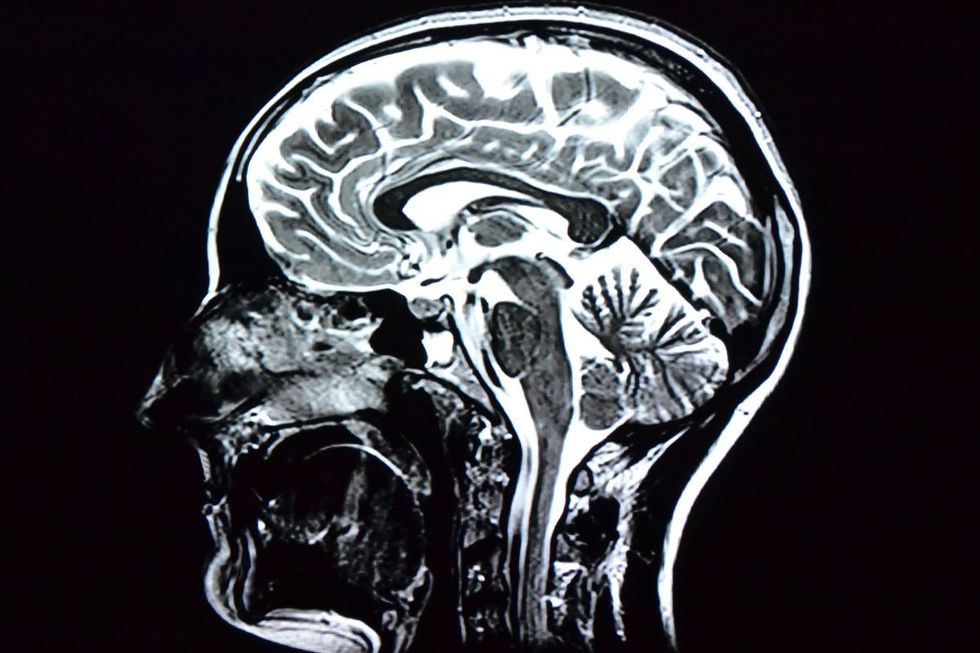
Those who ate the most plant foods overall had a 12 per cent lower risk of dementia
|GETTY
She added: "Our findings highlight that it is important not only to follow a plant-based diet, but also to ensure that the diet is of high quality."
It's worth noting that the research has limitations – participants self-reported their eating habits through questionnaires, and people don't always remember every detail of what they've eaten.
Our Standards: The GB News Editorial Charter